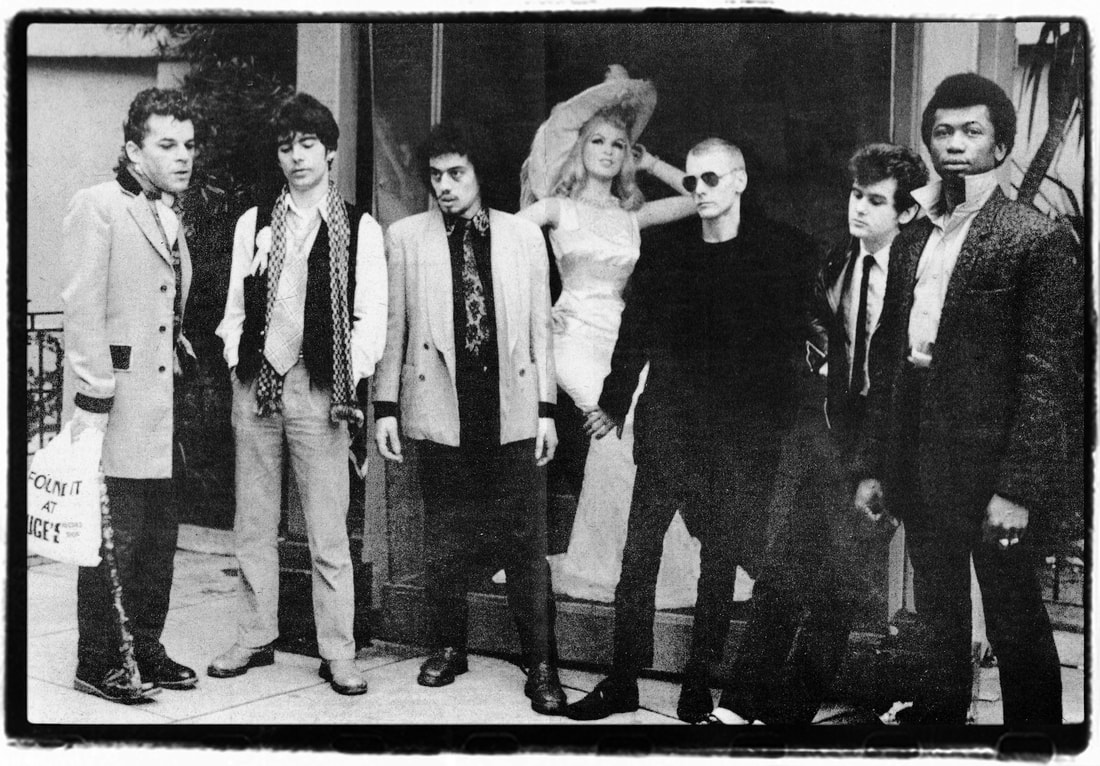
At a time when access to new music was notoriously difficult, Bruce’s Record Shop proved to be a game-changer. It became a crucial hub for bringing American rock and the underground scene into the UK, and its influence rippled far beyond a single city. Read more on edinburgh-trend.
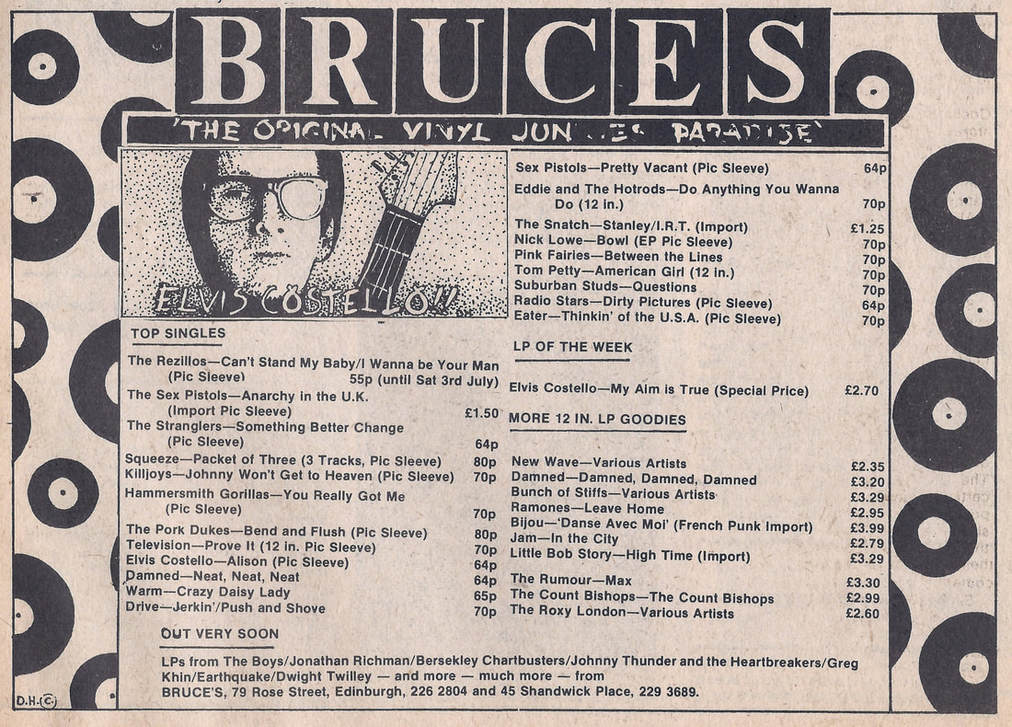
Early Vinyl and Big Ideas: The Birth of Bruce’s Record Shop
In the late 1960s, Bruce Findlay launched a chain of music stores that would eventually become the legendary Bruce’s Record Shop. The operation was firmly rooted in Edinburgh, but Findlay’s ambitions quickly outgrew the Scottish capital. While his older brother was already involved in the family business, it was Bruce who had the entrepreneurial flair and the drive to expand. Thanks to his sheer persistence, the shops started popping up in other towns, gradually building a highly recognisable brand. Their main selling point was a clear and niche specialism: importing American rock and championing underground music.
Out-of-the-box marketing played a massive role in putting Bruce’s Record Shop on the map. One of their most iconic masterstrokes was the bright red carrier bag emblazoned with the slogan “I found it at Bruce’s”. The idea was to spark curiosity. People saw the catchphrase on the street but didn’t immediately know what it meant. The tactic worked like a charm—within weeks, those bags became a true status symbol. Interestingly, design students even offered to ‘improve’ the look, arguing that the bags needed to actually mention it was a record shop. However, Findlay stuck to his guns, convinced that the mystery was exactly what made the campaign so successful.
The shop’s interior design was just as striking. Stepping into Bruce’s Record Shop felt like entering a futuristic space, almost like the cabin of a submarine. The narrow, elongated layout featured curved walls, arched structures, and a warm colour palette, creating a vibe that instantly set it apart from its high-street rivals. The real showstopper was the central, two-tiered circular display unit—affectionately dubbed the “wedding cake”—which showcased the latest vinyl releases under spotlights. The shop windows also played a crucial role, proudly displaying album artwork, the ‘Record of the Week’, and the latest music charts.
Over time, Bruce’s morphed into a genuine cultural hub, actively shaping the local music scene’s narrative. A prime example of this was the launch of their very own newsletter, Cripes, in 1977. Spearheaded by Bruce Findlay and Brian Hogg, they realised that their audience didn’t just want a place to buy records; they craved a reliable source of music news. The fanzine was a classic product of its era: a DIY, photocopied publication with a brilliantly raw aesthetic. Its pages were packed with release news, reviews, gig listings, charts, and even mail-order sections. Given away for free at the till or popped into bags with purchases, Cripes ran for over a hundred issues, cementing fierce loyalty between the shop and its regulars.
The natural next step was to set up an independent record label. In that same pivotal year of 1977, Findlay founded Zoom! Records—a small but fiercely ambitious platform designed to back local artists. Working on the shop floor every day gave him the unique advantage of spotting raw talent long before it hit the mainstream. The label quickly began signing promising acts from Edinburgh before turning its attention to the burgeoning Glasgow scene. It was here that a little-known band called Simple Minds caught his eye. Signing them proved to be a masterstroke, as the group rapidly shot to fame. By this point, Findlay had evolved from a high-street retailer into a full-fledged band manager.
Crisis and Compromise at Bruce’s
However, music industry success came at a cost. As Findlay became increasingly absorbed in managing artists, his retail empire began to slip. Competitors were quick to copy his ideas and business model. Faced with mounting competition and the strain of over-expansion, the company found itself teetering on the edge of financial ruin by the late 1970s. The saving grace came in the form of a deal with Guinness, who offered to inject cash into the business in exchange for a controlling stake. While this lifeline saved the shops and protected jobs, it fundamentally changed the company’s DNA. For Findlay, it meant surrendering the complete independence that had always been his greatest strength.
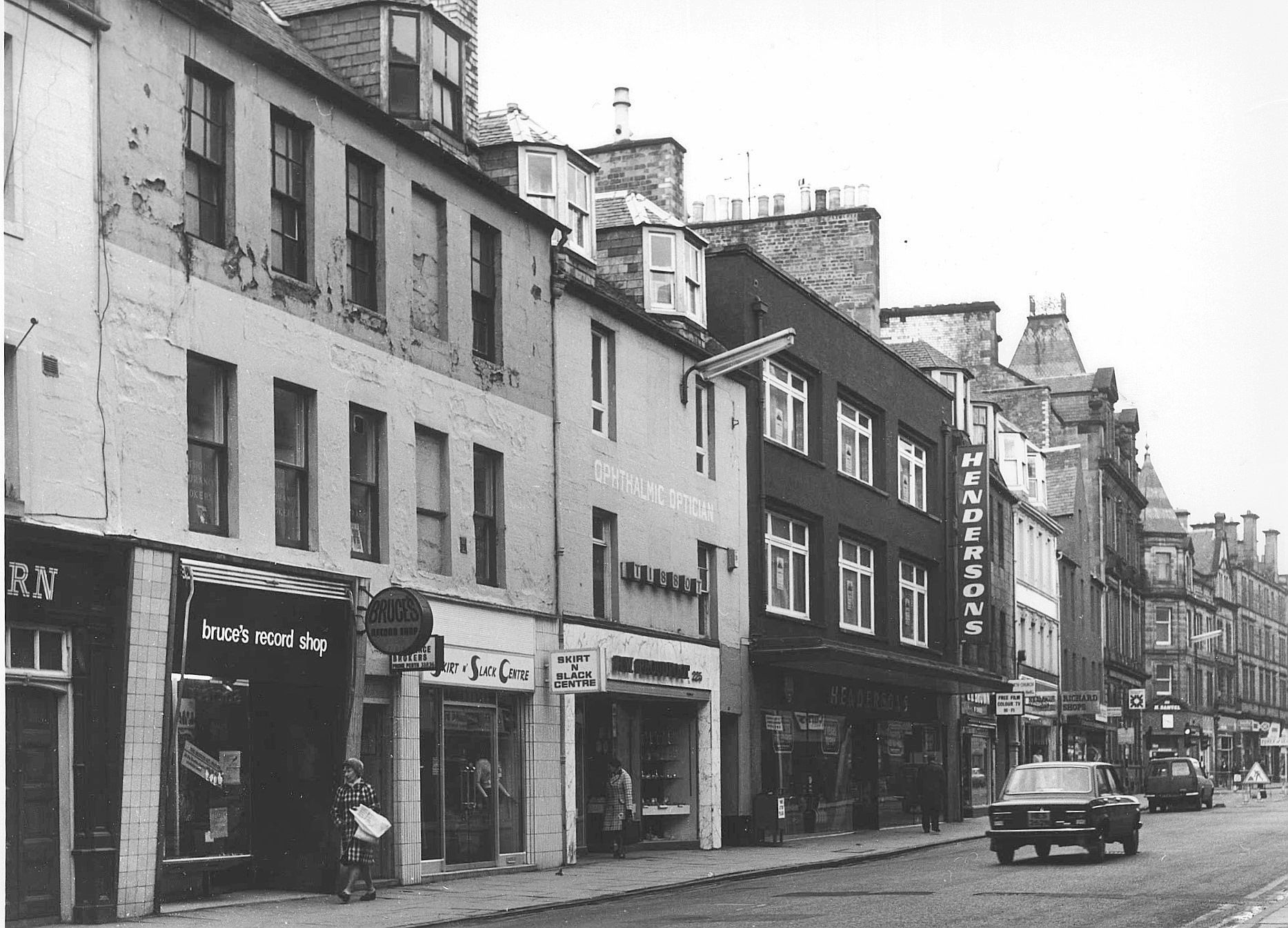
The Legacy and Impact of Bruce’s Record Shop
Bruce’s Record Shop wasn’t just a business; it was a cultural phenomenon that left an indelible mark on the UK’s independent music scene. A true testament to its standing was its close collaboration with major industry players, notably Island Records. These connections helped the shop cement its market position and secure the most highly sought-after releases. But the true value of Bruce’s went far beyond mere retail. The shops acted as vital hubs for musical culture—hosting gigs, publishing their own fanzine, and fostering a tight-knit community around new music. The creation of Zoom! Records was the ultimate extension of this influence, paving the way for fresh talent to break through. The meteoric rise of Simple Minds remains the shining example of this legacy, proving Findlay’s exceptional ear for potential and his ability to take local talent to the global stage.