Playful modern British dining in the St James Quarter
Duck & Waffle sits in the heart of Edinburgh’s St James Quarter, serving playful modern British food alongside innovative house cocktails. With dynamic interiors and a buzzy atmosphere, it offers a ‘gastro diner’ experience for all-day brunch, dinner, Sunday roast and cocktails.
What to order
The signature dish is the namesake duck and waffle — crispy duck on a waffle with a fried egg and spicy maple syrup. The wider menu offers creative modern British plates and inventive cocktails.
Who it’s for
Duck & Waffle is a good choice for an all-day brunch, a lively dinner or cocktails with friends. Its modern setting and signature dish make a visit memorable.
Questions and answers
What kind of cuisine does Duck & Waffle serve? Playful modern British, all day.
What should I order? The signature duck and waffle with fried egg and spicy maple syrup.
What makes it special? Its all-day ‘gastro diner’ concept and signature dish.
Where is it located? At 400–402 St James Crescent in Edinburgh.
Ми з дружиною вперше відвідали Единбург зі Штатів і вирішили спробувати Duck & Waffle на бранч, оскільки він відкривається о 9:00 ранку по п'ятницях. Ресторан розташований у кварталі Сент-Джеймс, зручно розташований як д…
Смачний сімейний бранч у Duck & Waffle. На початок були кукурудзяні реберця, крокети з поленти та гігантські поросята в ковдрах – реберця були улюбленими. Далі були роли з лобстером, вафлі з качкою та качка Бенедикт. Все…
Прекрасний заклад з гарною атмосферою, уважним персоналом, цікавим інтер'єром. І неймовірною смочною їжею!
Duck & Waffle Це найкращий ресторан Единбургa! Всім бажаю відвідати,та скуштувати страви!
Коли ми прийшли, було тихо, але в п'ятницю ввечері всі сиділи близько один до одного, що було зрозуміло. Знаменита качка з вафлею була справді смачною, мій партнер поставив їй 9,5/10. Я замовив тріску і був розчарований,…
Reviews last updated: 2026-06-29 14:27:29
Data is refreshed monthly. Sources: edinburgh-trend.com and editorial picks based on reviews.
Ella – Taste of Greece at 134–136 Leith Walk is an authentic Greek restaurant in Edinburgh whose dining room makes you feel you’ve stepped into a Greek village. Open seven days a week with warm, welcoming service, it has earned an outstanding reputation for its tapas-style meze and sharing platters.
What to order
The menu focuses on fresh tapas, meze and grill dishes — popular choices include crispy tiropitakia, tender grilled octopus, generous meat sharing platters and the chicken gyro meal with fries and pitta in a signature sauce.
Who it’s for
Ella is a good choice for a meal with friends, a family dinner or a relaxed evening of sharing plates. Its peaceful atmosphere and good value make a visit a pleasure.
Questions and answers
What kind of cuisine does Ella serve? Authentic Greek — meze, tapas and grill.
What should I order? Grilled octopus, tiropitakia or a meat sharing platter.
What makes it special? Its Greek-village feel and warm, welcoming service.
Where is it located? At 134–136 Leith Walk in Edinburgh.
Їжа була неймовірно смачною! Інтер'єр чудовий, а атмосфера така весела. Марв був чудовим офіціантом і дав нам чудові рекомендації! Ми обов'язково повернемося наступного разу, коли будемо в місті!
Замовили Колокітокефтедес, хумус та піту. Хумус і піта були справді смачні. Піта була дуже м’якою та теплою, хумус – смачним.
Колокітокефтедес не дуже сподобався. Це було щось нове, що ми спробували, воно було жирним і…
Грецький ресторан зі смачною їжею та гарним інтер'єром.
Наша найкраща страва в Единбурзі. Смажений халумі з томатним джемом та апельсиновий пиріг були на найвищому рівні. Страва з баранини та м'ясна тарілка були смачним…
Чудова їжа та вино. Ми замовили м'ясну дошку на двох, пляшку вина та десерти кожному, тож співвідношення ціни та якості було ідеальним.
Персонал був надзвичайно привітним, окрема подяка Марву та іншому офіціанту (вибачте…
Пішли на вечерю. Обслуговування було хорошим, але ми забронювали столик заздалегідь.
На жаль, у них немає дитячого меню, хоча вони були раді змінити одну з основних страв для моєї доньки. Вона все одно її не їла, тому це…
Reviews last updated: 2026-06-29 14:27:29
Data is refreshed monthly. Sources: edinburgh-trend.com and editorial picks based on reviews.
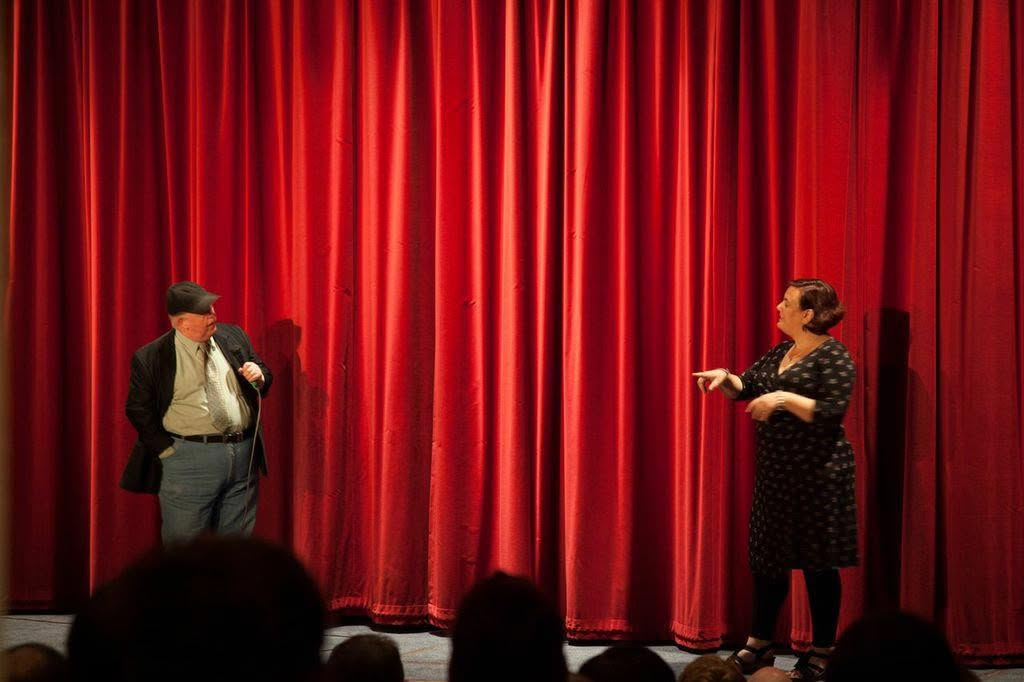
The Dead by Dawn festival holds a special place in the history of British genre cinema. Founded in Edinburgh in 1993, it quickly became a platform for showcasing independent horror, sci-fi, and short films from around the globe. Over its decades-long run, the event has evolved into one of the country’s premier gatherings for horror aficionados. Read more on edinburgh-trend.
Dead By Dawn Horror Film Festival
Adele Hartley’s Teenage Passion and Early Festival Influences
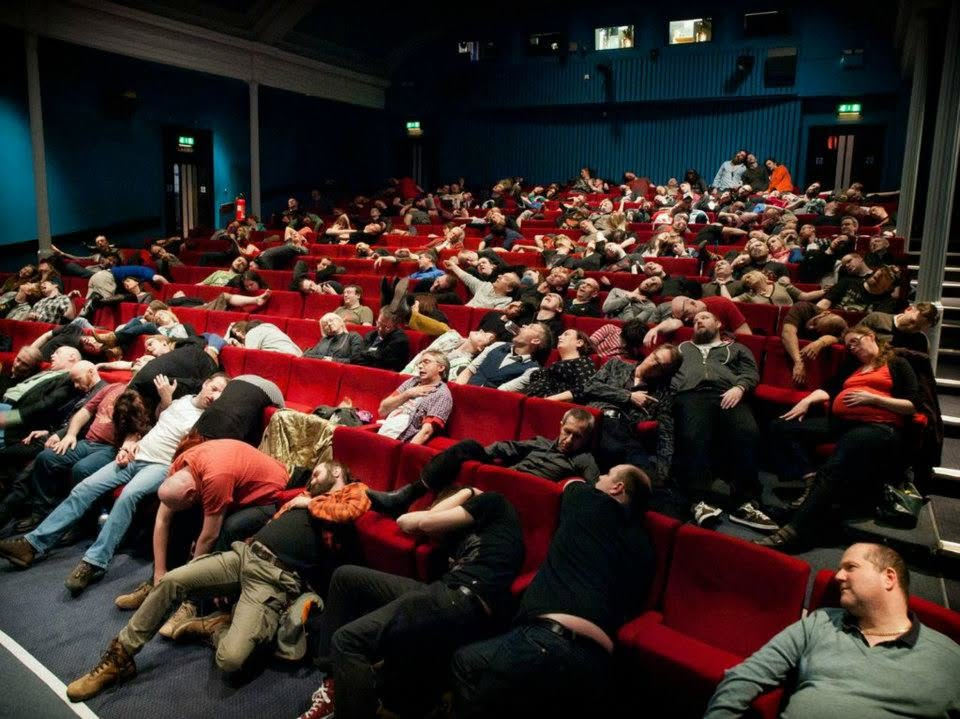
Adele Hartley’s introduction to horror cinema began in her teens, but her true passion for the genre was ignited after watching Sam Raimi’s cult classic, Evil Dead II. The Black Sunday film festival played a massive role in shaping her future vision. The atmosphere of late-night movie marathons, a community of like-minded fans, and the magic of seeing genre films on the big screen left a lasting impression on her. When that festival eventually shut down, Adele decided to launch her own project. She wanted to preserve the unique experience of communal horror viewing. And so, in 1993, Dead by Dawn was born in Edinburgh.
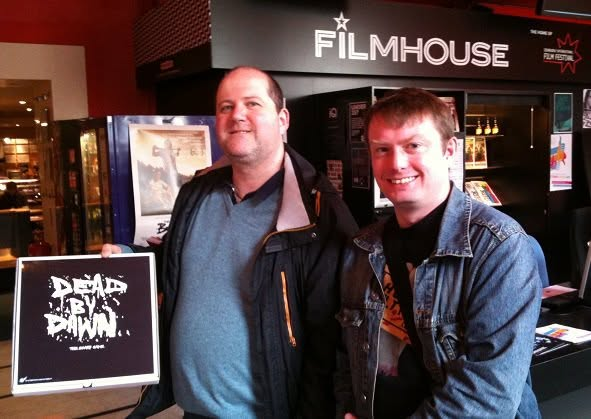
By the early 2000s, Dead by Dawn had firmly established itself as a must-attend event for British horror fans. The 2003 festival, which marked its 10th anniversary, was a particularly significant milestone. The celebratory program took over the Filmhouse cinema, treating audiences to 13 feature films and 13 shorts. The organizers brilliantly mixed genre classics with fresh independent releases, creating an action-packed, three-day event for sci-fi and horror lovers. The festival kicked off with a screening of Wes Craven’s legendary A Nightmare on Elm Street. The presence of Robert Englund, the actor famous for playing Freddy Krueger, gave the event an iconic status. Thanks to his visit, the audience not only got to enjoy the cult classic during an atmospheric midnight screening but also had the rare chance to chat with one of the genre’s biggest stars.
In the years that followed, Dead by Dawn gradually shifted its focus toward independent cinema. In a 2011 interview, Adele Hartley emphasized that the festival was dedicating more attention to original, auteur-driven works that rarely secure wide theatrical releases. Short films also claimed a special spot in the lineup. According to the founder, shorts are often overlooked by the mainstream film market, despite the immense creative potential packed into these bite-sized projects.
The 20th and 25th Anniversaries, and Key Festival Milestones
One year, a founder of International Ridicule—a company specializing in custom board games—attended Dead by Dawn. To show his appreciation for Adele Hartley, he decided to create a themed board game dedicated to the legendary Italian director Dario Argento. The organizers loved the idea so much that the International Ridicule team was invited to join the festival’s 20th-anniversary celebrations in 2013. A massive project was rolled out for the jubilee: two full-sized board games based on both short and feature films, along with forty compact game boards produced exclusively for sale at the event. The standout feature of the design was the use of artwork and motifs from movies screened at Dead by Dawn during its first two decades.
In 2018, Dead by Dawn celebrated its 25th anniversary. The four-day festival brought together 51 films from 17 different countries. The lineup featured UK premieres, beloved classics, independent features, and short films by emerging directors. The guest of honor was John Landis, a director who has made huge contributions to comedy and sci-fi horror. He personally presented his renowned films Innocent Blood and An American Werewolf in London. For horror fans, this was an incredible opportunity to engage with a filmmaker whose work has long been cemented in cinema history.
Like many cultural events worldwide, Dead by Dawn faced severe challenges at the onset of the COVID-19 pandemic. The festival, originally slated for April 2020, had to be canceled due to lockdown restrictions and the inability to safely host large gatherings. After a few years of preparation, the Filmhouse cinema finallyopened its doors to audiences again in 2025. The organizers have already announced the dates for the next festival: it will take place at the cinema from April 21 to 25, 2027.
Dead By Dawn Horror Film Festival
Recognition and Legacy of the Dead by Dawn Festival
Over more than 30 years, Dead by Dawn has grown from a local grassroots initiative into one of the most respected horror film festivals in the UK. Founded in 1993, it held the title of the country’s oldest genre film festival for a long time, while also maintaining its status as Scotland’s only international horror film festival. The project owes much of its success to Adele Hartley. She personally curated the program and earned immense respect within the global horror community. It was her stellar reputation that drew iconic figures like Robert Englund, John Landis, Frank Henenlotter, Jeff Lieberman, Fred Dekker, and Tony Todd to the event. By perfectly blending classics with fresh indie hits, Dead by Dawn has done more than just popularize horror cinema in Scotland. It has launched the careers of promising directors, championed short filmmaking, and united a global community of true genre fans.
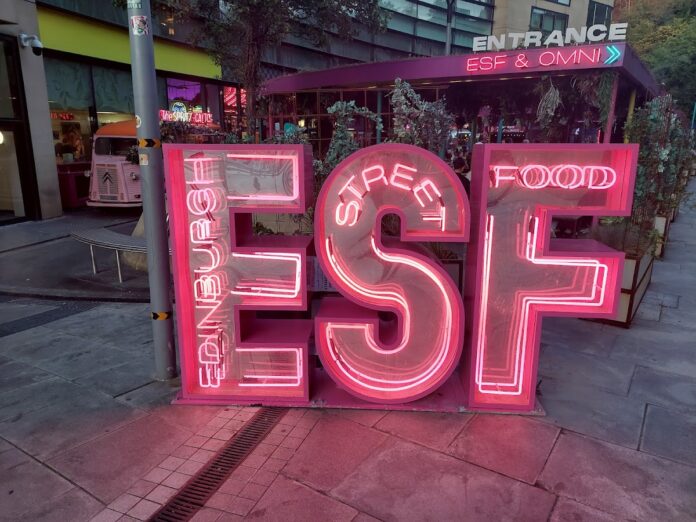
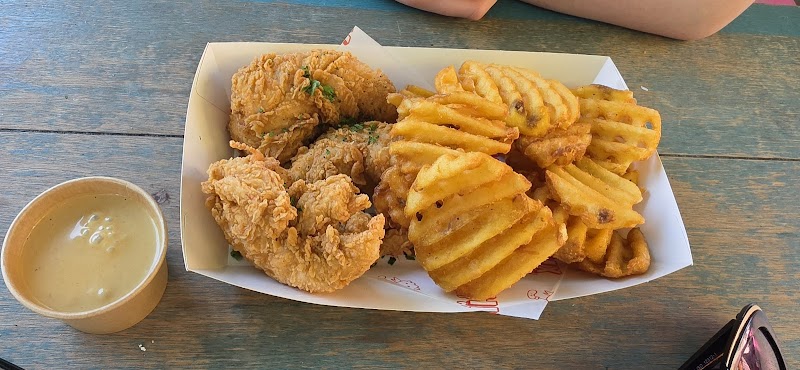
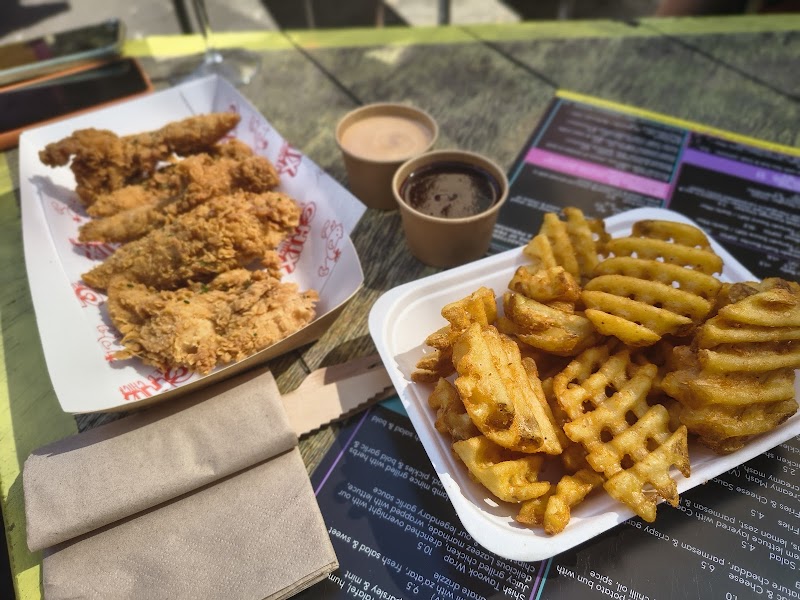
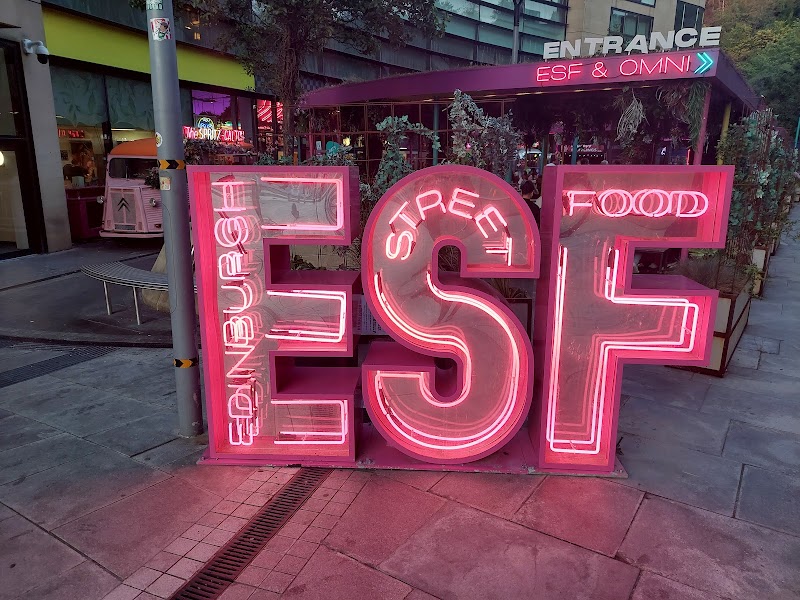
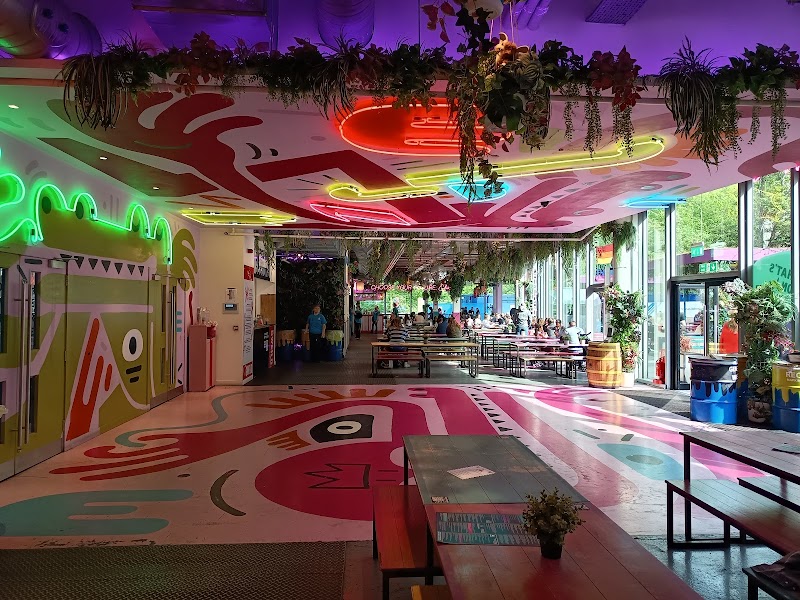
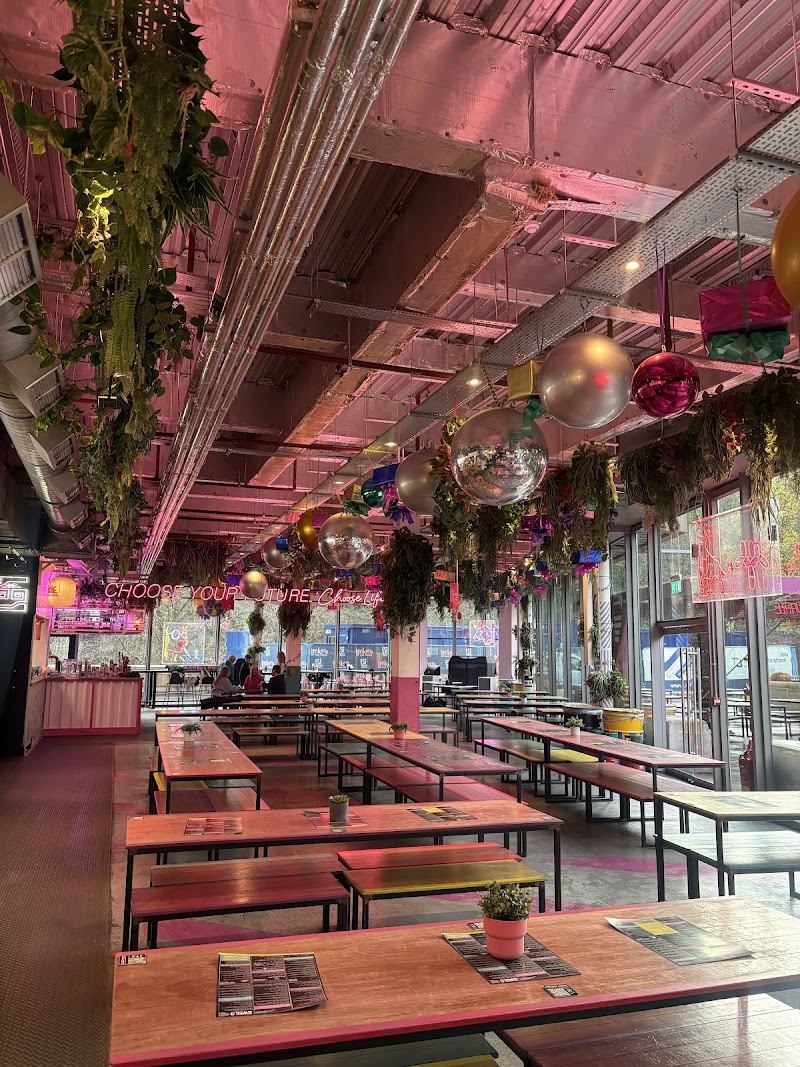
Edinburgh Street Food is a lively, covered street food market in the heart of the city, tucked into a self-contained corner of the Omni Centre on Leith Street with its own street-level entrance. Opened in 2023, it gathers a line-up of independent kitchens under one neon-lit roof, with more than 200 seats inside and a further 250 on a heated, covered terrace. Three bars focus on Scottish craft drinks, with around 70% of the draught beer coming from Edinburgh breweries — making it a relaxed, all-weather spot to eat, drink and share.
What to order
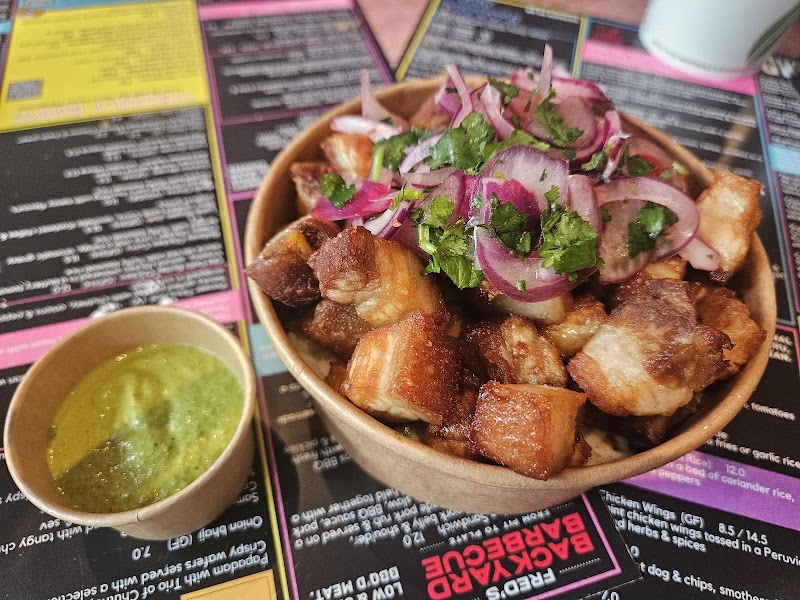
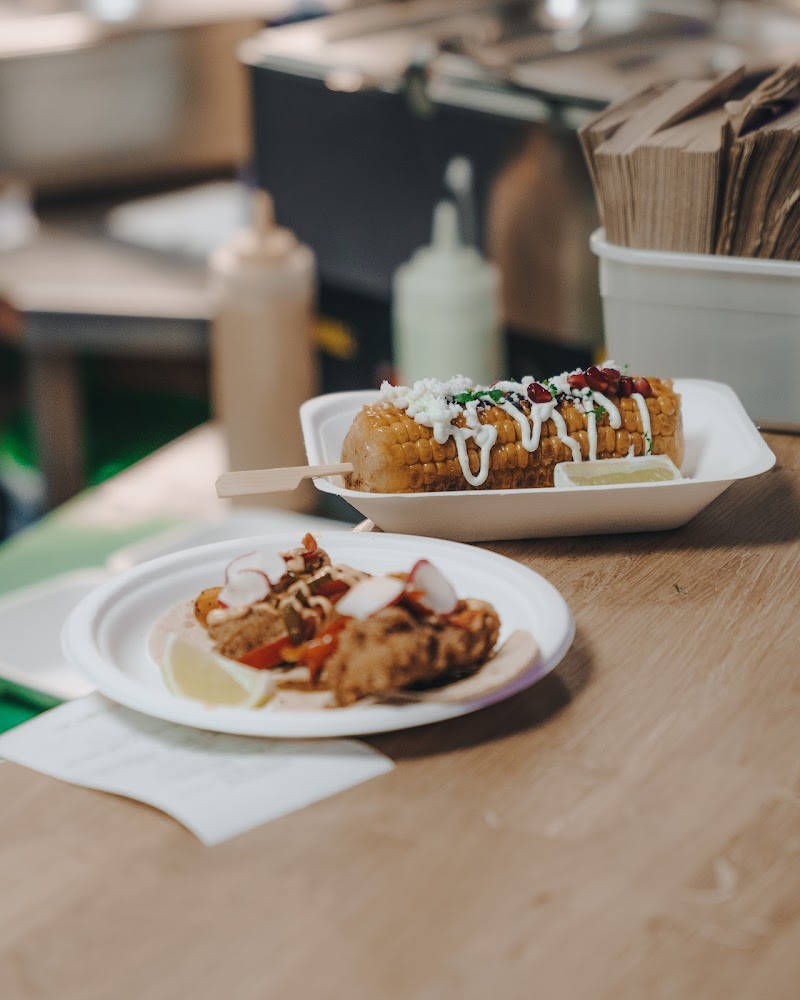
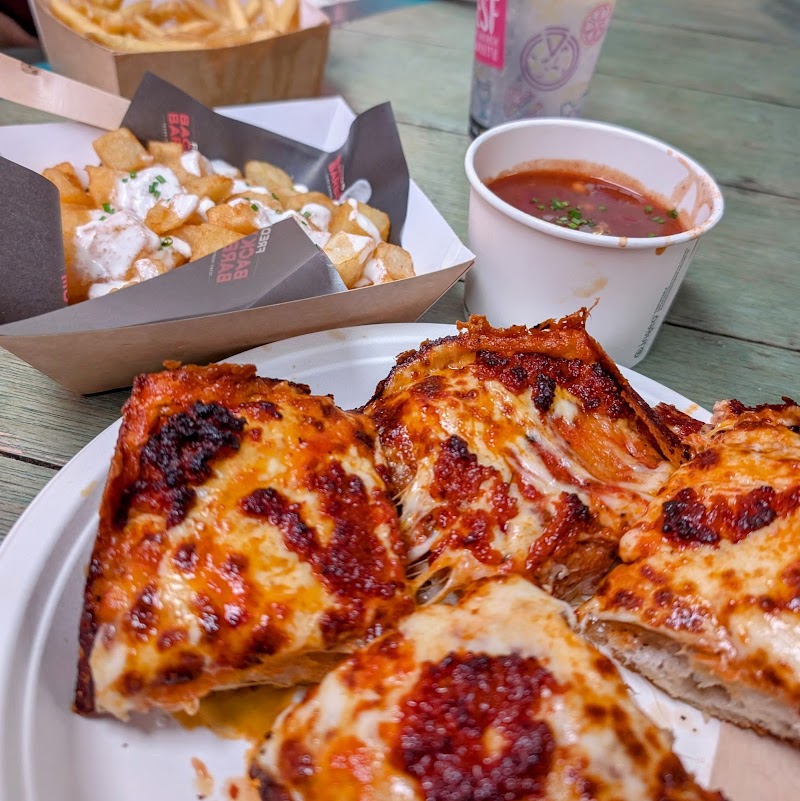
The appeal is variety: independent traders serve global street food that’s big on flavour, cooked fresh and made to be shared. The line-up has included award-winners like Junk (a British and European Street Food Award winner), Bundits, Antojitos (a Scottish Street Food Award winner), The Peruvian, House of Tapas and Fabbrica, among others — so you can graze across cuisines in a single visit. Order via a QR code at your table or from floor staff, and the food and drinks come to you.
Who it’s for
This is a great choice for groups with different tastes, a casual lunch or a relaxed evening of grazing and drinks. The mix of cuisines, communal seating and craft bars makes it especially good for friends who can’t agree on one thing to eat.
Questions and answers
What kind of food does Edinburgh Street Food serve? A rotating mix of global street food from independent, award-winning traders.
How does ordering work? Order via a QR code at your table or from floor staff, and the food is brought to you.
What’s on offer to drink? Three bars focused on Scottish craft drinks, with most draught beer from Edinburgh breweries.
Is it good for groups? Yes — the variety of cuisines and communal seating make it ideal for groups.
Where is it located? In the Omni Centre on Leith Street, in central Edinburgh.
Ми гуглили чудову вуличну їжу під час нашої поїздки до Единбурга, і це місце знайшлося, і воно не розчарувало!! Такий чудовий спосіб насолодитися їжею з різних куточків світу таким простим та добре організованим способом…
A lot of options of food.
I had 3pc chicken tendies from chix,
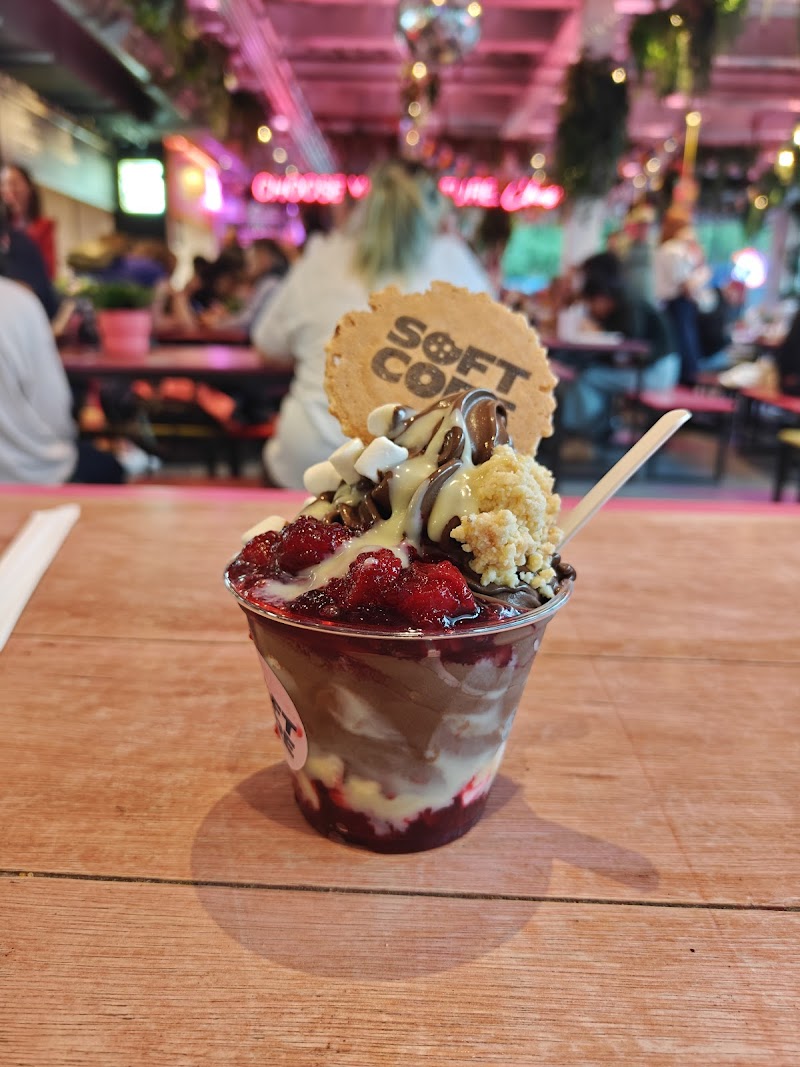
Freds BBQ loaded fries and vanilla cheese cake from soft core.
Everything was so tasty that I was amazed.
Also you got servise for whole street food market w…
Great experience, great choice & options, so well thought out, something for everyone, reasonably priced, but I found the quality of food matched the price! From Peruvian food to bbq smoked food! We will come back to tr…
Вперше тут, чудовий маленький заклад. Офіціант Джо був дуже люб'язним і привітним. Ми спілкувалися протягом усього нашого перебування. Приємно бачити когось, хто захоплений місцем своєї роботи. Я замовляв у різних місцях…
Якщо вам подобається вулична їжа Единбурга, міжнародні смаки та невимушена атмосфера гурмана, вам обов'язково потрібно зазирнути сюди.
Це був мій другий візит, і я великий шанувальник. Стільки продуктових кіосків, стіль…
Show 1 more reviews
Ми вперше спробували тут, і, чесно кажучи, ми були вражені невимушеною та невимушеною атмосферою, легкістю замовлення та чудовою якістю їжі. Мій партнер їв коробку для барбекю, а я їв піцу, і я не міг ні до чого причепит…
Reviews last updated: 2026-06-30 21:24:43
Data is refreshed monthly. Sources: edinburgh-trend.com and editorial picks based on reviews.
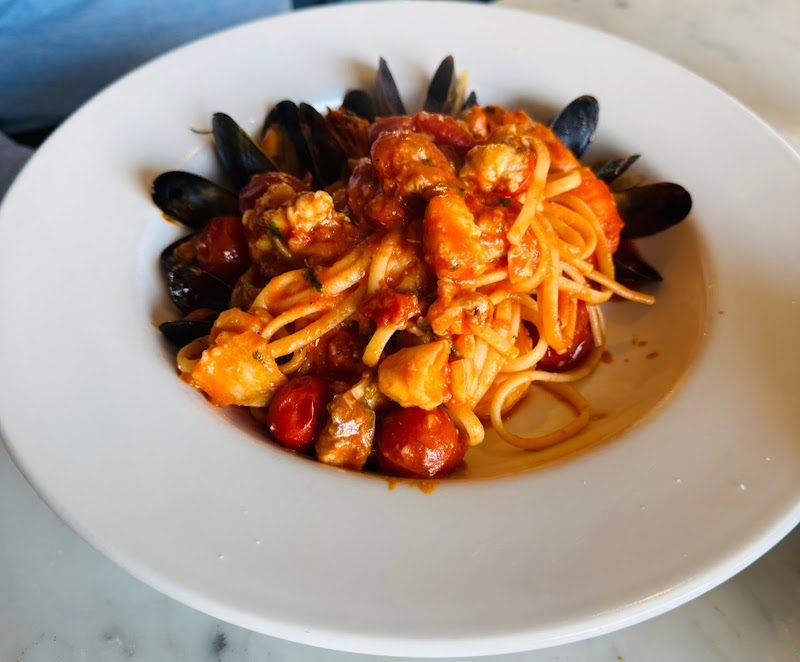
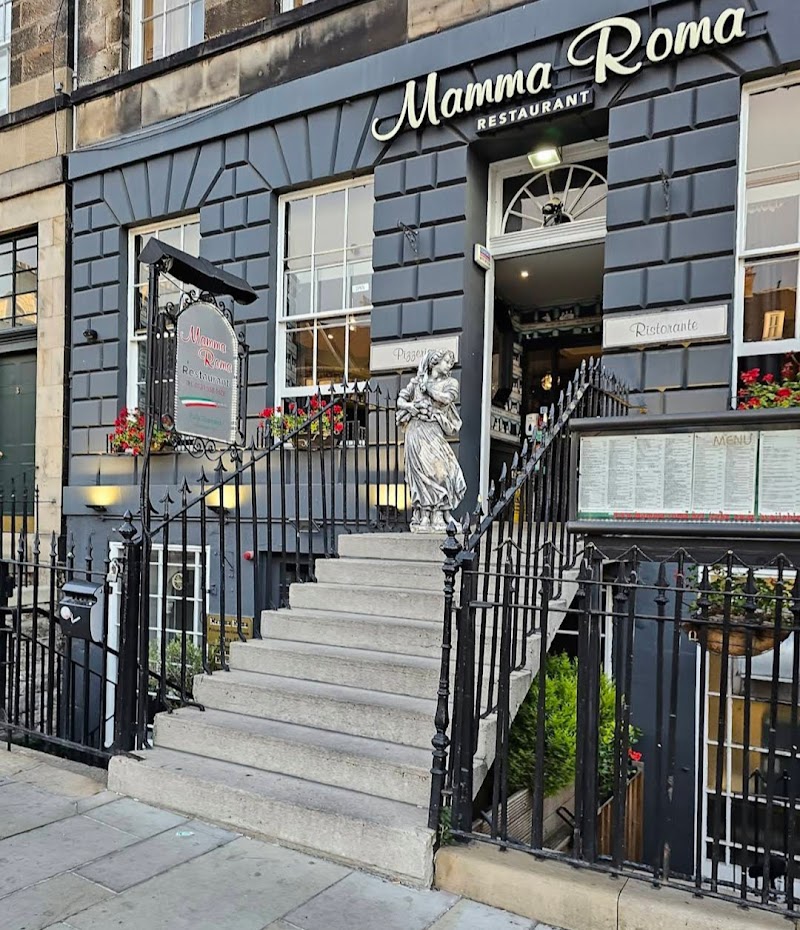
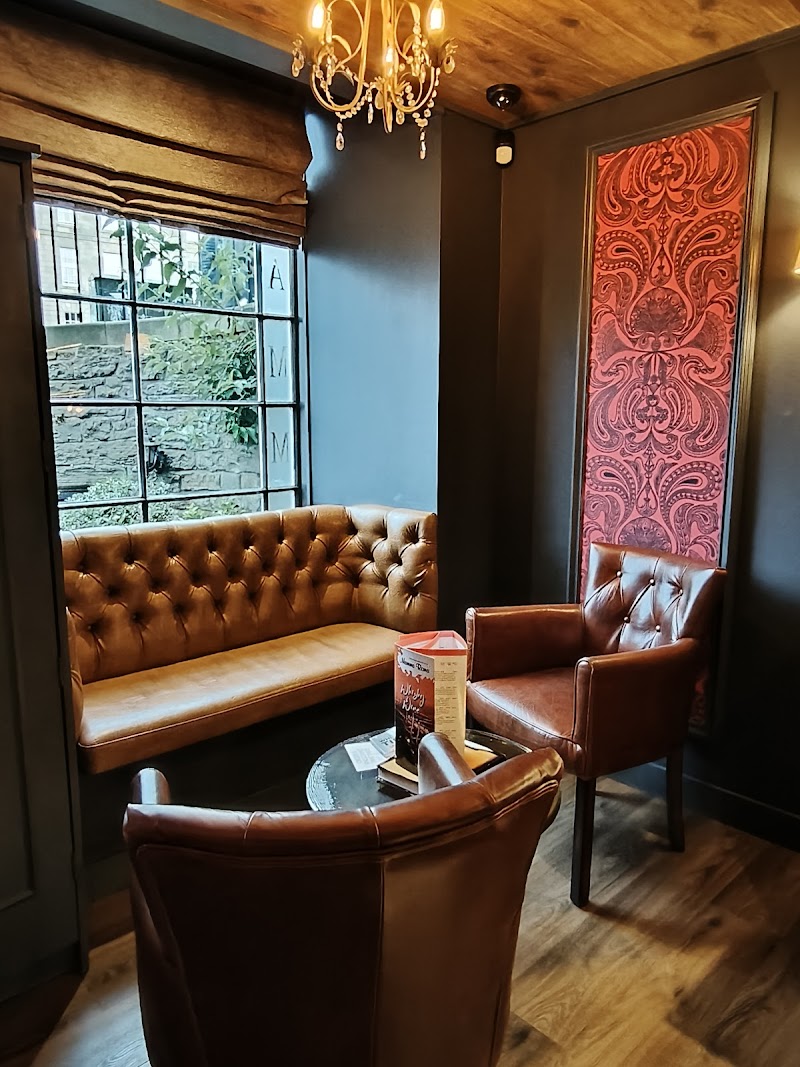
Mamma Roma is a much-loved family-run Italian restaurant on Antigua Street, founded back in 1995 and serving genuine Italian hospitality for over two decades. Just opposite the Edinburgh Playhouse — and a short walk from Princes Street Gardens and Waverley station — it’s a favourite for pre-theatre dinners and date nights. Spread over multiple floors, the main dining room is decorated in Tuscan farmhouse style, while the upstairs is theatre-themed, with paintings inspired by Italy’s most famous actors, opera singers and classic films.
What to order
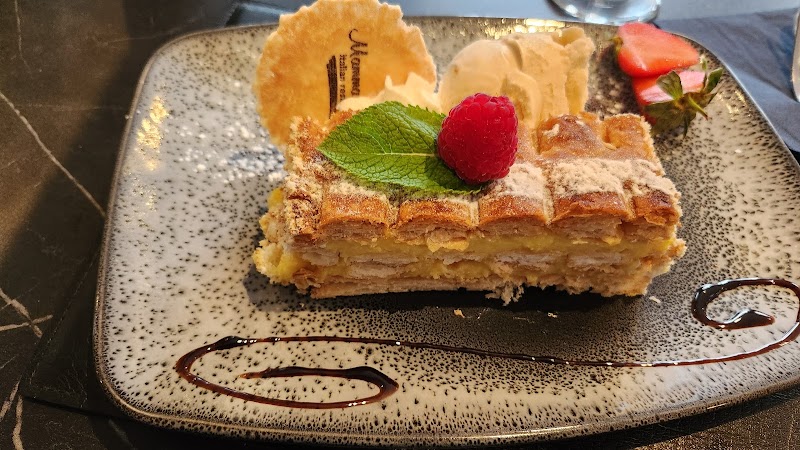
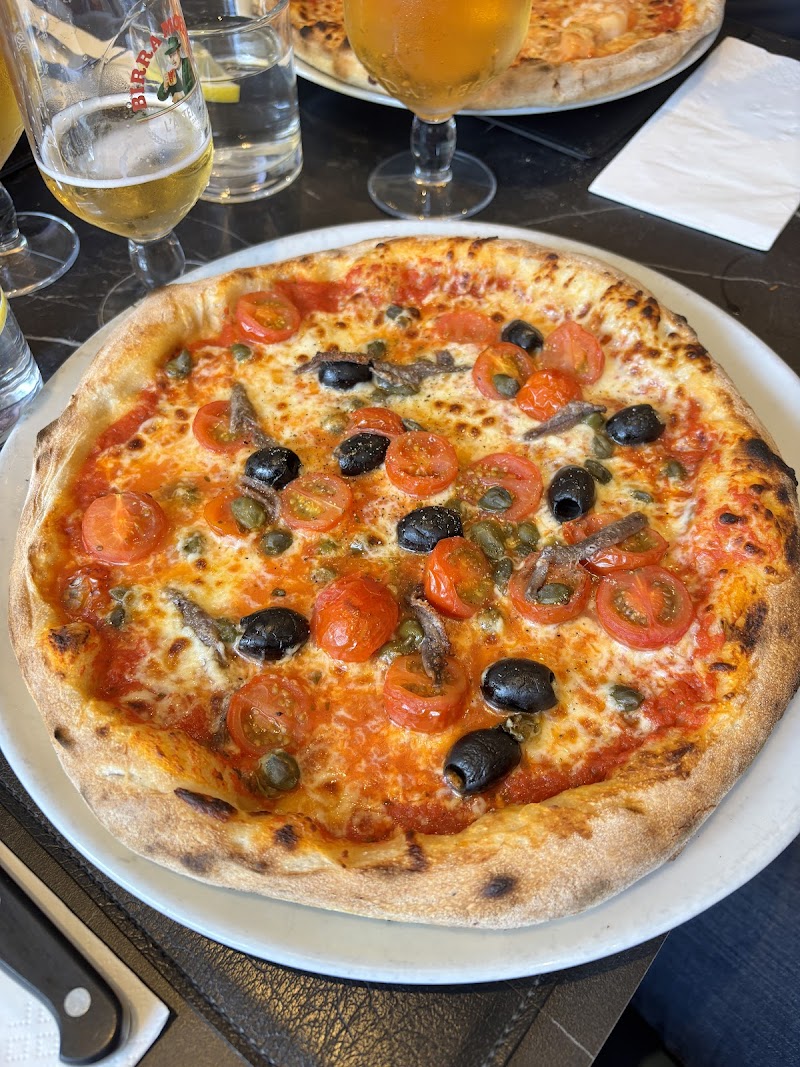
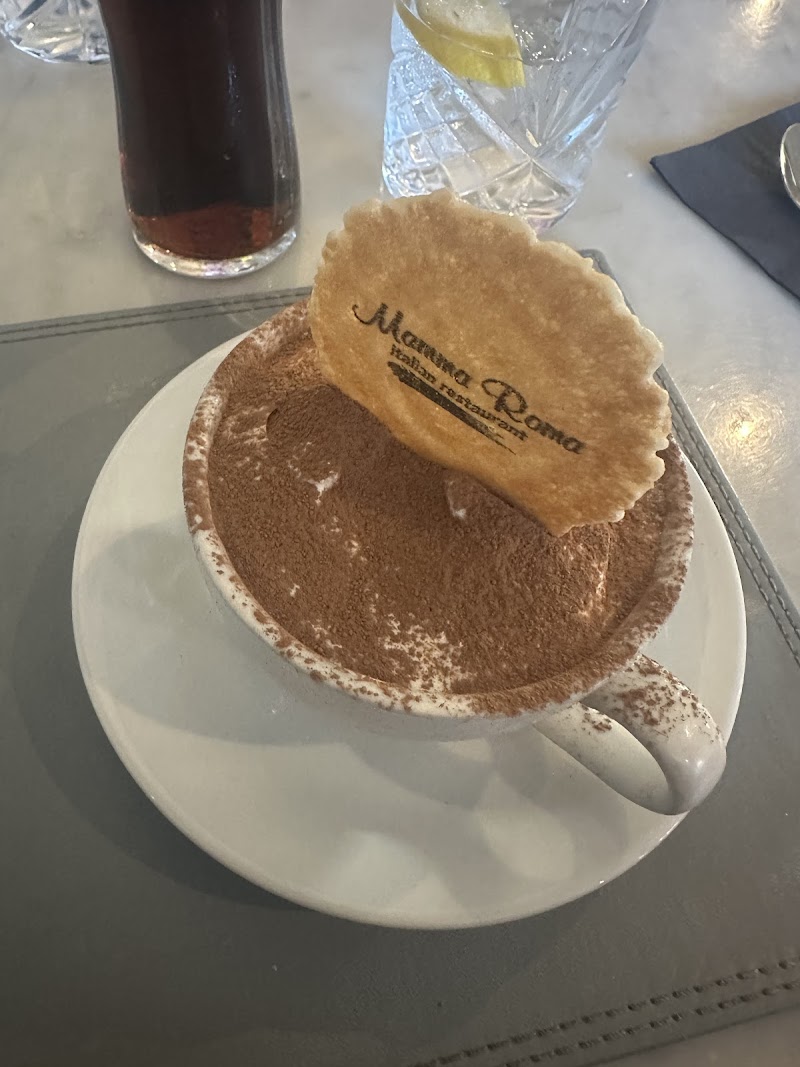
Special attention goes to the elaborate list of pasta and pizza. Pizza lovers can choose from classics like the Margherita, the house Pizza Mamma Roma, pepperoni and calzone, while pasta favourites include carbonara and Bolognese, with seafood dishes also earning praise. Round things off with a bowl of gelato or a plate of tiramisu.
Who it’s for
With its warm, slightly buzzy atmosphere and attentive service, Mamma Roma is a great choice for a date night, a pre-theatre dinner or a relaxed meal with friends. Generous portions and authentic flavours make it a reliable favourite — it even featured in OpenTable’s Top 100 UK 2024.
Questions and answers
What kind of food does Mamma Roma serve? Authentic Italian — pasta, pizza, seafood and classic desserts.
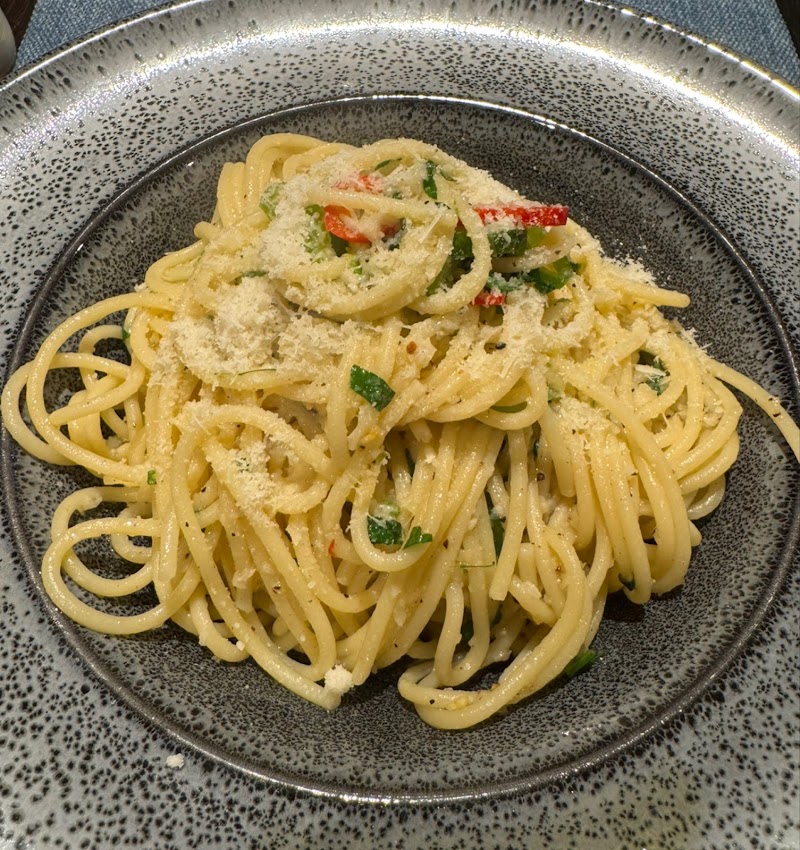
What should I order? The house Pizza Mamma Roma, a fresh pasta like carbonara, and tiramisu to finish.
Is it good for pre-theatre? Yes — it’s right opposite the Edinburgh Playhouse, ideal before a show.
How long has it been open? Since 1995 — a family-run restaurant for over two decades.
Where is it located? On Antigua Street, near the Edinburgh Playhouse.
Справжня італійська паста, яку подають за лічені хвилини. Тут досить людно, тому краще бронювати столик заздалегідь. Ідеальні ласощі для смакових рецепторів! Навіть безалкогольні напої з полуницею були дуже смачними. Ми…
Абсолютно чудовий досвід у цьому італійському ресторані! Їжа була просто вишуканою, кожна страва була насиченою смаком, чудово поданою та приготованою з такою турботою. Ви можете по-справжньому відчути автентичність у ко…
Чудовий італійський ресторан! Вільного столика одразу не було, тому ми змогли зайняти місце в барі поруч. Столик звільнився досить швидко. Ми скуштували тут смачну піцу фокаччу та кальцоне! Десерти також були на найвищом…
Нещодавно я відвідав Mamma Roma, і все було неймовірно від початку до кінця. Їжа була просто чудова, а персонал зробив усе це справді особливим.
Ми почали з брускети, польпетте піканті та меланзане аль форно, які повніс…
Один з кращиж моїх ресторанів. Вартість страв 15 -20 фунтів. Справді смачна італійська кухня. Паста з морепродуктами просто неймовірна.
Reviews last updated: 2026-06-30 21:24:43
Data is refreshed monthly. Sources: edinburgh-trend.com and editorial picks based on reviews.
Traditional Scottish food and live music off the Royal Mile
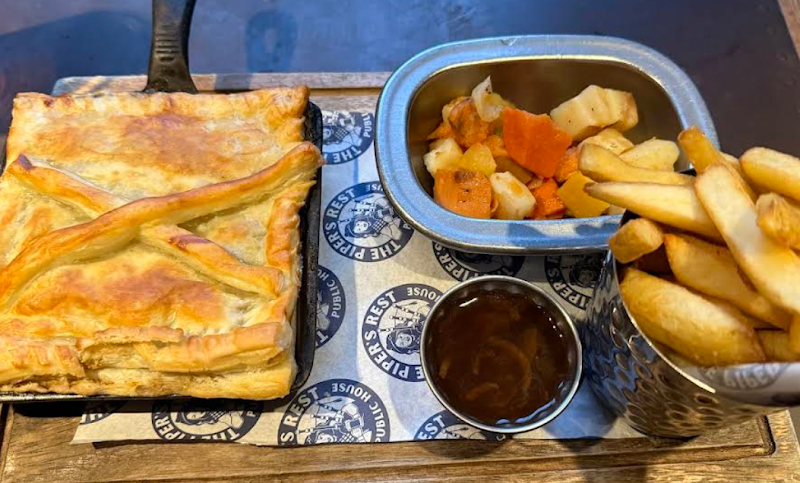
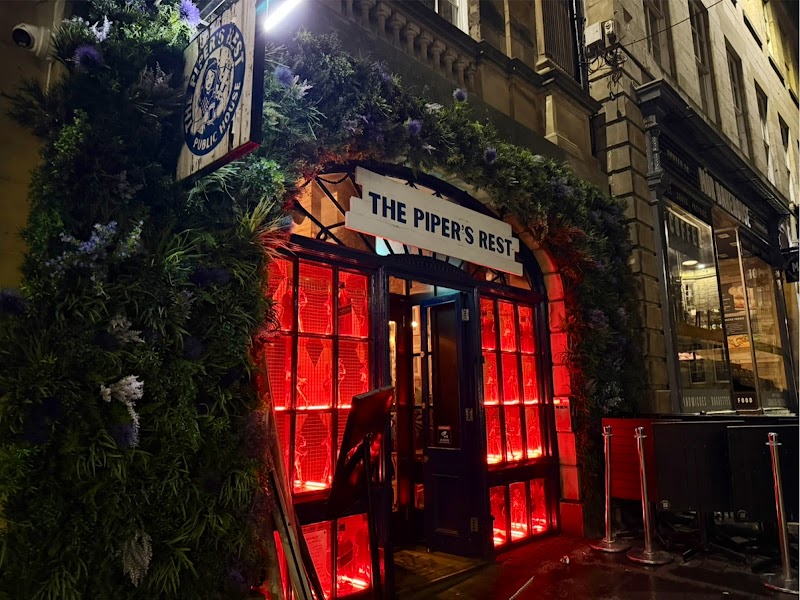
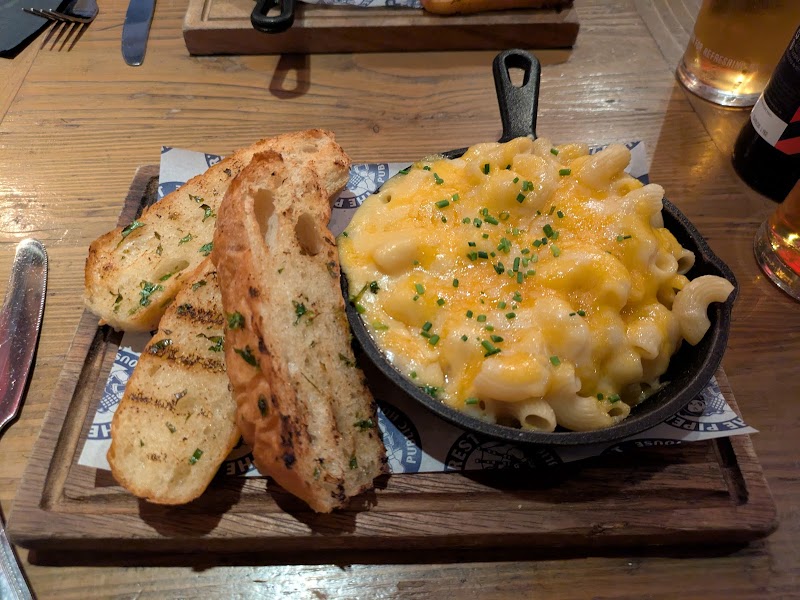
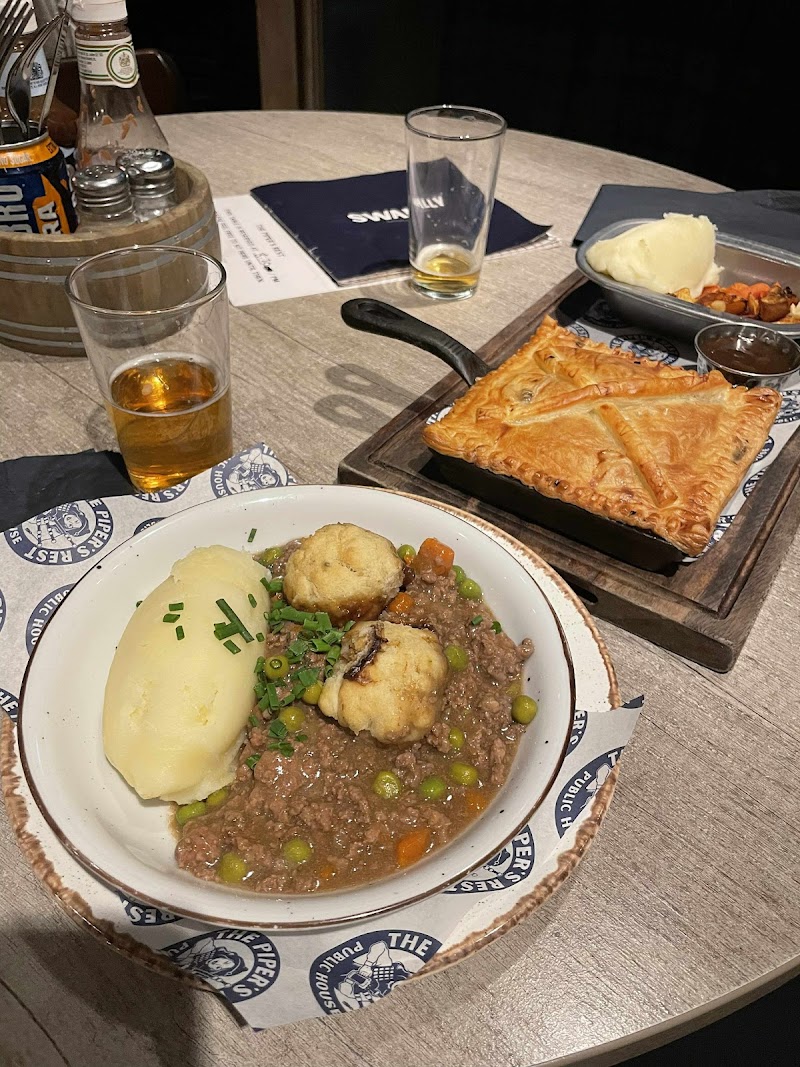
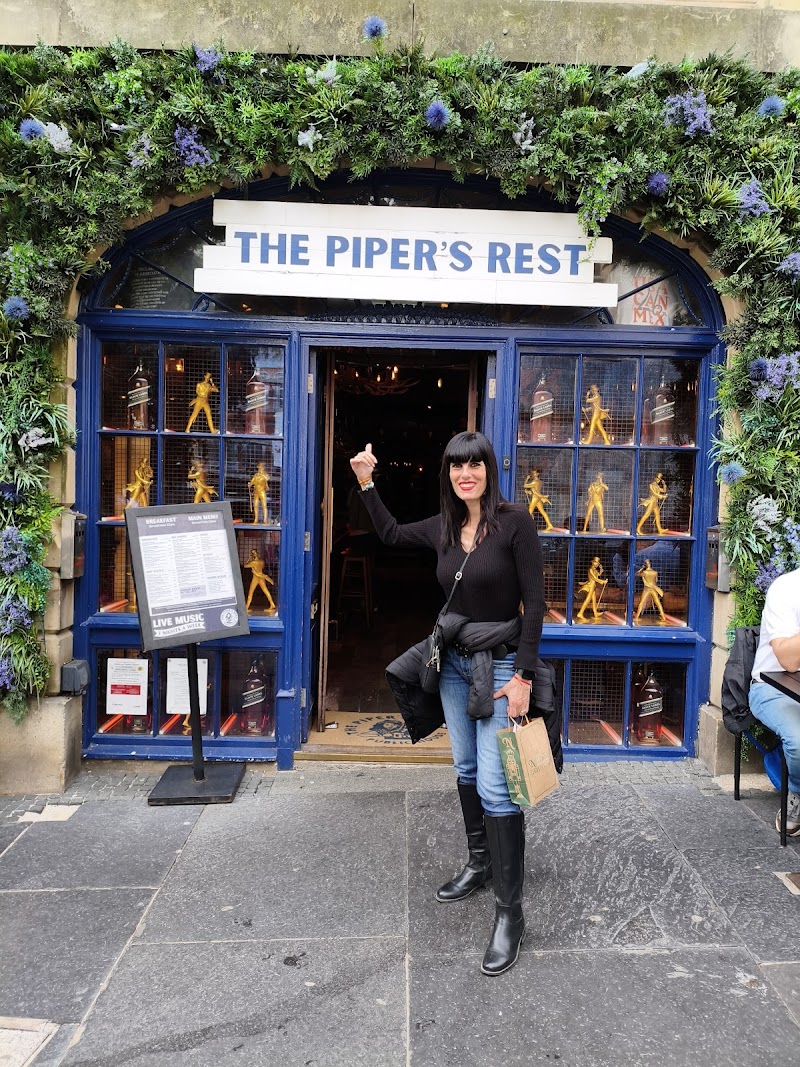
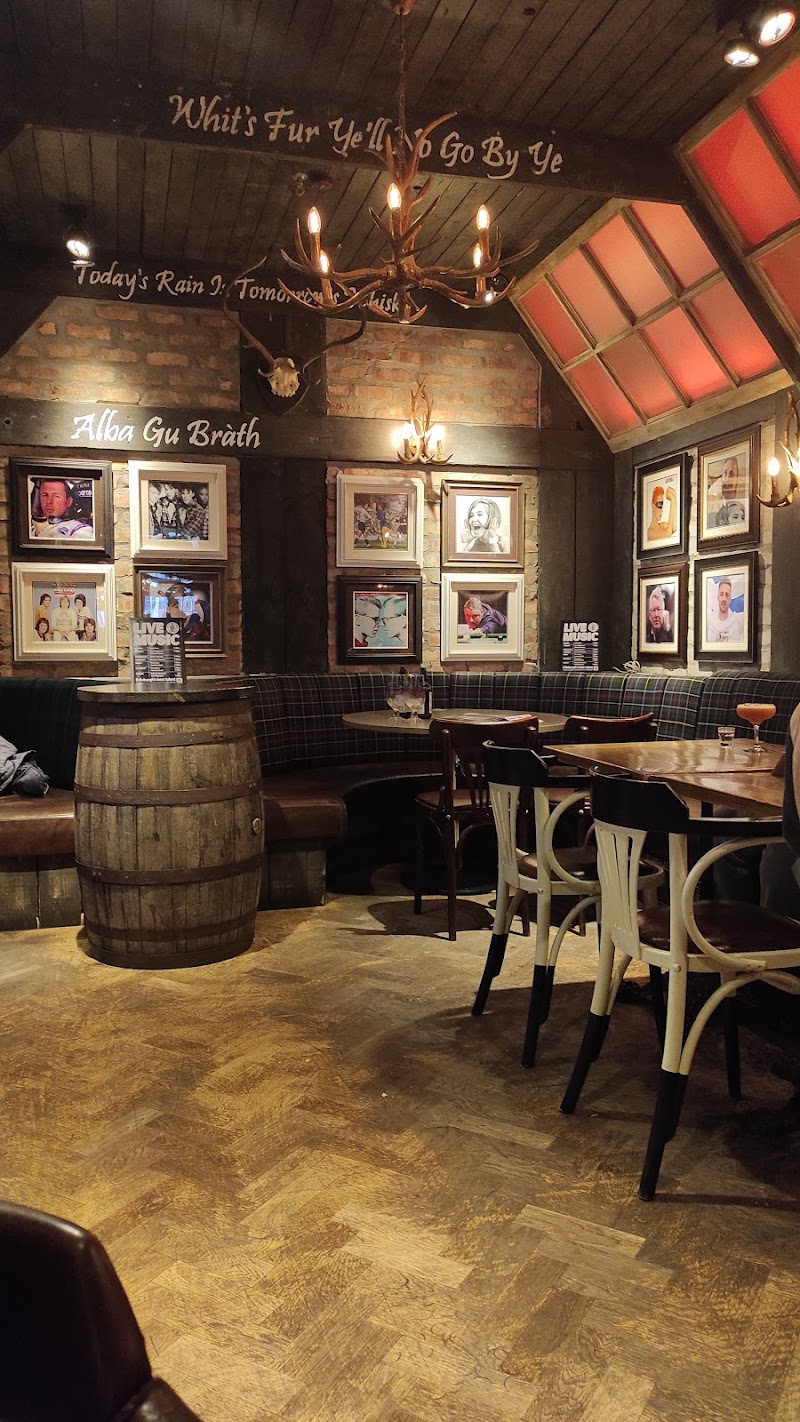
The Piper’s Rest sits at 3 Hunter Square, just off the Royal Mile, in the heart of Edinburgh’s historic Old Town. It’s a classic Scottish pub-restaurant serving traditional dishes, local whiskies and craft beers, with live music seven nights a week and a warm, lively atmosphere. The menu is built entirely around Scottish favourites — recipes passed down through generations and given a modern twist.
What to order
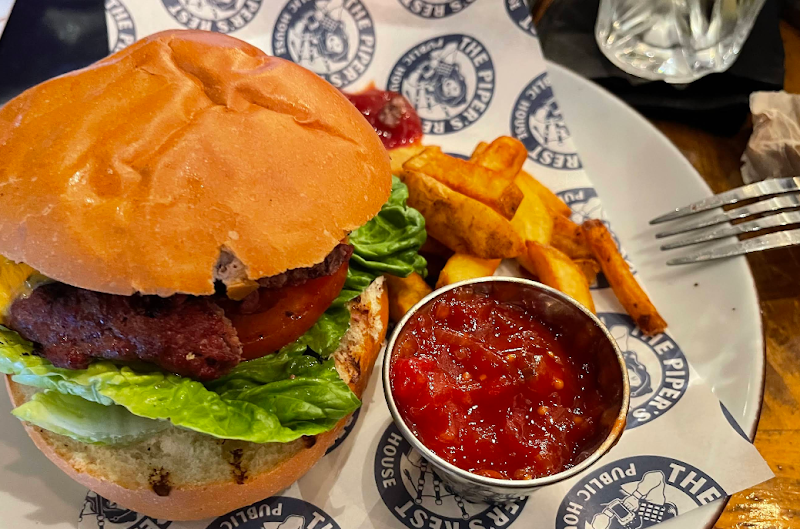
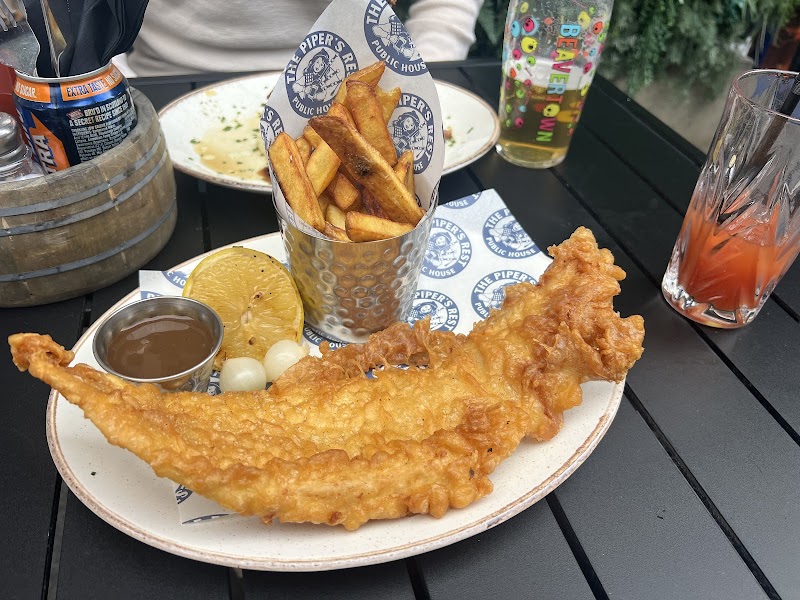
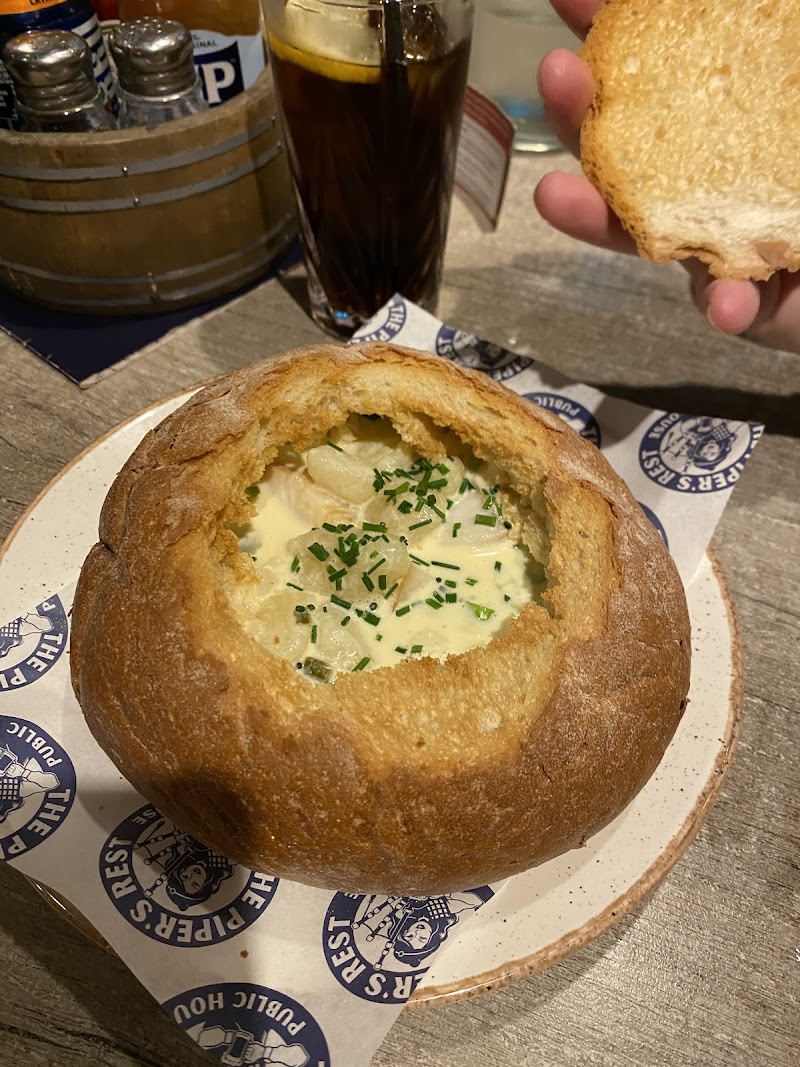
Signature dishes include a hearty steak pie, rich haggis with neeps and tatties in a whisky sauce, and a classic fish supper of battered Peterhead haddock. For something more playful, try the haggis lollipops or a deep-fried Mars bar, and don’t miss the comforting Cullen Skink soup. Ingredients come from quality local suppliers, including Buffalo Farm for meat and Breadwinner for bread.
Who it’s for
With its live music, friendly service and traditional menu, The Piper’s Rest is a great choice for visitors wanting an authentic taste of Scotland, a sociable night out or a relaxed meal in the Old Town. Reservations are recommended, especially in the evenings.
Questions and answers
What kind of food does The Piper’s Rest serve? Traditional Scottish favourites — haggis, steak pie, fish supper and Cullen Skink.
What should I order? The haggis with neeps and tatties, the steak pie, or the haggis lollipops to start.
Is there live music? Yes — live music seven nights a week.
Where does the produce come from? Quality local suppliers, including Buffalo Farm for meat and Breadwinner for bread.
Where is it located? At 3 Hunter Square, just off the Royal Mile in the Old Town.
Хоча я не був певен, що нам це потрібно, я забронював столик на двох у понеділок о 19:00, і був радий, що зробив це. Невдовзі після цього вони вже чекали. Ава була нашою офіціанткою і чудово порадила хаггіс з пирогом зі…
Вперше, мені його рекомендували для мого першого візиту до Единбурга. Це місце абсолютно не розчарувало. Наш офіціант Ден був обізнаним, дуже привітним та уважним. Якщо колись повернуся до Единбурга, обов'язково завітаю…
Затишний паб зі смачною кухнею. Найсмачніший сидр, який більше нагадує яблучний квас. Дуже низькоалкогольний. Обслуговування на високому рівні. В пабі дотримуються вимог щодо попередження розповсюдження covid19. Рекоменд…
Нас п'ятеро забронювали столик на вечерю одразу після прибуття до Единбурга у п'ятницю ввечері.
Коли ми прибули, нас зустріла жива музика в атмосфері, типовій для найкращого шотландського пабу. Нас обслужила надзвичайно…
Я спробував вегетаріанський хаггіс…
Паб «Piper’s Rest» зарекомендував себе як культовий паб у Старому місті Единбурга, що поєднує традиційну кухню зі святковою атмосферою в центральному та легкодоступному місці.
Заклад…
Show 1 more reviews
3 травня 2026 р.
Я був дуже розчарований, бо вибрав і забронював цей ресторан за кілька місяців наперед, мотивований численними позитивними відгуками, різноманітним меню та фотографіями страв. На жаль, те, що я їв, було…
Reviews last updated: 2026-06-30 21:24:42
Data is refreshed monthly. Sources: edinburgh-trend.com and editorial picks based on reviews.
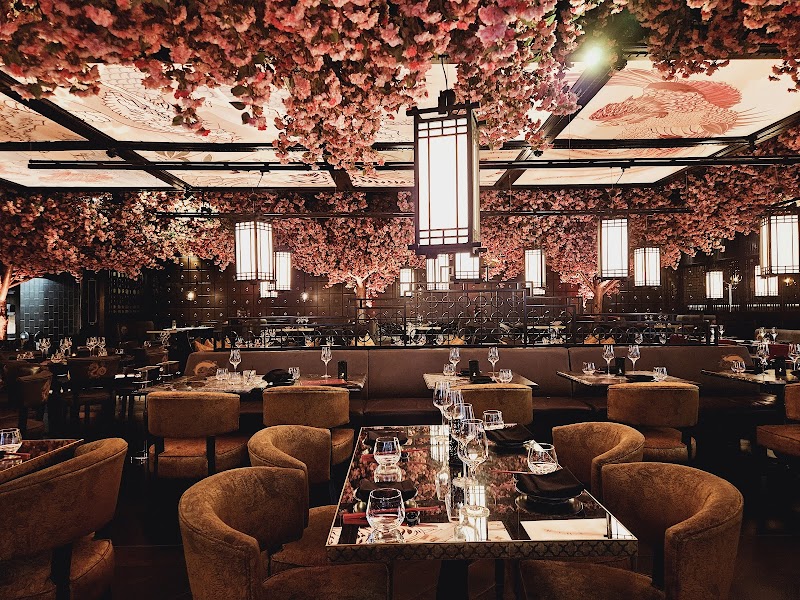
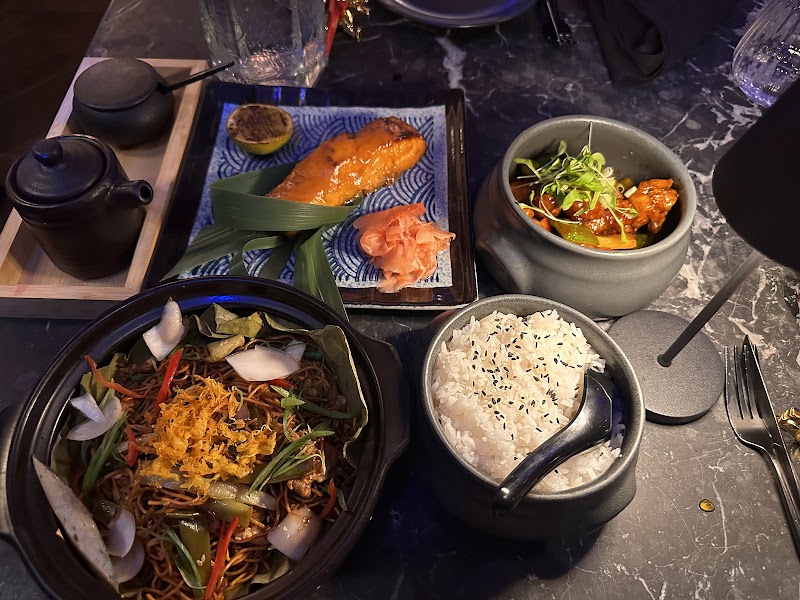
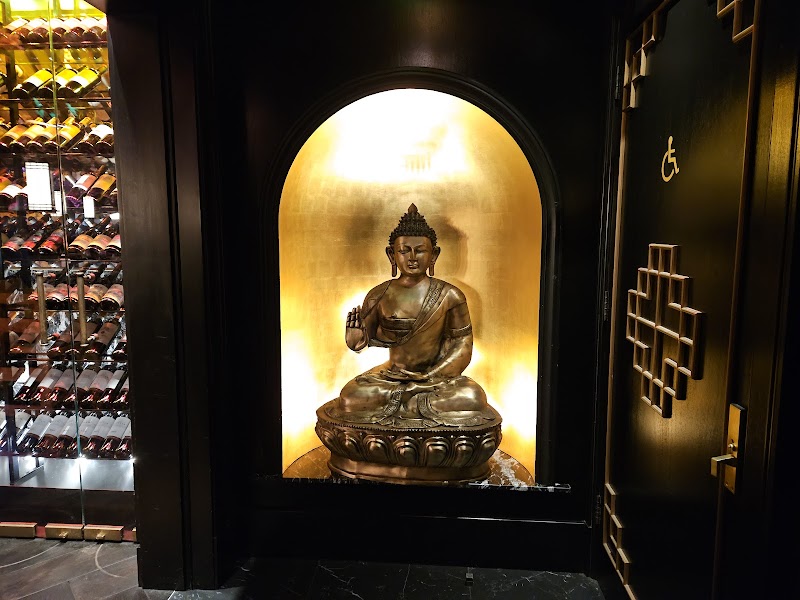
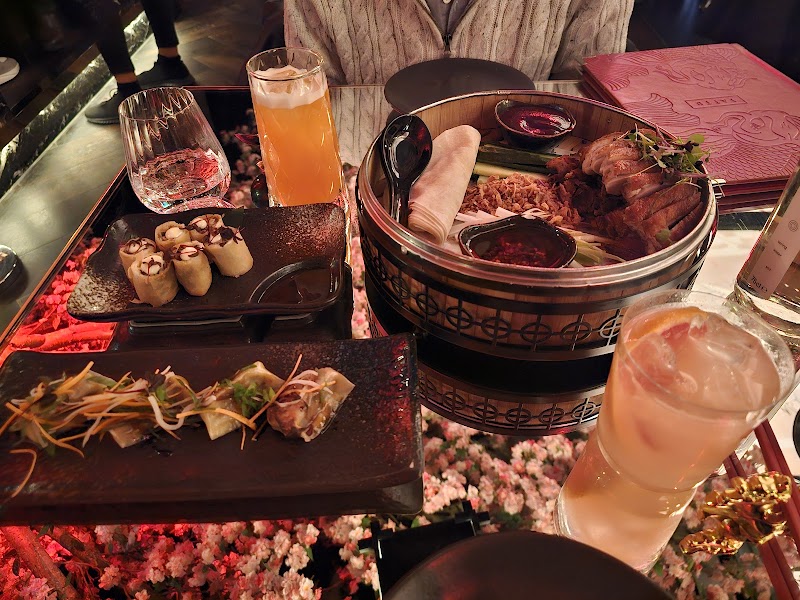
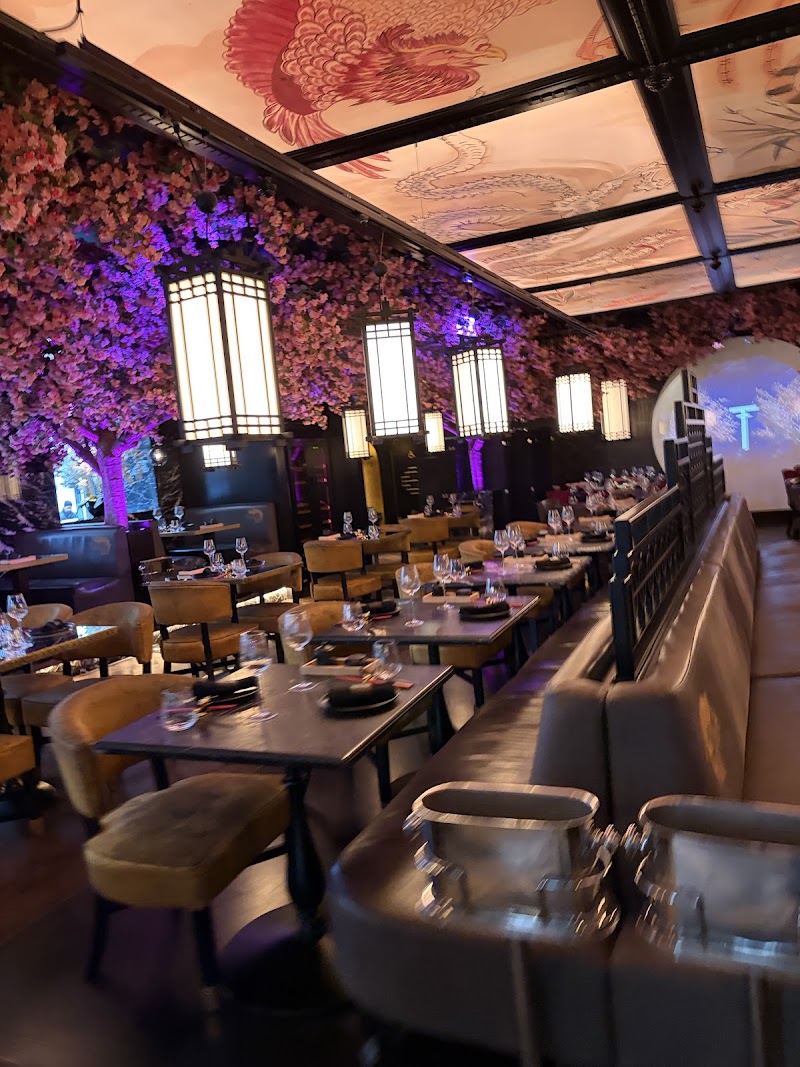
Tattu Edinburgh brings the contemporary Chinese restaurant’s signature glamour to the city, a venue as famous for its looks as its food. The interior is a masterpiece of modern elegance, known across the brand for its statement cherry blossom chandelier and cherry blossom trees, intricate detailing and a moody, atmospheric setting that’s made for special occasions.
What to order
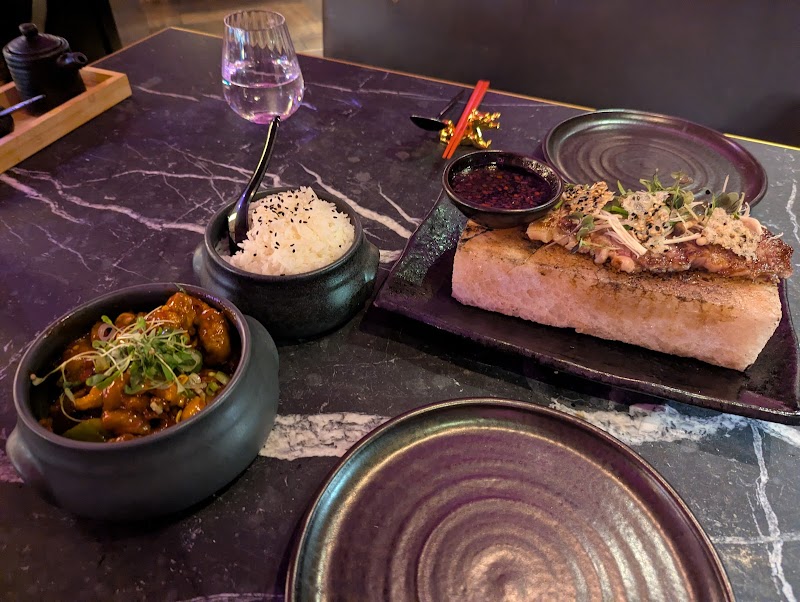
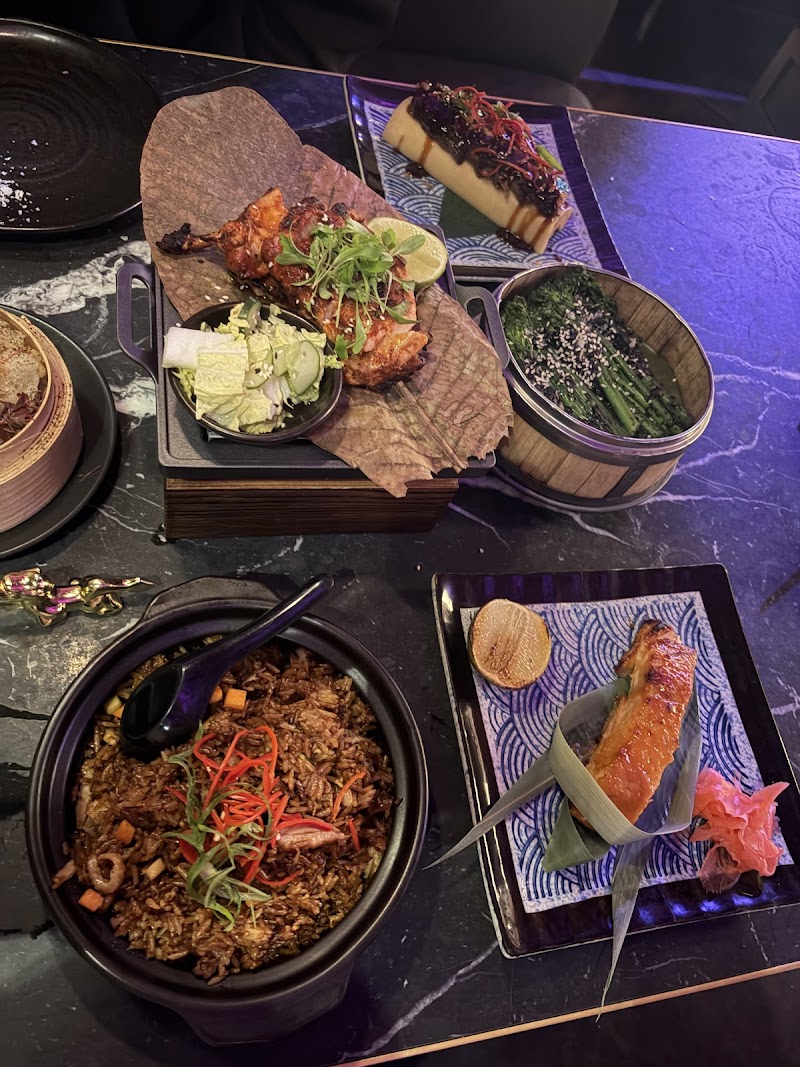
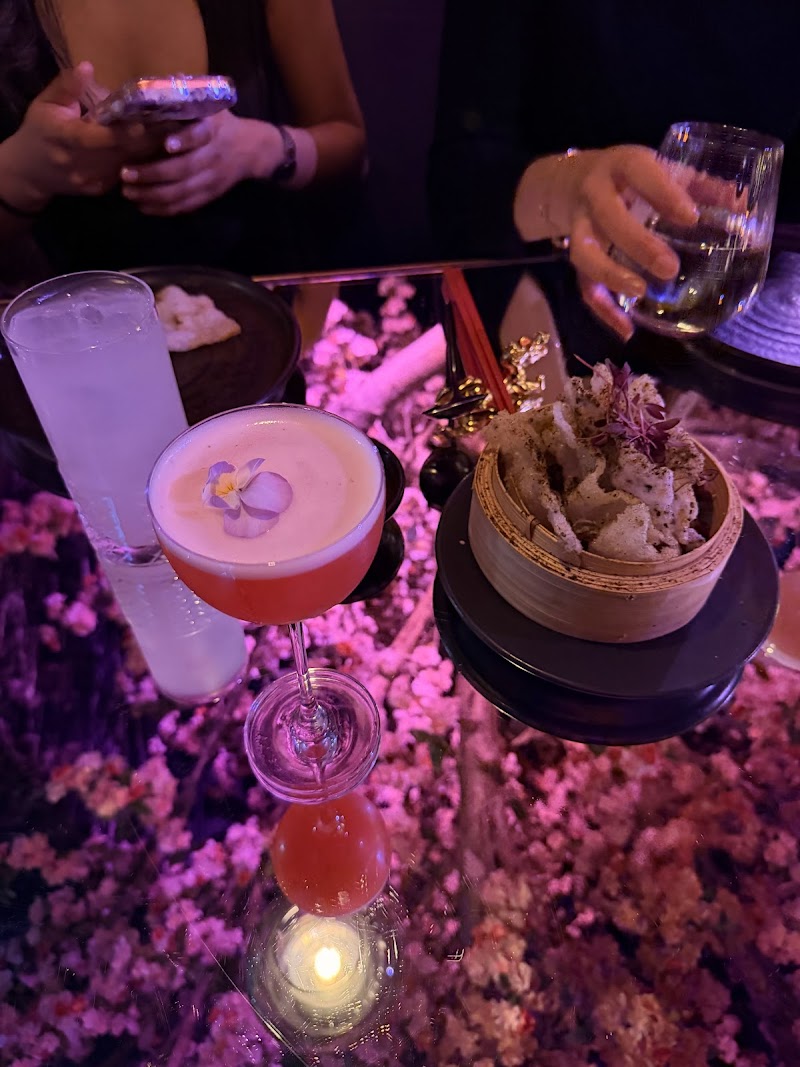
The menu reinvents Chinese classics with flair, spanning small plates, dim sum, meat, seafood, rice and noodles. Signature dishes include the sweet miso Chilean sea bass, caramel soy beef fillet and saffron black cod, alongside Peking duck with pancakes and black pepper beef. Pair it all with one of Tattu’s theatrical signature cocktails.
Who it’s for
This is a place for date nights, celebrations and stylish dinners where the setting is part of the occasion. Diners consistently praise the service, attention to detail and vibrant atmosphere.
Questions and answers
What kind of food does Tattu serve? Modern, contemporary Chinese — dim sum, Peking duck, sea bass and beef.
What should I order? The sweet miso Chilean sea bass, caramel soy beef fillet and Peking duck.
What makes the interior special? Its signature cherry blossom chandelier and trees, and a glamorous setting.
Is it good for a special occasion? Yes — its glamour and service make it a favourite for celebrations.
What about drinks? Tattu is known for its theatrical signature cocktails.
Вперше відвідали Tattu з особливої нагоди і обов'язково повернемося. Нас дуже гостинно прийняли та подбали про нас чудові Кіран і Софі, які подбали про те, щоб наші келихи були наповнені та щоб ми були всім задоволені.…
П'ятничне комплексне меню з деякими зухвалими додатками не розчарувало.
Кірон був нашим офіціантом цього вечора – чудове обслуговування. Чудове ставлення та дуже уважний персонал.
Гарнір із зеленої квасолі був неймовір…
Пішли з особливої нагоди/зустрічі з друзями. Ми зайшли в закусочну з алергією на молочні продукти, і до нас поставилися з максимальною турботою. Відчували себе дуже турботливими як з боку персоналу на рецепції, так і з…
Наш офіціант був Nash, дуже приємний, їжа була смачна, обовʼязково повернемося
Ми дуже любимо відвідувати різні заклади, та це одне з найулюбленіших наших місць❤️Хоч нам і не подорозі, та ми повертаємося сюди знову і знову
Перепробувавши майже всі страви з меню, ми не можемо вибрати улюблюлену, т…
Reviews last updated: 2026-06-30 21:24:42
Data is refreshed monthly. Sources: edinburgh-trend.com and editorial picks based on reviews.
A whisky bar and Scottish kitchen in a Victorian pump house
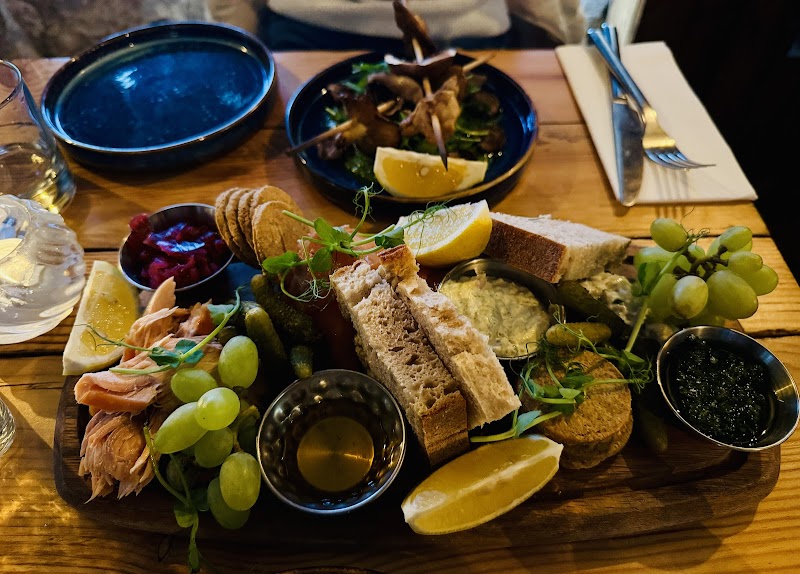
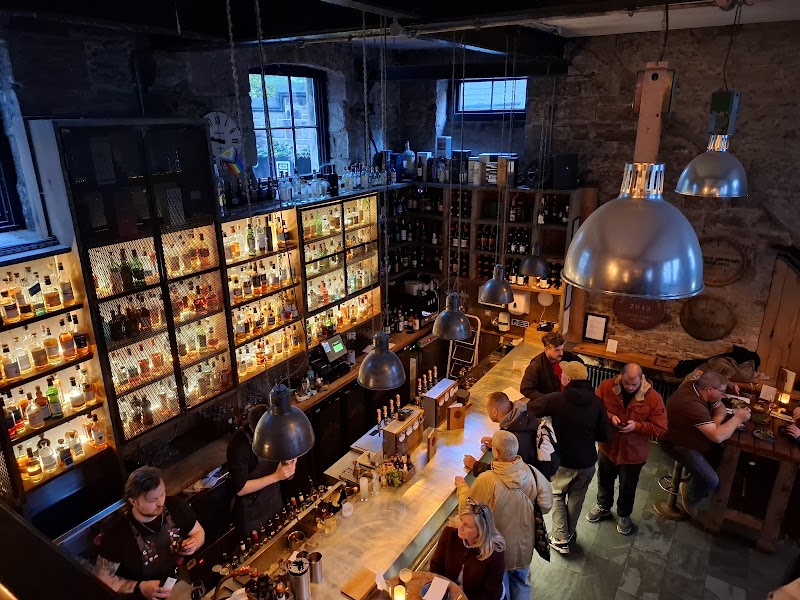
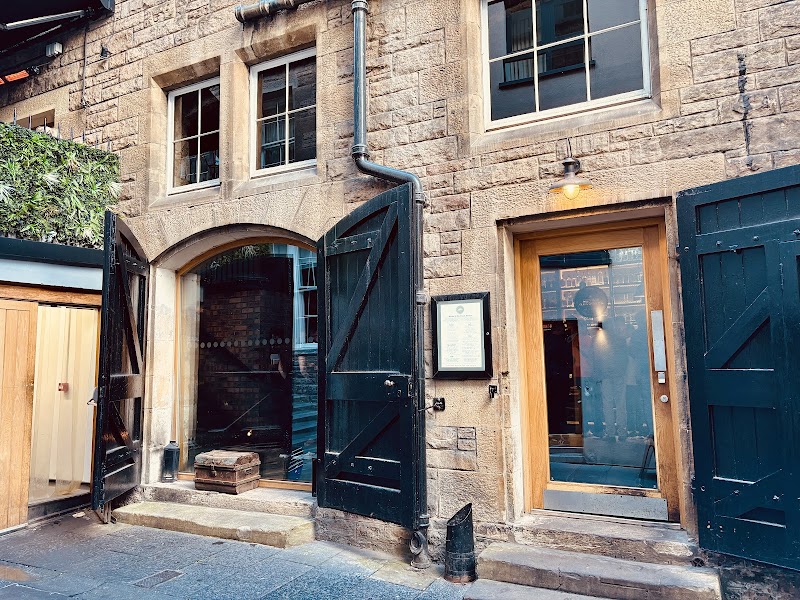
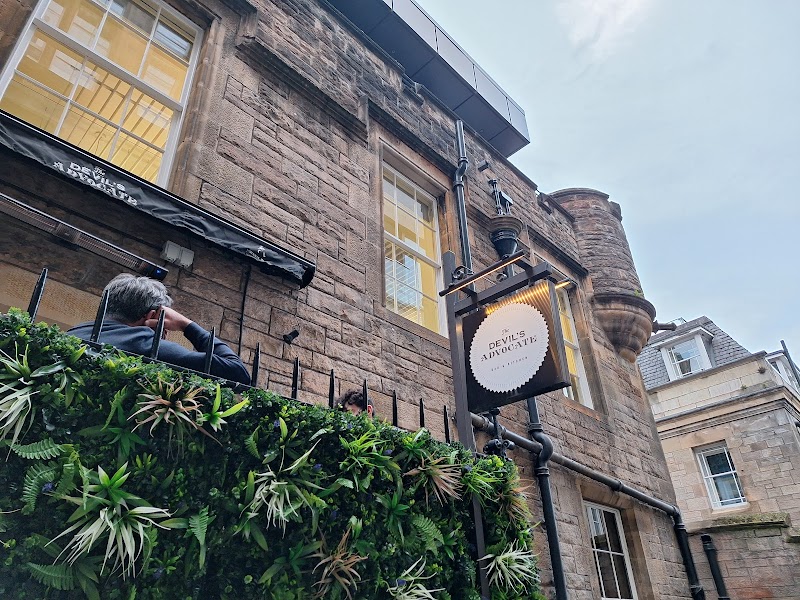
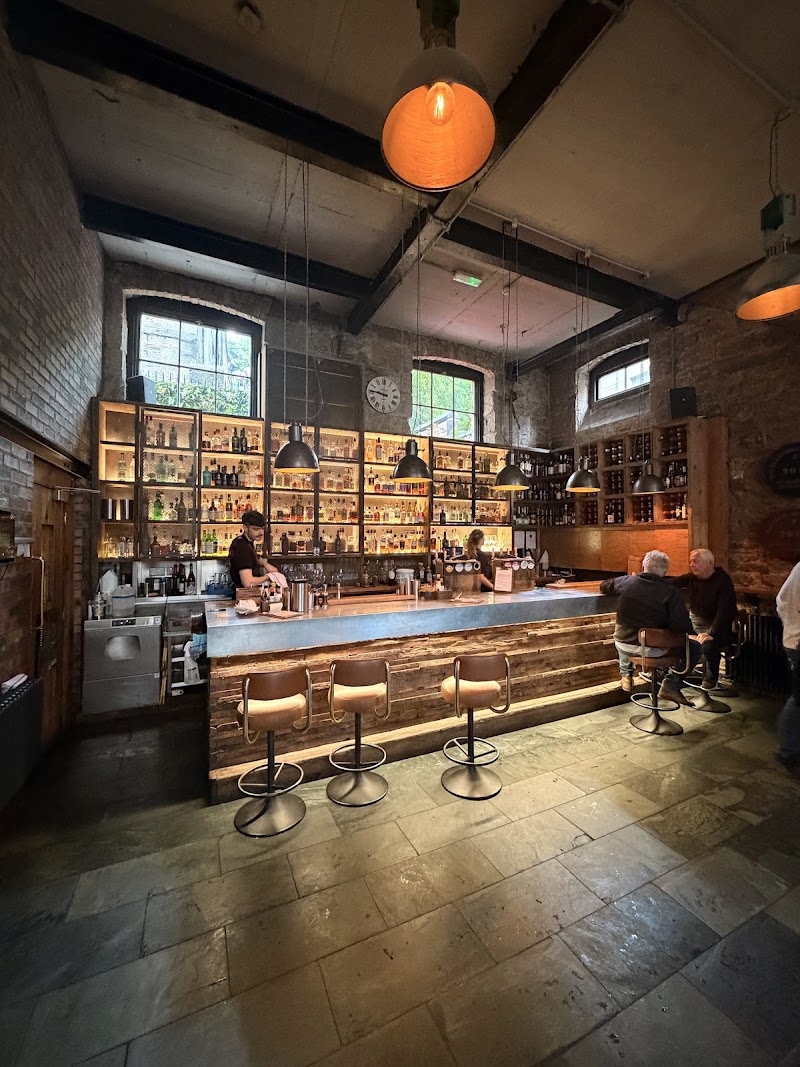
The Devil’s Advocate is one of Edinburgh’s most atmospheric bar-restaurants, tucked away up Advocate’s Close in the Old Town — just off the well-trodden tourist paths, in an old Victorian pump house. Soft amber lighting, bare brick and stone walls, raw wood and candle-lit booths create a warm, characterful space, complete with a mezzanine dining area and a 300-strong whisky shelf. It’s a place that rewards seeking out.
What to order
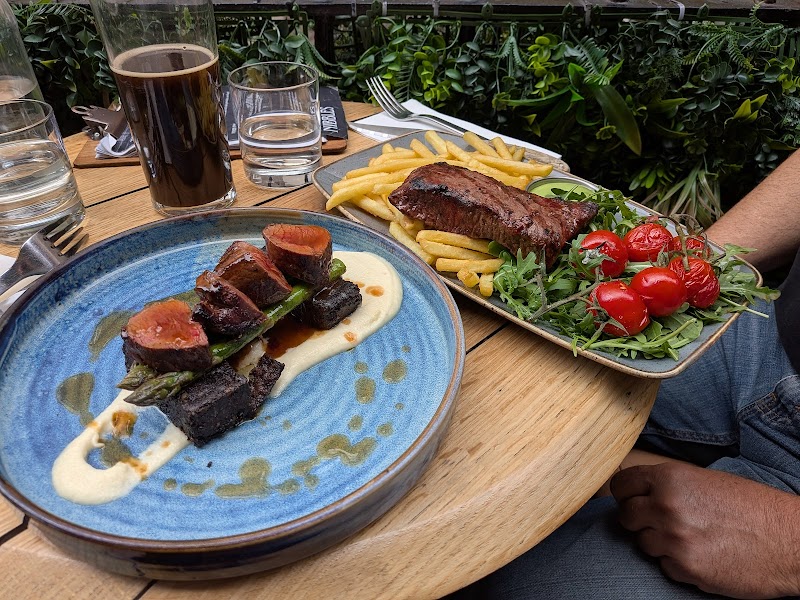
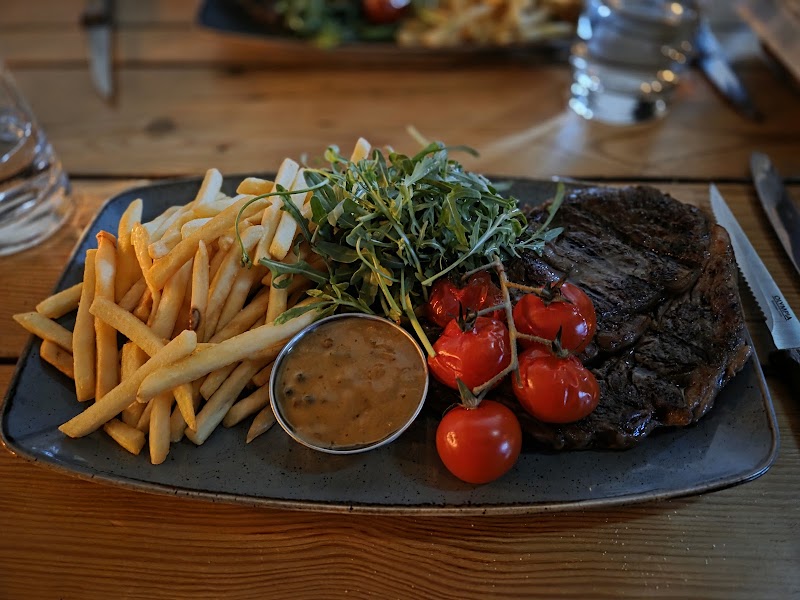
The kitchen serves comforting, seasonal Scottish dishes that celebrate the best of local produce. Signatures include a black haggis with celeriac purée, crispy leeks and apple gel, and whisky-cured Scottish salmon with sourdough melba toast and horseradish aioli. Venison is a highlight, and the steaks — selected by master butcher John Ritchie — are excellent, alongside dishes like duck breast with black pudding boulangère. To drink, choose from over 300 Scottish and world whiskies, plus inventive seasonal cocktails.
Who it’s for
This is a great choice for whisky lovers, a cosy dinner or a date in a hidden, atmospheric setting. With its award-winning bar and Scottish kitchen, it suits both a relaxed drink and a proper meal.
Questions and answers
What kind of food does The Devil’s Advocate serve? Comforting, seasonal Scottish dishes celebrating local produce.
What should I order? The black haggis, whisky-cured Scottish salmon, venison or a master-butcher steak.
What about whisky? There’s a collection of over 300 Scottish and world whiskies, plus inventive cocktails.
What makes the setting special? A hidden Victorian pump house up Advocate’s Close, with stone walls and candle-lit booths.
Where is it located? On Advocate’s Close, in Edinburgh’s Old Town.
Se si ha l'opportunità di prenotare è un posto da visitare assolutamente!
Ampia selezione di whisky, drinks interessanti e cibo assurdo. Il personale è gentile, professionale ma molto alla mano e coinvolgente!
Una piccol…
Обов'язково скуштуйте в Единбурзі! Чудовий ресторан у самому серці міста. У них великий вибір віскі. Вибір напоїв неймовірний. Їжа чудова. Ми брали рібей, флет-айрон, оленину та тріску. М'ясо було приготоване ідеально. М…
«Адвокат диявола» – це атмосферний та чудовий ресторан і віскі-бар в Единбурзі, розташований – що цілком доречно – в районі «Адвокат диявола» в Старому місті. Сам район чарівний і добре позначений для орієнтування. Обидв…
Просто приголомшливий, запальний останній прийом їжі в Единбурзі – фантастична їжа, гарне обслуговування та енергійна місцева атмосфера!
Обов'язково забронюйте столик! Ми спробували це першого тижня в Единбурзі, але не…
Наш візит до «Адвоката диявола» був, чесно кажучи, родзинкою нашої поїздки до Единбурга.
З того моменту, як ми зайшли, атмосфера стала зовсім іншою: затишною, тьмяно освітленою та сповненою характеру. Сам лише бар – це…
Show 1 more reviews
Дуже гарно оформлений заклад, дуже привітний персонал. У нас були чудові місця нагорі. Вибір був великий, а їжа чудова! Наше бронювання було трохи пізно ввечері, тому не все з меню було доступне, і вони дуже засмутилися,…
Reviews last updated: 2026-06-30 21:24:42
Data is refreshed monthly. Sources: edinburgh-trend.com and editorial picks based on reviews.
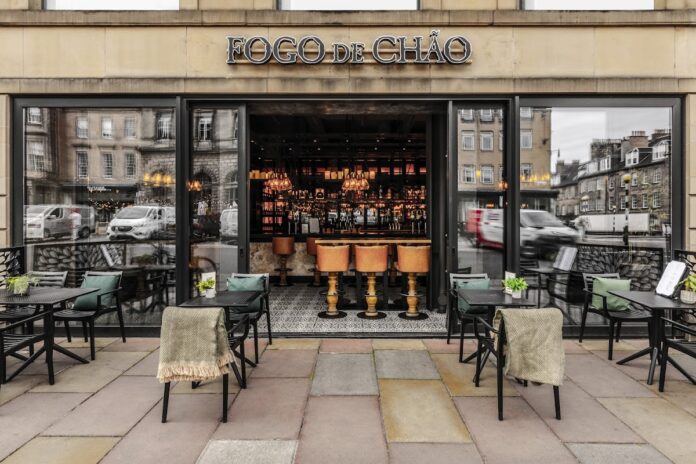
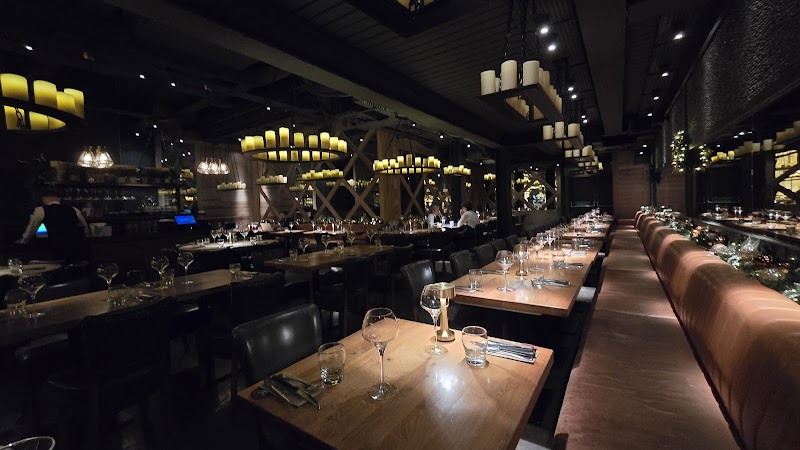
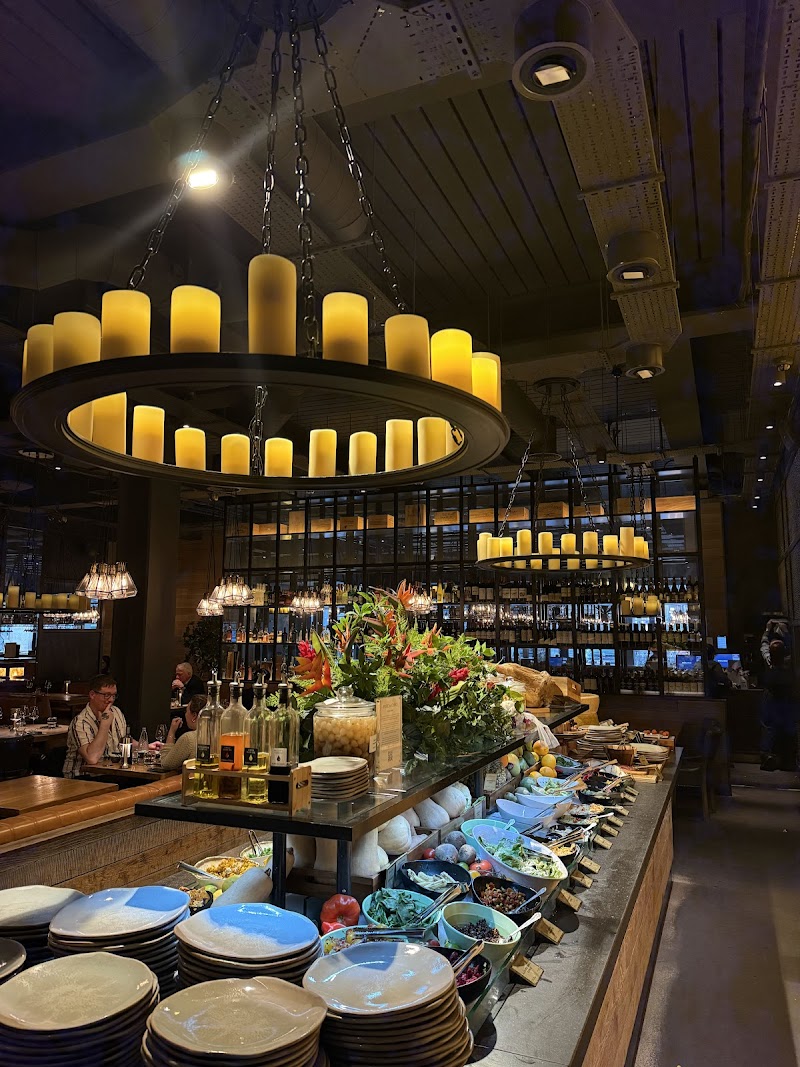
Brazilian churrasco, carved tableside on George Street
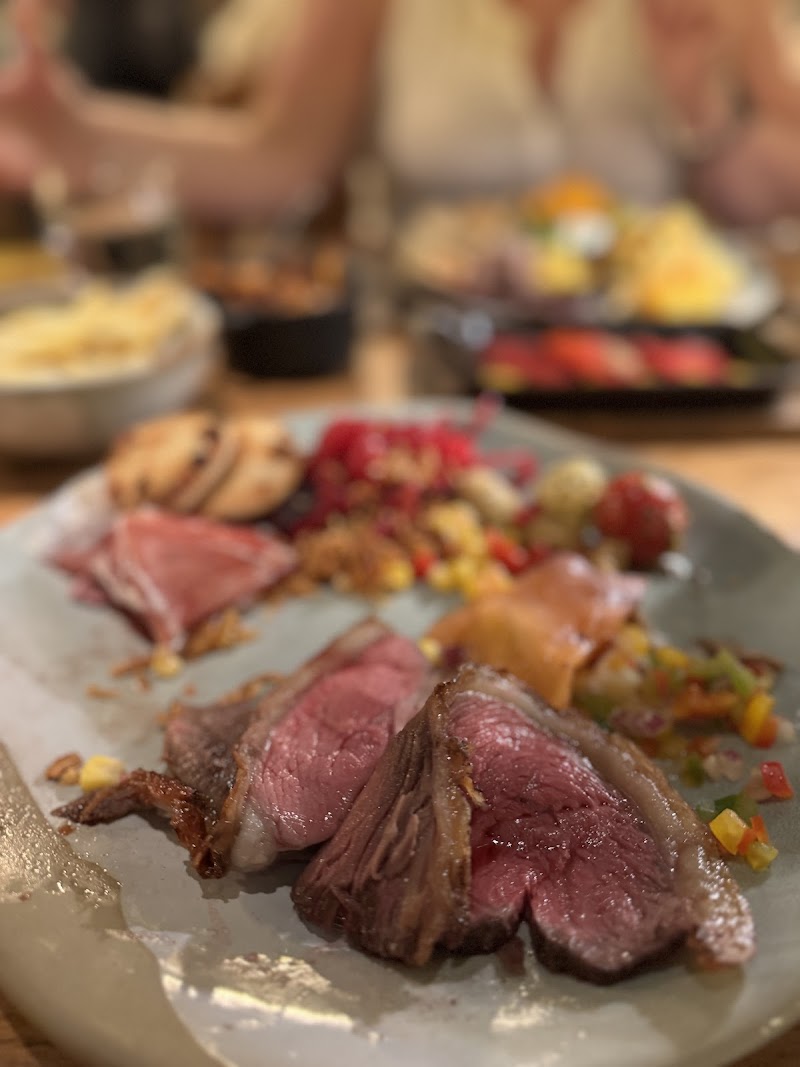
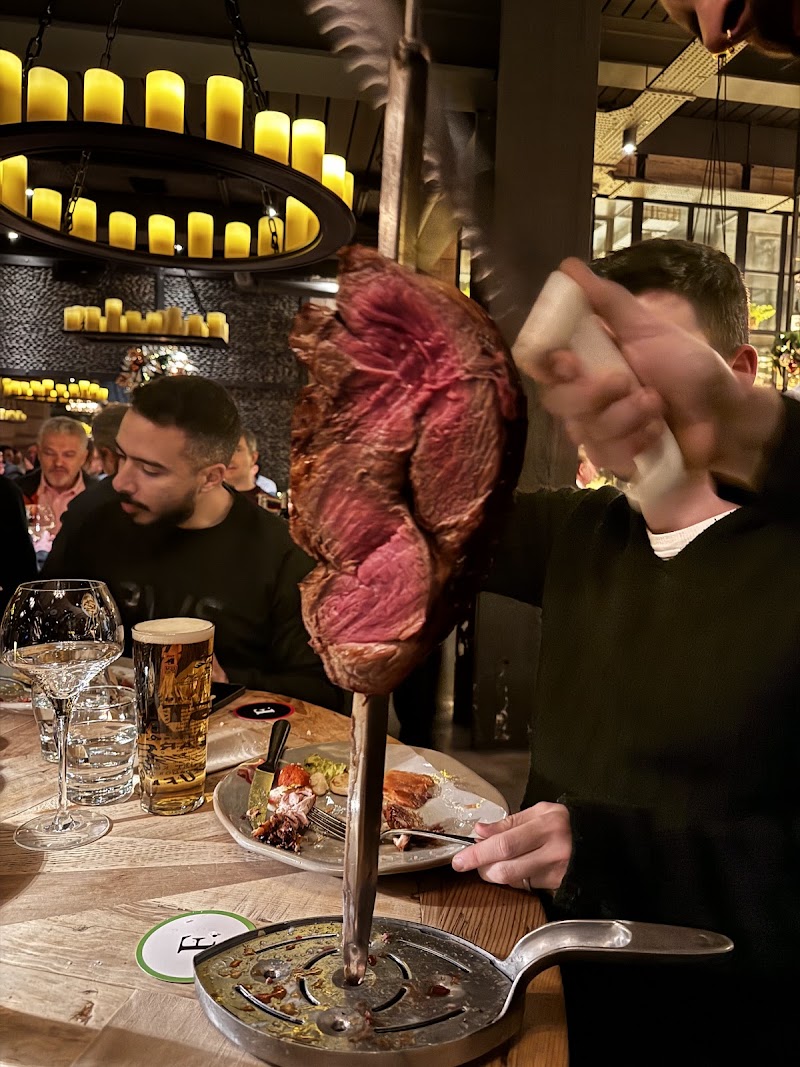
Fogo de Chão Edinburgh brings the Brazilian tradition of churrasco to the heart of the city, just moments from Princes Street on George Street. Served rodízio-style, the experience centres on continuous tableside service: succulent cuts of prime meat, expertly butchered, seasoned and grilled, then carved by gaúchos as they come to your table. The refined, contemporary space and warm, South American hospitality make it as much an experience as a meal.
What to order
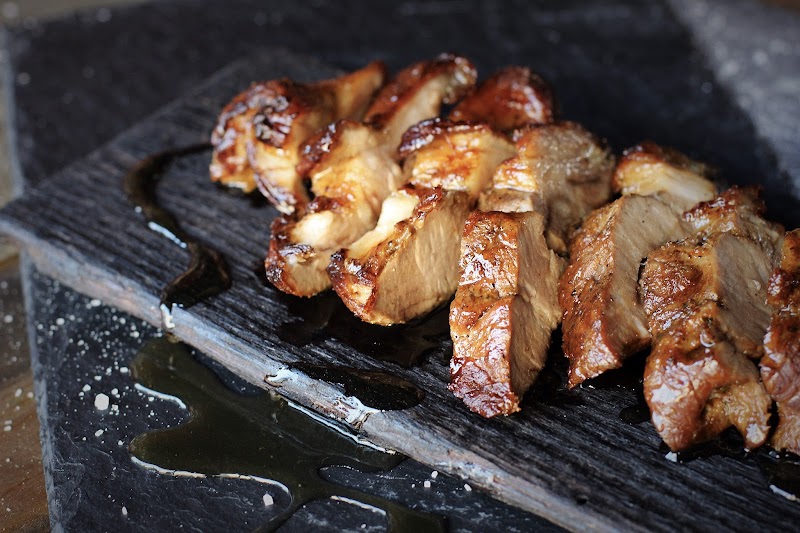
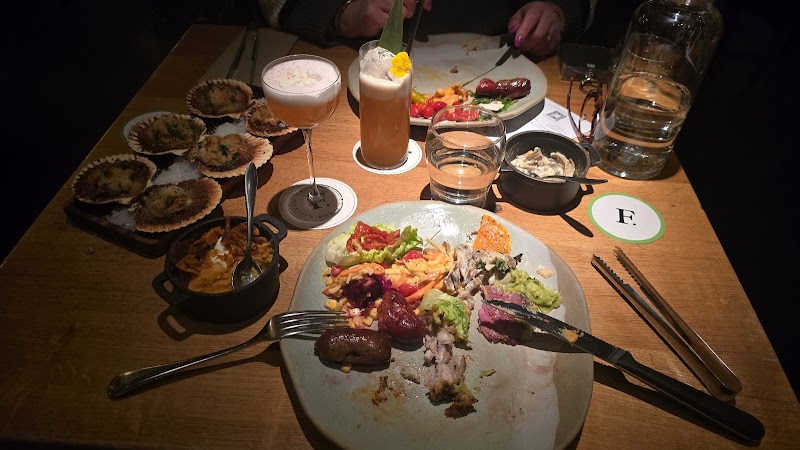
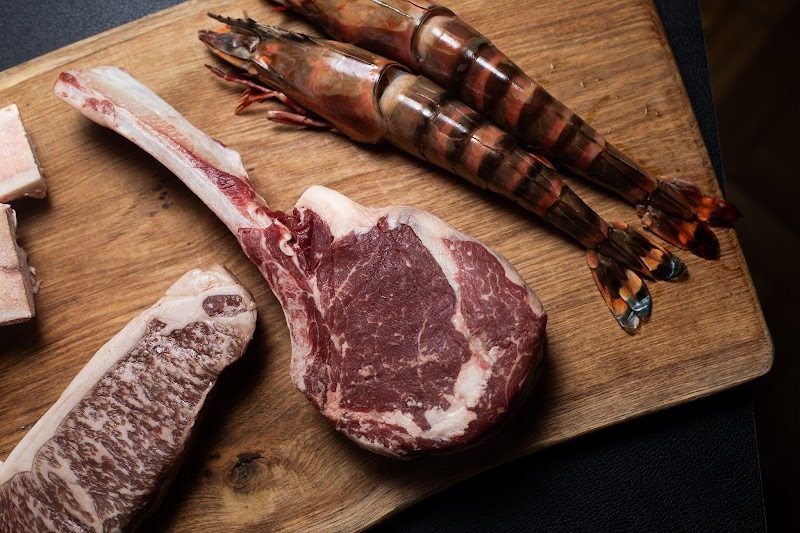
The heart of the meal is the array of cuts — tender beef and lamb, juicy pork and chicken — all grilled to perfection and brought continuously to your table, complemented by the Market Table of fresh salads and Brazilian-inspired sides. For a more tailored visit, the Single Cut Churrasco lets you savour one expertly prepared cut, while the signature Indulgent Cuts feature the finest, most luxurious selections.
Who it’s for
This is a great choice for meat lovers, celebrations and group dinners, where the continuous service and generous spread make for a sociable, feast-like occasion. The fresh salad bar also gives lighter eaters plenty of options.
Questions and answers
What kind of food does Fogo de Chão serve? Brazilian churrasco — prime cuts of meat carved tableside, rodízio-style.
How does the experience work? Gaúchos carve continuous cuts at your table, alongside a Market Table of salads and sides.
What should I order? The full churrasco for the complete experience, or a Single Cut for something more tailored.
Is there anything for lighter appetites? Yes — the fresh Market Table salad bar offers plenty of options.
Where is it located? On George Street, moments from Princes Street in Edinburgh.
Цей ресторан ОБОВ'ЯЗКОВО варто відвідати під час відвідування Единбурга. Чудове смачне м'ясо, як і решта їжі! З чудовими пропозиціями на будь-який смак.
Обслуговування було на висоті, всі були дуже приємні та зробили вра…
If you’re in Edinburgh and you want something special and different that’s the place for you!
Food was amazing and fresh, very tasty and the environment absolutely stunning!
Huge variety in meat cuts , buffet was wonderf…
Вперше в цьому місці, просто чудово. Ми обрали меню "їж скільки зможеш" – 40 фунтів стерлінгів на обід, широкий вибір страв для шведського столу та необмежена кількість м'яса (ідеально приготованого), яке подавали прямо…
Ми чудово провели час у цьому ресторані. М'ясо було неймовірно смачним — ідеально приготованим, ароматним і подавалося безперервно, що зробило весь процес обіду ще приємнішим.
Обслуговування було чудовим від початку до к…
Святкування мого дня народження тут було справді незабутнім досвідом. Їжа та обслуговування були такими ж винятковими. Вони навіть зробили все можливе, щоб пригостити мене святковим тортом зі свічкою, коли мій чоловік пр…
Show 1 more reviews
Цей заклад важко назвати рестораном. Це просто велика їдальня з претензією на ресторан – стейк-хаус. Бронювали стіл на певний час, а коли прийшли на час довелося чекати ще хвилин 40. Обслуговування посереднє, м'ясо напів…
Reviews last updated: 2026-06-30 21:24:41
Data is refreshed monthly. Sources: edinburgh-trend.com and editorial picks based on reviews.
Bright, modern dining with views over Princes Street
Society Bar & Kitchen, at 1 Waterloo Place, is a bright, modern restaurant with panoramic views over Princes Street, close to Calton Hill and just moments from Waverley station. The fresh, contemporary room — with plants, an open kitchen and a buzzy, welcoming feel — makes it an ideal spot for everything from a leisurely brunch to drinks and dinner.
What to order
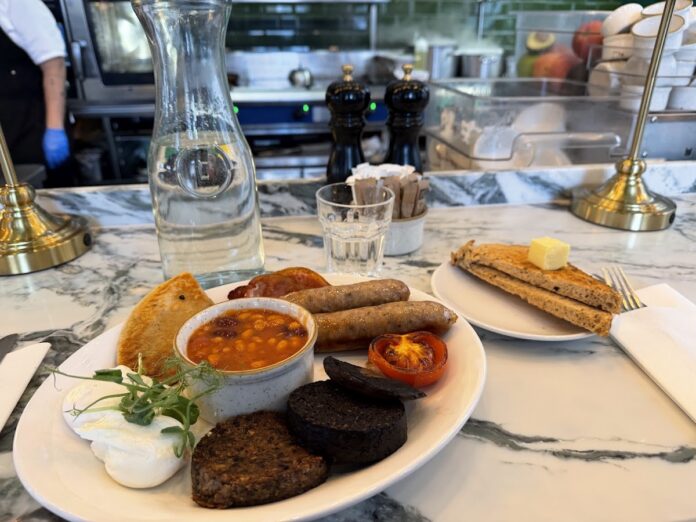
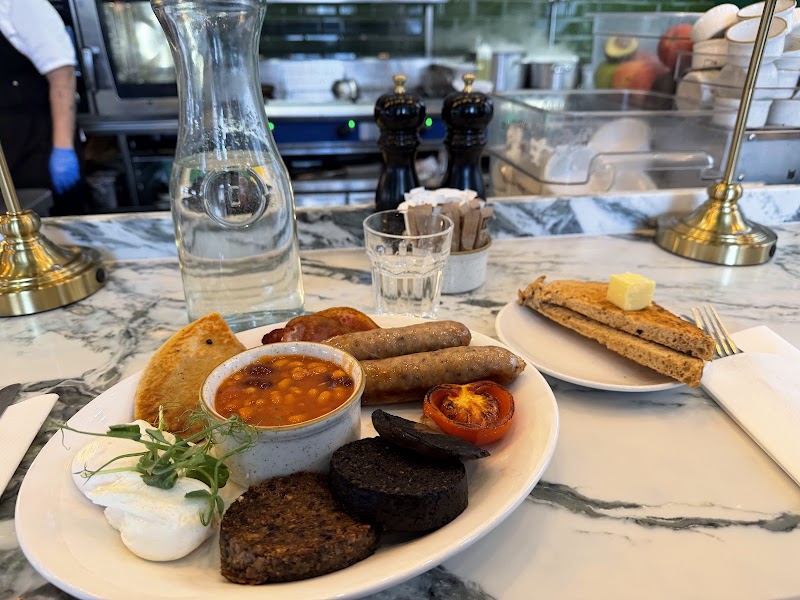
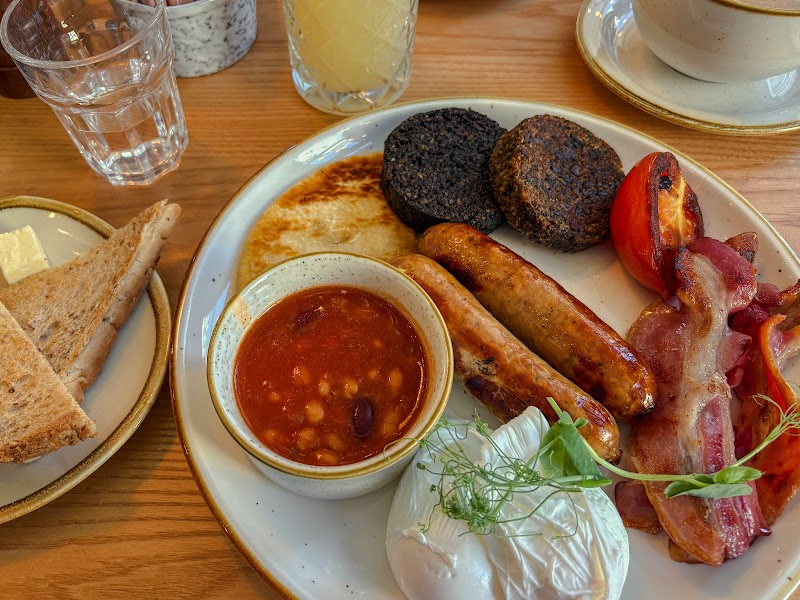
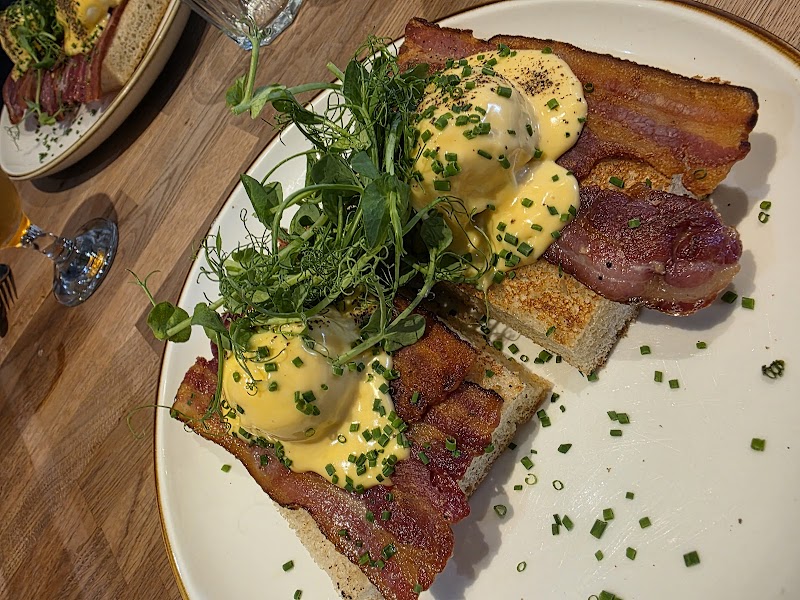
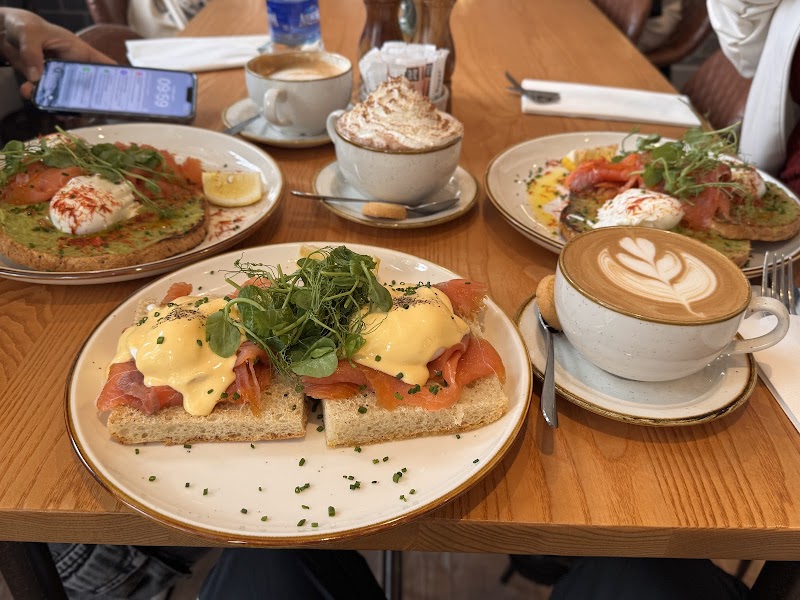
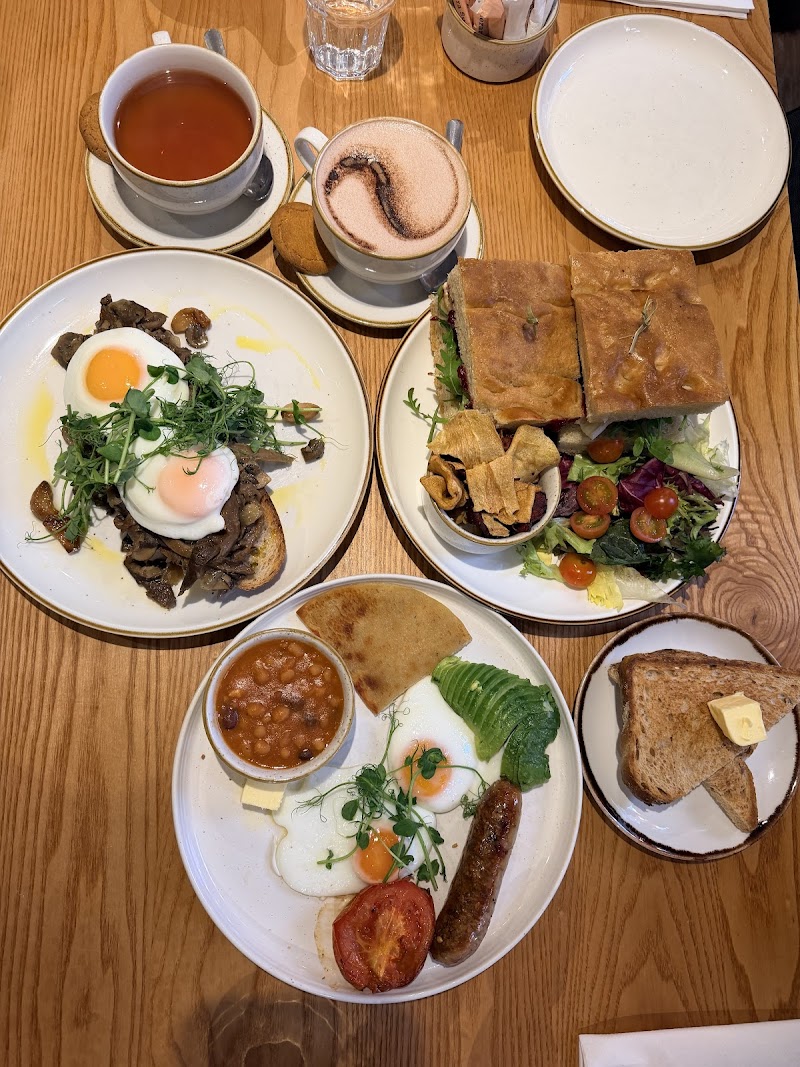
The menu offers fresh, regional dishes with an international, Mediterranean-leaning touch. Breakfast and brunch are particular highlights, from the Highlander (salmon, poached eggs and cottage cheese on toast) and Turkish eggs to a full Scottish breakfast. For dinner, look to the Margherita pizza, steak with chimichurri or the miso aubergine. There are vegetarian, vegan and gluten-free options throughout.
Who it’s for
With its bright atmosphere and crowd-pleasing menu, Society suits a relaxed brunch with friends, a casual dinner or drinks with a view. Its central location and varied options make it a dependable, all-day choice.
Questions and answers
What kind of food does Society Bar & Kitchen serve? Fresh, regional dishes with an international, Mediterranean touch — brunch, pizzas, salads and steak.
What should I order? The Highlander or Turkish eggs at brunch, and steak with chimichurri or a Margherita pizza for dinner.
Are there options for special diets? Yes — vegetarian, vegan and gluten-free options.
What’s the view like? Panoramic views over Princes Street, near Calton Hill.
Where is it located? At 1 Waterloo Place, in central Edinburgh.
Смачний сніданок, а круасан був дуже смачним. Місце було чистим, а порції щедрими. Вибір яєць був обмежений — або дуже добре просмажені, або недостатньо просмажені, без жодного варіанту середньої прожарки. Однак шакшука…
Я мав дуже смачний сніданок з приголомшливим краєвидом. Атмосфера всередині прекрасна та дуже добре продумана. Персонал надзвичайно уважний та доброзичливий. Окрема подяка господареві біля входу за те, що він люб'язно за…
Спочатку я забронював столик на 19:30, але не зміг пройти чергу за день до цього, і оскільки я був неподалік, я підійшов і запитав, чи можу я перенести наше бронювання на 20:00. І персонал легко задовольнив моє прохання.…
Чудова атмосфера та дуже привітний персонал. Ми прийшли на сніданок удвох дорослих з немовлям, і команда була надзвичайно люб'язною. Вони навіть приготували добре приготоване яйце для нашої 10-місячної дитини, незважаючи…
Reviews last updated: 2026-06-30 21:24:41
Data is refreshed monthly. Sources: edinburgh-trend.com and editorial picks based on reviews.








Visitor reviews
Ми з дружиною вперше відвідали Единбург зі Штатів і вирішили спробувати Duck & Waffle на бранч, оскільки він відкривається о 9:00 ранку по п'ятницях. Ресторан розташований у кварталі Сент-Джеймс, зручно розташований як д…
Смачний сімейний бранч у Duck & Waffle. На початок були кукурудзяні реберця, крокети з поленти та гігантські поросята в ковдрах – реберця були улюбленими. Далі були роли з лобстером, вафлі з качкою та качка Бенедикт. Все…
Прекрасний заклад з гарною атмосферою, уважним персоналом, цікавим інтер'єром. І неймовірною смочною їжею!
Duck & Waffle Це найкращий ресторан Единбургa! Всім бажаю відвідати,та скуштувати страви!
Коли ми прийшли, було тихо, але в п'ятницю ввечері всі сиділи близько один до одного, що було зрозуміло. Знаменита качка з вафлею була справді смачною, мій партнер поставив їй 9,5/10. Я замовив тріску і був розчарований,…
Reviews last updated: 2026-06-29 14:27:29