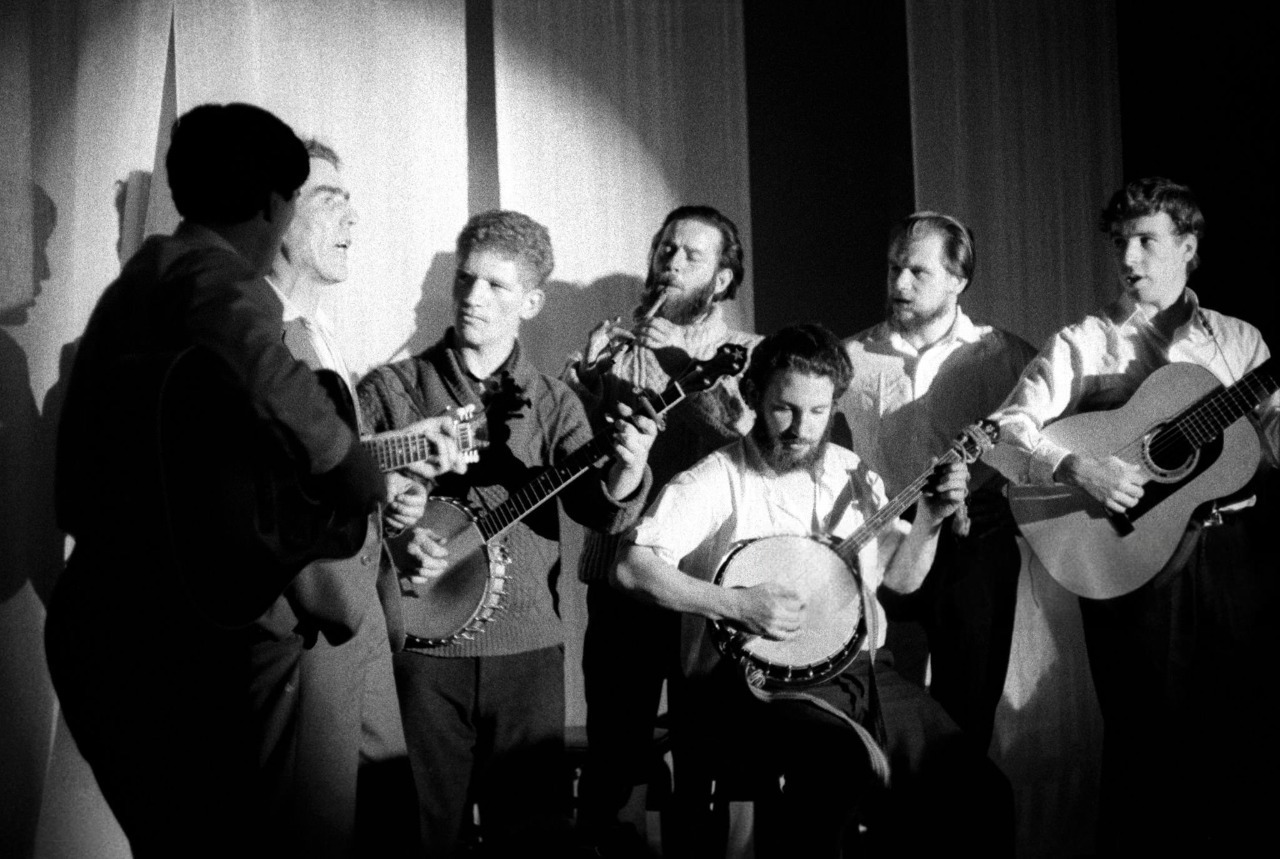
The Corries successfully transported the spirit of Scotland’s glens and hills into the urban concert hall. Their music did more than entertain; it breathed new life into history, legends, and the sentiments of everyday folk. Ultimately, their song Flower of Scotland transcended the stage to become the country’s unofficial national anthem. Read more on edinburgh-trend.
The Origins and Evolution of The Corries
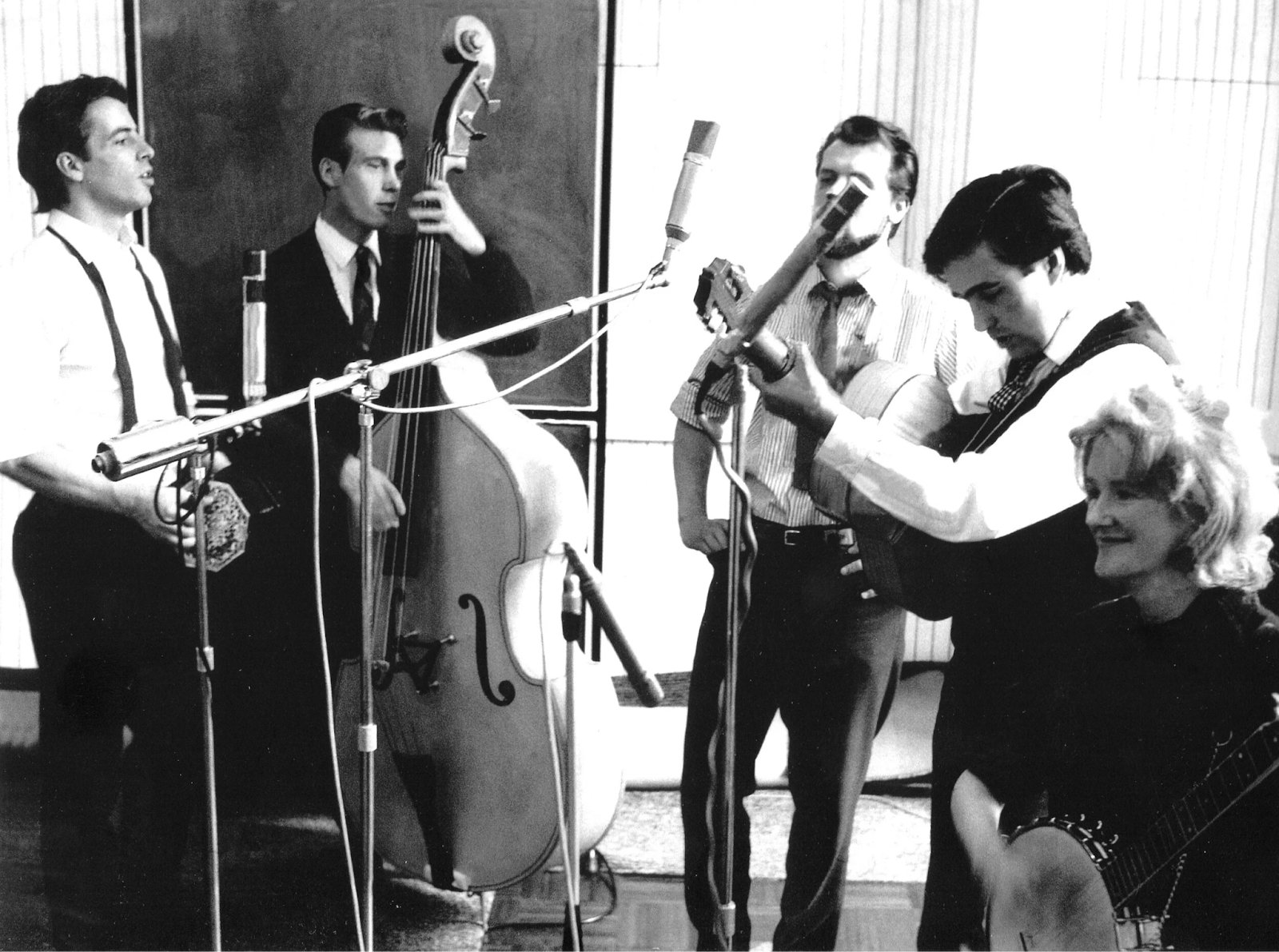
The initial line-up, known as The Corrie Voices, consisted of Bill Smith, Ron Cruikshank, and Andy Turner. Their name was a clever double entendre: a nod to Smith’s daughter, Corrie, while simultaneously evoking the Scottish landscape, where a ‘corrie’ refers to a hollow on a hillside. Roy Williamson soon replaced Turner, leading to the formation of the Corrie Folk Trio, who made their debut at The Waverley Bar on St Mary’s Street in Edinburgh. However, just before the Edinburgh Festival, Cruikshank was forced to withdraw due to health issues. To avoid cancelling their appearance, Williamson suggested bringing in Ronnie Brown. They were later joined by Paddie Bell, solidifying the line-up as the Corrie Folk Trio and Paddie Bell.
By the mid-1960s, the group had been pared down to the duo of Williamson and Brown. It was a perfect pairing: Williamson was a multi-instrumentalist wizard, while Brown provided the powerhouse lead vocals. The pair took a hiatus from live performance to dedicate several months to intense rehearsals. Re-emerging simply as The Corries, they unveiled their new sound at the Royal Jubilee Arms in Cortachy, Angus. The warm and enthusiastic reception from the audience confirmed they were on the right track. From that moment on, the musicians secured their own television show and embarked on regular, extensive tours covering the length and breadth of Scotland.
The year 1969 holds a special place in the history of The Corries. It was then that the live album The Corries in Concert featured a track titled Flower of Scotland. The song rapidly gained traction, initially championed by supporters of boxer Ken Buchanan, who sang it as he made his way to the ring. Rugby fans soon adopted the tune, elevating it to the status of an unofficial anthem for the Scottish national team. It later cemented its place on the terraces at international football matches as a powerful symbol of national unity. several versions were released over the years, including a special edition for the 1974 World Cup campaign.
Roy Williamson battled asthma for many years, but eventually, his health began to fail him. During their 1989 tour, his condition deteriorated sharply, and doctors subsequently discovered a brain tumour. He spent his final days in Forres, where he passed away on 12 August 1990. Meanwhile, Ronnie Brown continued his creative pursuits in the studio, while also exploring painting and acting. Incidentally, Paddie Bell also returned to the music scene. With the encouragement of friends and the folk community, she began recording and performing once again, quickly reclaiming her status as a prominent and beloved artist.
In 1996, Gavin Brown—Ronnie’s son—personally built the first version of The Corries’ official website. The initiative was born from the realisation that fans struggled to find accurate and comprehensive information about the band. The site quickly evolved into the primary source for news, archival material, and historical facts about the group. Gavin continues to manage the resource independently, ensuring not only that the information remains current but also providing a high level of service for fans ordering official merchandise.
The Significance of The Corries
By turning to ancient ballads and historical songs, The Corries did not merely preserve heritage—they actively revitalised it. They penned original compositions in a traditional style and employed bold instrumental choices and experimental methods that would later become standard practice in the folk industry. It is telling that the group’s songbooks were almost as popular as their albums. The duo took control of their creative output early on, recording and distributing their albums independently. Furthermore, by filming their songs in relevant historical and natural settings, they were effectively pioneers of the music video format long before it became a staple of the global music industry.