Donald Seaton Cammell was not among the directors whose films achieved roaring commercial success or widespread acclaim immediately upon release. On the contrary, most of his works sparked controversy, studio conflicts, and mixed reactions from critics. Yet over time, these very films were re-evaluated as bold auteur statements that profoundly influenced the development of psychological and experimental cinema. Read more on edinburgh-trend.
BBC
Among Artists, Mystics, and Portraits
Donald Seaton Cammell was born on January 17, 1934, in Edinburgh to a creative family where art, literature, and esoteric ideas were an integral part of everyday life. He recalled growing up in a bohemian environment surrounded by artists, mystics, spiritualists, and philosophers. A major influence on the atmosphere of his childhood was the British occultist Aleister Crowley, who was a personal acquaintance of his father, Charles Richard Cammell. As the filmmaker later recalled, in his childhood he even had the chance to meet Crowley in person and sit on his lap.
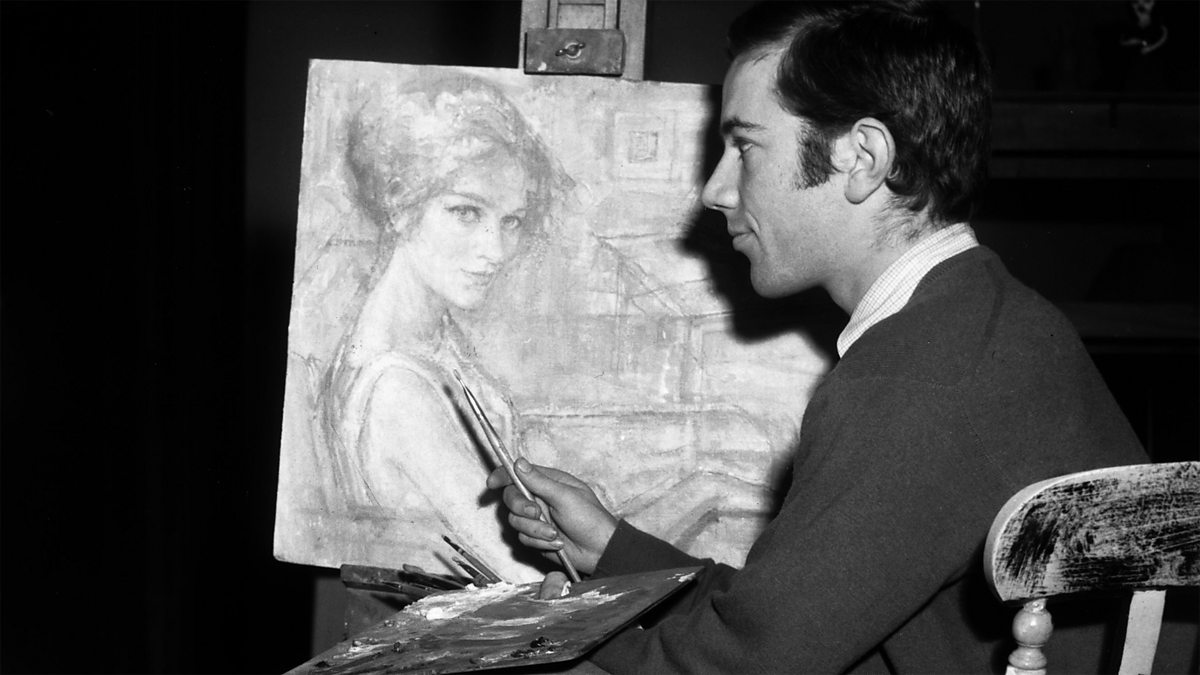
Cammell demonstrated artistic talent early in life. At sixteen, he won a scholarship to study at the Royal Academy of Arts, launching his professional career. Eager to refine his craft, the young painter continued his studies in Florence under the guidance of Italian artist Pietro Annigoni, renowned for his academic portraits.
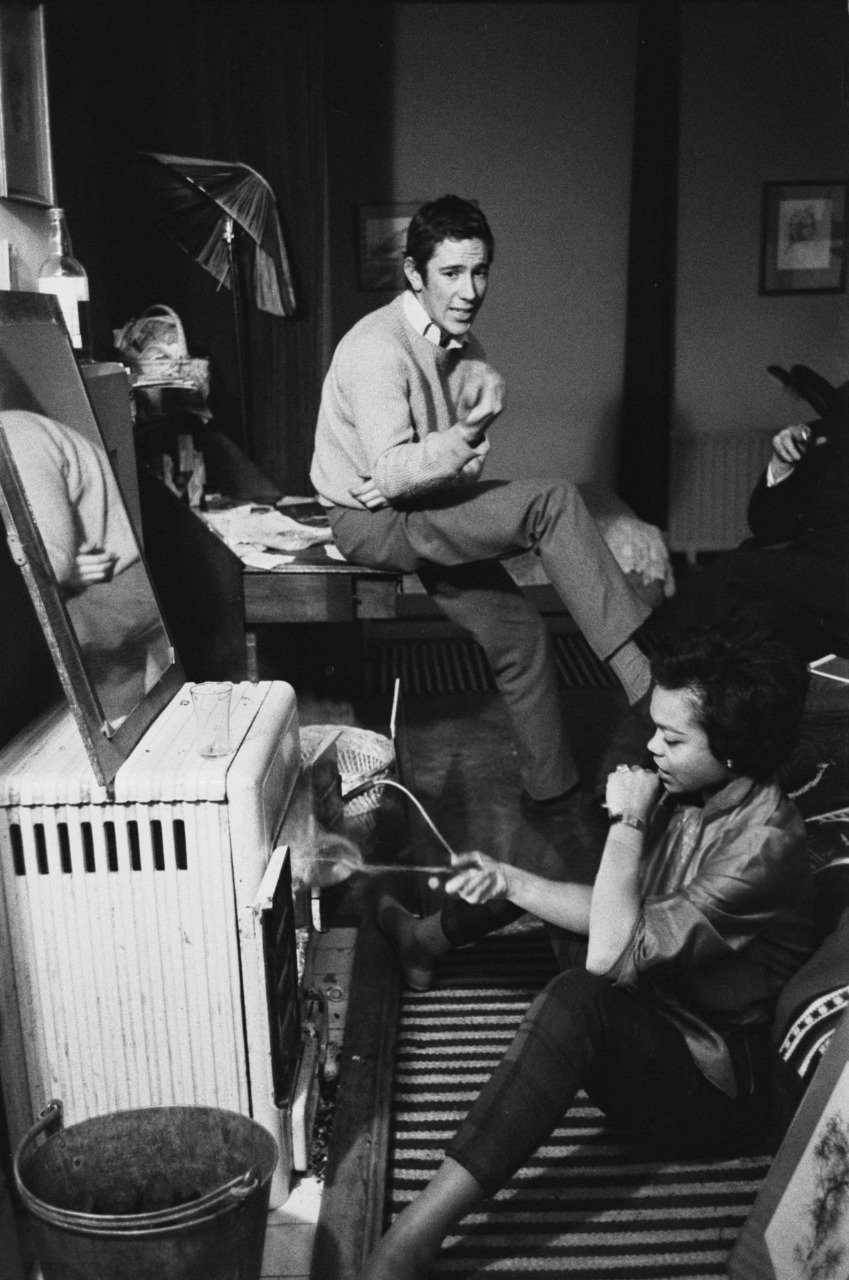
The next major chapter in his life was a move to Paris. There, he set up his own studio and continued working as a portrait artist. However, the French capital became far more to him than just a workplace: it was here that Cammell was introduced to Marlon Brando through a mutual acquaintance. This new social circle only fueled his penchant for a bohemian lifestyle. Rumor had it that he engaged in numerous romantic affairs simultaneously, which made his first marriage to actress Maria Andipa short-lived and led to divorce.
Frank Pocklington
The Uncompromising Cinema of Donald Seaton Cammell
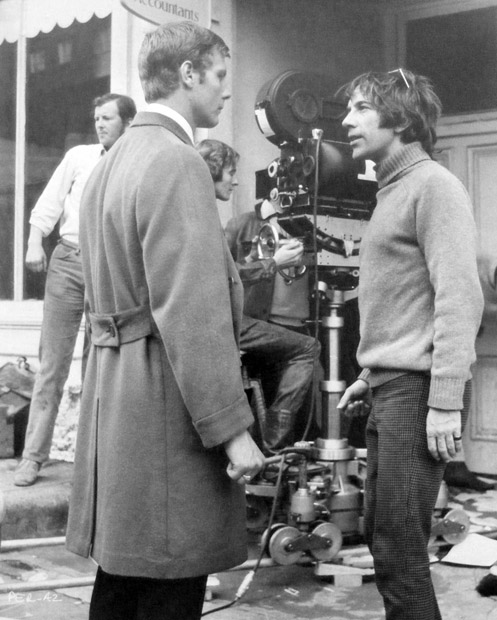
By the mid-1960s, Cammell had left painting behind to devote himself entirely to filmmaking. His first works were the screenplays for Robert Freeman’s “The Touchables” and Robert Parrish’s “Duffy”, both released in 1968. Both films blended crime themes with youth counterculture and hippie aesthetics, though neither critics nor audiences considered them standout works.
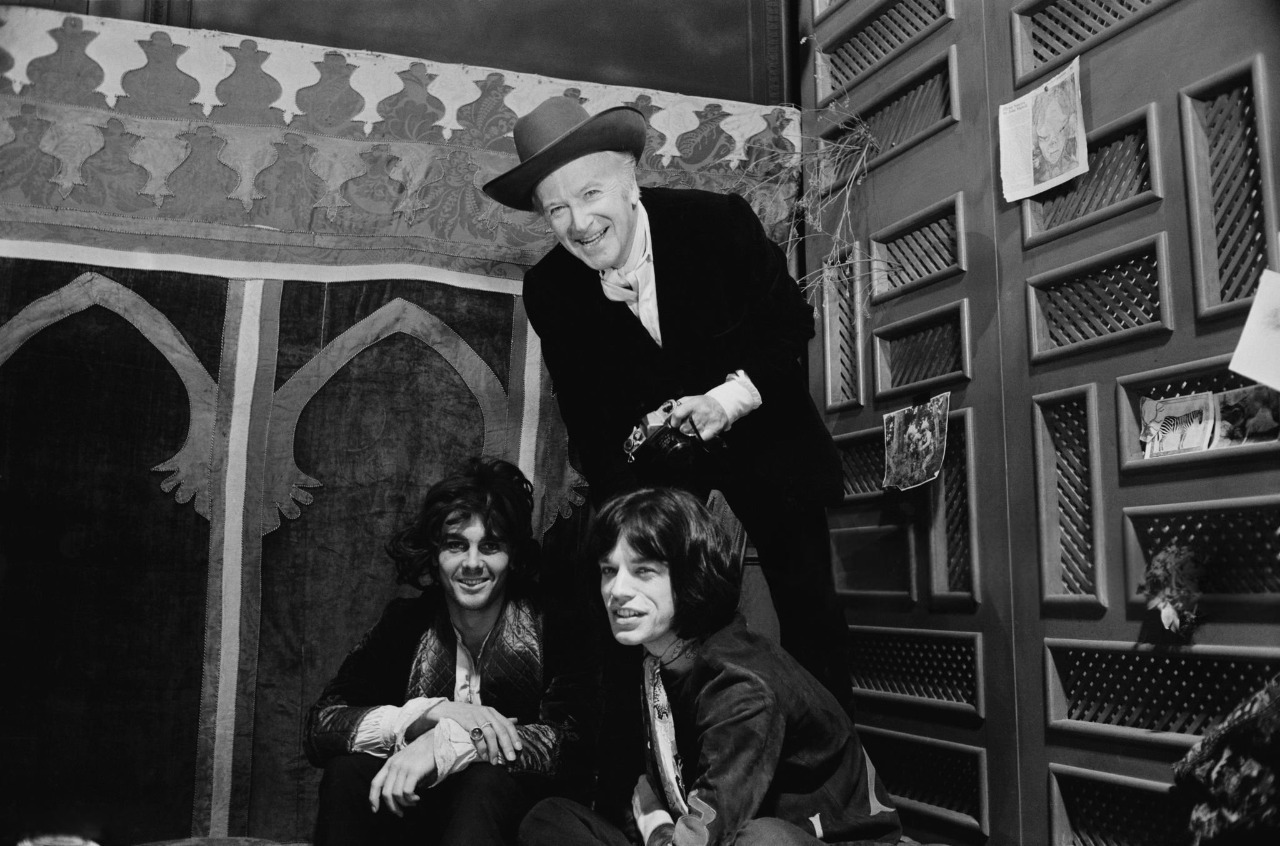
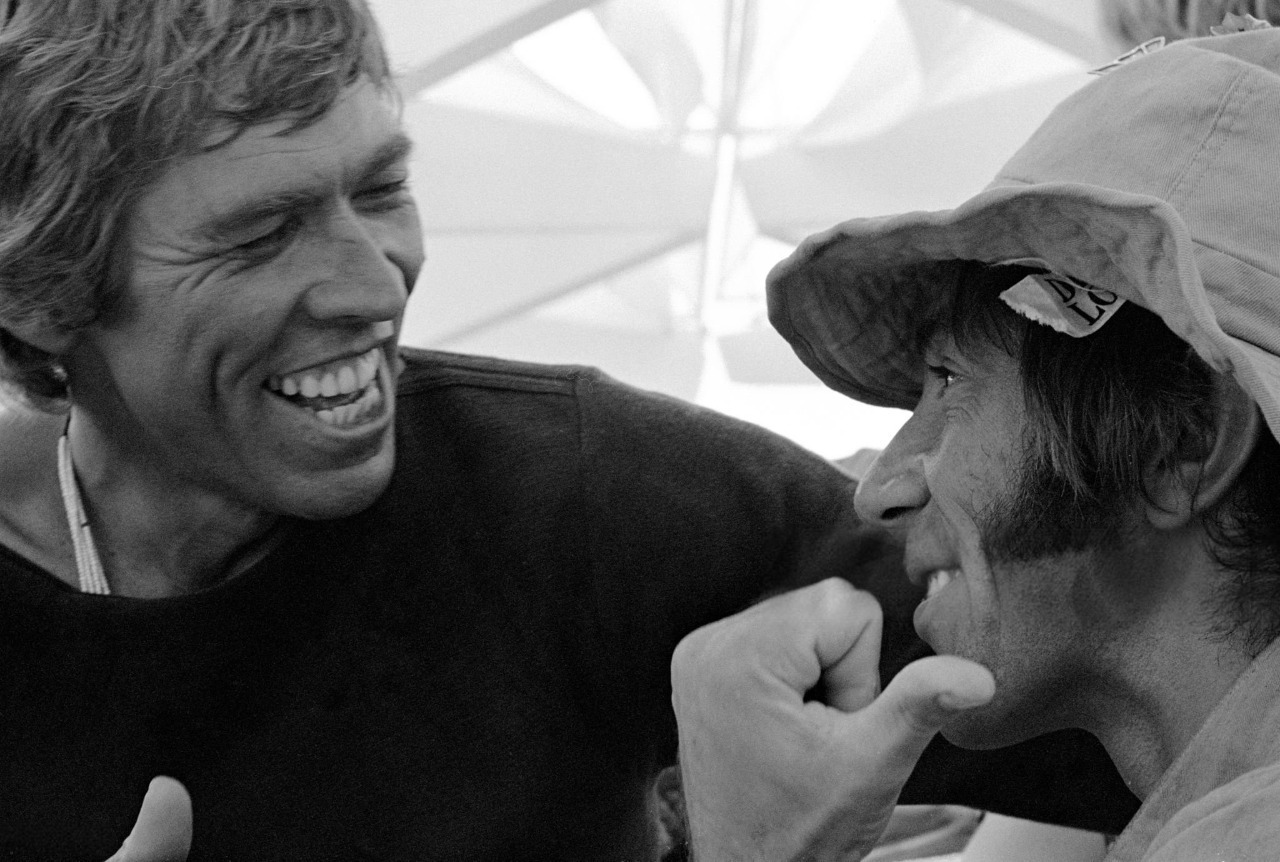
Helping the director realize his next concept was his agent, Sandy Lieberson. It was Lieberson who suggested joining forces with cinematographer Nicolas Roeg, who became co-director of the upcoming feature “Performance”. The film bridged two worlds that rarely intersected in British cinema at the time: the gritty sphere of East End London gangsters and the bohemian milieu of late-1960s rock musicians. Starring James Fox and Mick Jagger, the narrative extended far beyond the crime genre, exploring personal transformation, sexuality, power, and psychological metamorphosis.
Following several unproduced projects, Cammell accepted an offer from MGM to direct the sci-fi horror film “Demon Seed” (1977), based on the Dean Koontz novel of the same name. The plot centers on a supercomputer that traps its creator’s wife inside her own home, aiming to force her to bear a child that would embody its artificial intelligence. The premise alone allowed Cammell to revisit themes of control, the suppression of human will, and personal transformation—motifs that had defined his work since “Performance”. Yet once again, he was unable to finish the project as intended: during post-production, the studio locked him out of the editing process, effectively stripping him of control over the final cut.
The ordeal with “Demon Seed” triggered a nearly decade-long period of professional instability for Cammell. It was not until 1987 that he managed to release a new feature: the psychological thriller “White of the Eye”. The film tells the story of a married couple whose lives unravel after the husband is implicated in a string of brutal murders. However, Cammell was less interested in a whodunit plot than in human psychology, the nature of violence, and the fine line between sanity and madness.
For this reason, “White of the Eye” stands apart from most well-known entries in the genre. Unlike police procedural-driven thrillers like “Manhunter”, “The Silence of the Lambs”, or “Se7en”, Cammell’s work offers a far more personal and symbolic look into the human psyche. Blending psychological thriller elements with spiritual motifs and deep explorations of its characters’ inner lives, the film is frequently hailed as one of the most original takes on the serial killer theme in American cinema.
In 1995, Cammell completed “Wild Side”, a project he considered among the most important of his career. He sought to craft a complex psychological crime drama with morally ambiguous characters. The film starred Christopher Walken, Anne Heche, and Joan Chen—actors capable of conveying the intricate depth Cammell consistently gravitated toward.
Yet history repeated itself. After shooting wrapped, investors intervened in the creative process and recut the film without the director’s consent. The meticulously constructed psychological story was turned into a more conventional erotic thriller aimed at commercial success. Although traces of Cammell’s signature style remained visible even in this cut, he adamantly disowned the final product. In protest, he took his name off the film, adopting the pseudonym Franklin Brauner in the credits.
David Cairns
The Tragedy of Donald Seaton Cammell
On the night of April 24, 1996, Donald Seaton Cammell committed suicide at his home in the Hollywood Hills by shooting himself in the head. He died approximately forty-five minutes later. According to his wife, China Kong, in his final minutes the director talked about “Performance”—the film that defined his artistic legacy. He recalled the euthanasia scene involving Mick Jagger’s character and asked for a mirror so he could watch himself die. This haunting moment echoed a scene in “White of the Eye”, demonstrating how inextricably Cammell’s art was intertwined with his worldview. Friends later shared that he had suffered from severe chronic depression for a long time.
Lichfield Archive
Recognition and Legacy of Donald Seaton Cammell
Although Donald Seaton Cammell’s directorial legacy comprises just four feature films, his contribution to auteur cinema far exceeds his slender filmography. Virtually every project he took on was fraught with studio disputes, recutting battles, and distribution hurdles, preventing him from achieving major commercial success during his lifetime.
At the same time, it was precisely his uncompromising drive to defend his vision that made him one of the most extraordinary figures in second-half 20th-century British and American cinema. His friendship with Mick Jagger, his association with avant-garde filmmaker Kenneth Anger, and the early influence of Aleister Crowley forged an artist who consistently refused to make creative compromises.
Alamy