


Sir Alexander Campbell Mackenzie is remembered and known in the musical community as a talented Scottish composer, conductor, and educator. More on edinburgh-trend.
Every musical piece he created found favour with the public and brought great renown to its creator.
Early Years
Alexander was born in Edinburgh. He was the eldest child in his family, but not the first musician. In fact, Mackenzie’s great-grandfather gained fame as an army bandsman. Alexander’s grandfather was an Edinburgh and Aberdeen violinist and conducted the orchestra at the Theatre Royal, Edinburgh.
It’s no surprise, then, that from an early age, Mackenzie began to show the creative genes of his ancestors.
At just eight years old, the boy would play in his father’s orchestra in the evenings.
The family sought to nurture the boy’s talent, so they decided to send him to Germany for a musical education.
As a result, from 1857 to 1861, Alexander was in Thuringia, where he delved into the intricacies of his musical craft.
A Crucial Decision
After this, the young man decided he wanted to study violin. What’s more, he wished to learn from Prosper Sainton, who had previously taught Alexander’s father. So, in 1862, Mackenzie became a student at The Royal Academy of Music in London, where Sainton was employed.
Young Talent
It’s important to note that Alexander was a very gifted student. His talent at the Academy was quickly recognised, leading him to receive a King’s Scholarship. It’s worth pointing out that the income from this scholarship later increased significantly, thanks to Alexander’s performances in theatre and music hall orchestras.
He also frequently participated in classical concerts.
However, this success had its downside. Due to these additional activities, Mackenzie often had to neglect his academic work. On one occasion, this led to a rather comical situation: Alexander, having failed to prepare a classical composer’s piece for an exam, began to improvise, convincing the examiners that he was performing a little-known work by Schubert.
Heavy Workload
When Alexander returned to his native Edinburgh in 1865, he immediately took on a heavy teaching load. He gave not only private lessons but also worked at local colleges.
Later, this activity was supplemented by conducting work for the Scottish Vocal Association.
And that’s not to mention the musician’s active participation in orchestral concerts, playing the violin.
On a Personal Note
Regarding Alexander’s personal life, it should be noted that in 1874, he officially married Mary Burnside. The couple later had a daughter.
Things unfolded quite interestingly, with his marriage becoming a kind of “starting point” for Mackenzie’s composing career. It was after his wedding that he began writing orchestral music.
The Path to Composing
Unfortunately, the incredible workload and constant busyness began to take a toll on Alexander’s health. Around this time, fate presented the musician with a valuable gift in the form of an acquaintance with Karl and Jessie Hillebrand, who were renowned musical philanthropists. They were instrumental in helping Mackenzie get some rest and relax from his continuous work.
This proved very beneficial for Alexander, as after his break, he actively dedicated himself to composing.
Friendship with a Genius
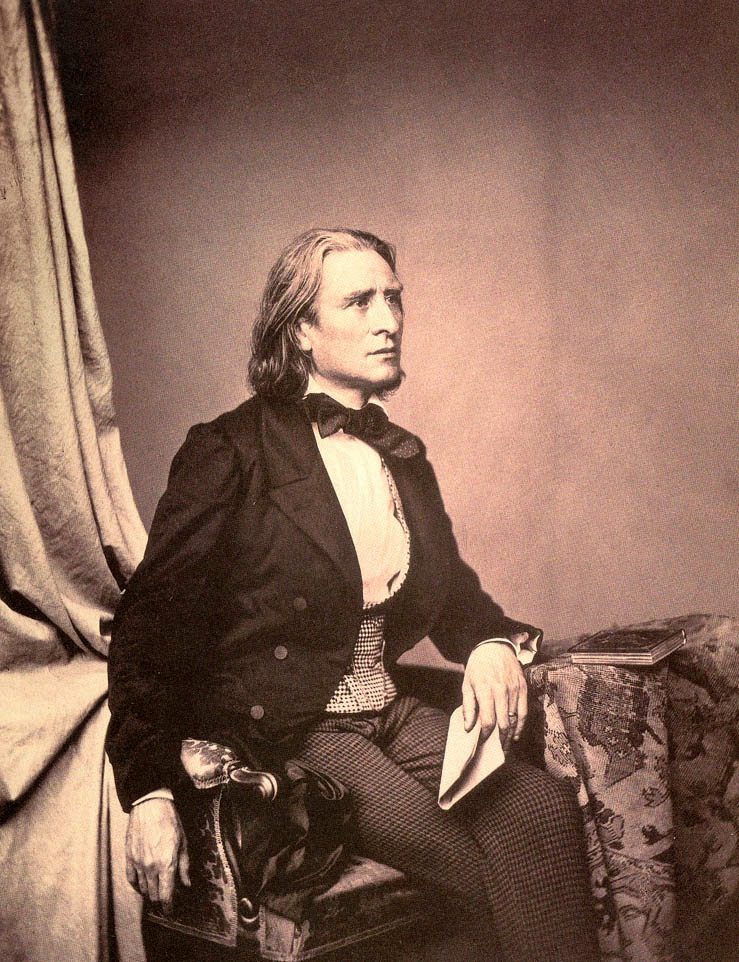
Interestingly, by 1888, Mackenzie was living in Florence, and during this time, he became very close friends with Franz Liszt.
While creating large-scale works, he managed to compose numerous orchestral and choral pieces, as well as two operas.
His cantata The Bride and Jason was successfully presented to the public, and in 1883, his first opera, Colomba, premiered.
Despite his second opera, The Troubadour, achieving less success, Liszt held it in high regard.
A New Chapter
October 1887 marked the death of George Macfarren, who headed the Royal Academy of Music. In 1888, this position was passed to Mackenzie.
Alexander held the post for 36 years. It was under his leadership that the Academy’s reputation was restored. The institution had faced competition from The Royal College of Music.
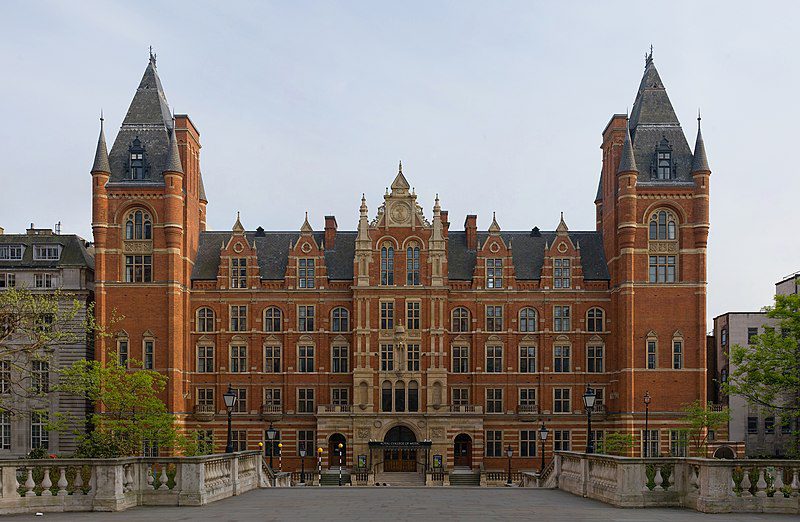
Fortunately, Alexander maintained good friendships with George Grove and Hubert Parry, who worked at the College. This rapport eventually led to mutually beneficial relations between the two educational institutions.
Mackenzie’s tenure as director of the Academy also saw a complete overhaul of the curriculum. He personally conducted classes for students, teaching composition and acting as the conductor of the student orchestra.
Professional Passion
Speaking of Alexander’s life journey, it’s worth noting his keen interest in folk music. He even managed to release collections of arrangements of traditional Scottish songs.
However, in 1903, Mackenzie became seriously interested in Canadian folk music. He even participated in a Canadian tour organised by the Anglo-Canadian musician Charles A. E. Harris.
Unique Status
Overall, the status of a cosmopolitan musician perfectly suits Alexander. Indeed, he was unofficially called just that. He was fluent in German and Italian. And in 1908, he became head of the International Musical Society.
Furthermore, Mackenzie was a friend to many leading musicians, including Charles Gounod and Joseph Joachim. And that’s not to mention Liszt, with whom he remained friends until the legendary composer’s death.
A Talent for Lecturing
It must be said that the position of head of the Academy took up a great deal of Mackenzie’s time, leaving him with almost no time for composing.
However, his duties at the Academy uncovered a new talent in Alexander: lecturing. His popularity as a lecturer was immense. He covered many topics that genuinely captivated the public.
Notably, Alexander dedicated such a fascinating lecture to Verdi’s opera Falstaff that its translation was later even published in Italy.
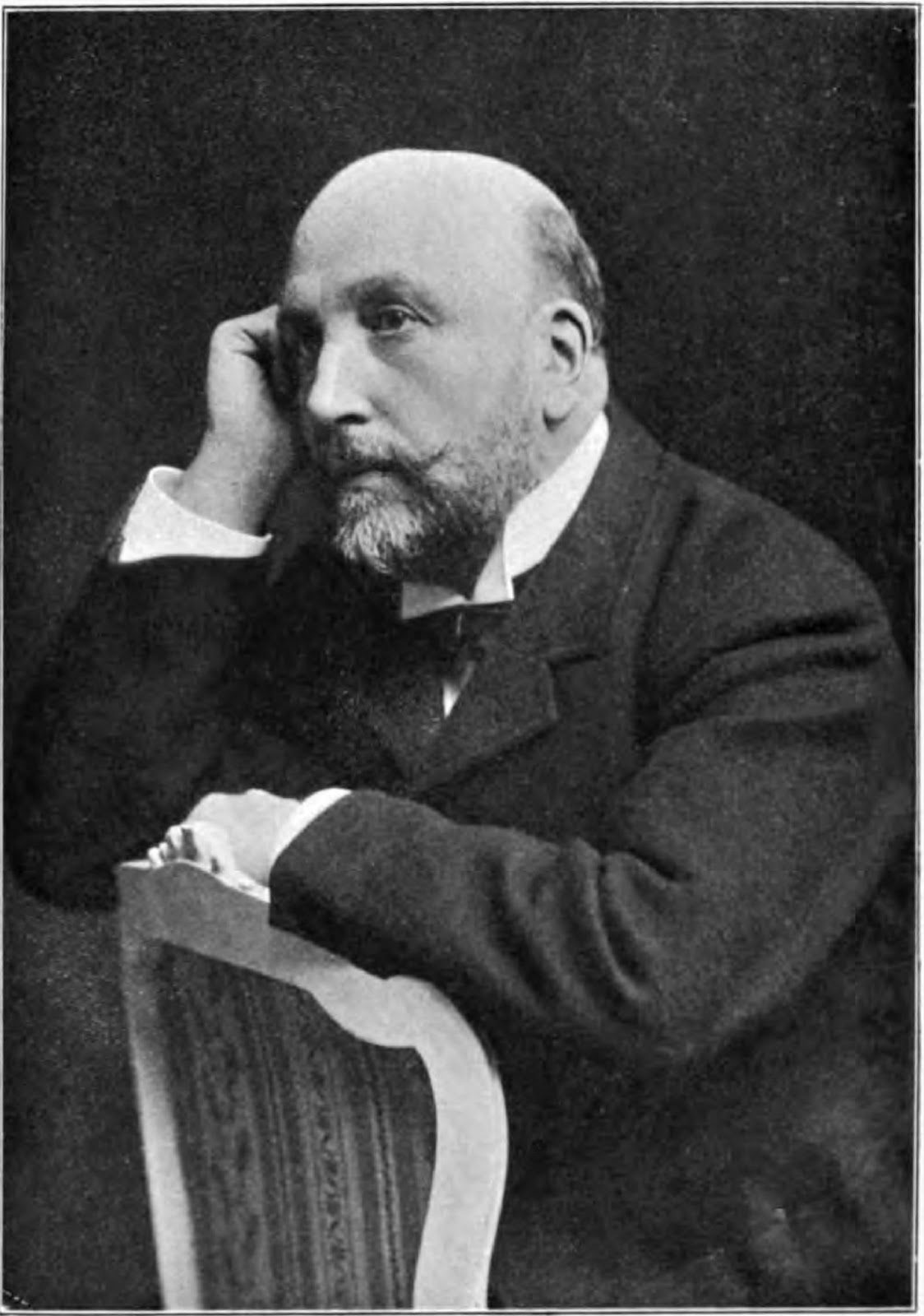
Mackenzie’s professional and multifaceted career earned him widespread respect and numerous accolades. Everything he touched, it seemed, was refined with the brilliance of a true genius. And Alexander’s contribution to the development of culture and music is truly immense.
The esteemed musician’s earthly journey concluded in 1935, at the age of 87. For a human life, this is a respectable age, but for the beauty and grandeur that Mackenzie lived for, these numbers are very small. That’s why we wish talented people would never fade away, because they help us perceive beauty, creating ingenious works that later become a global cultural heritage.