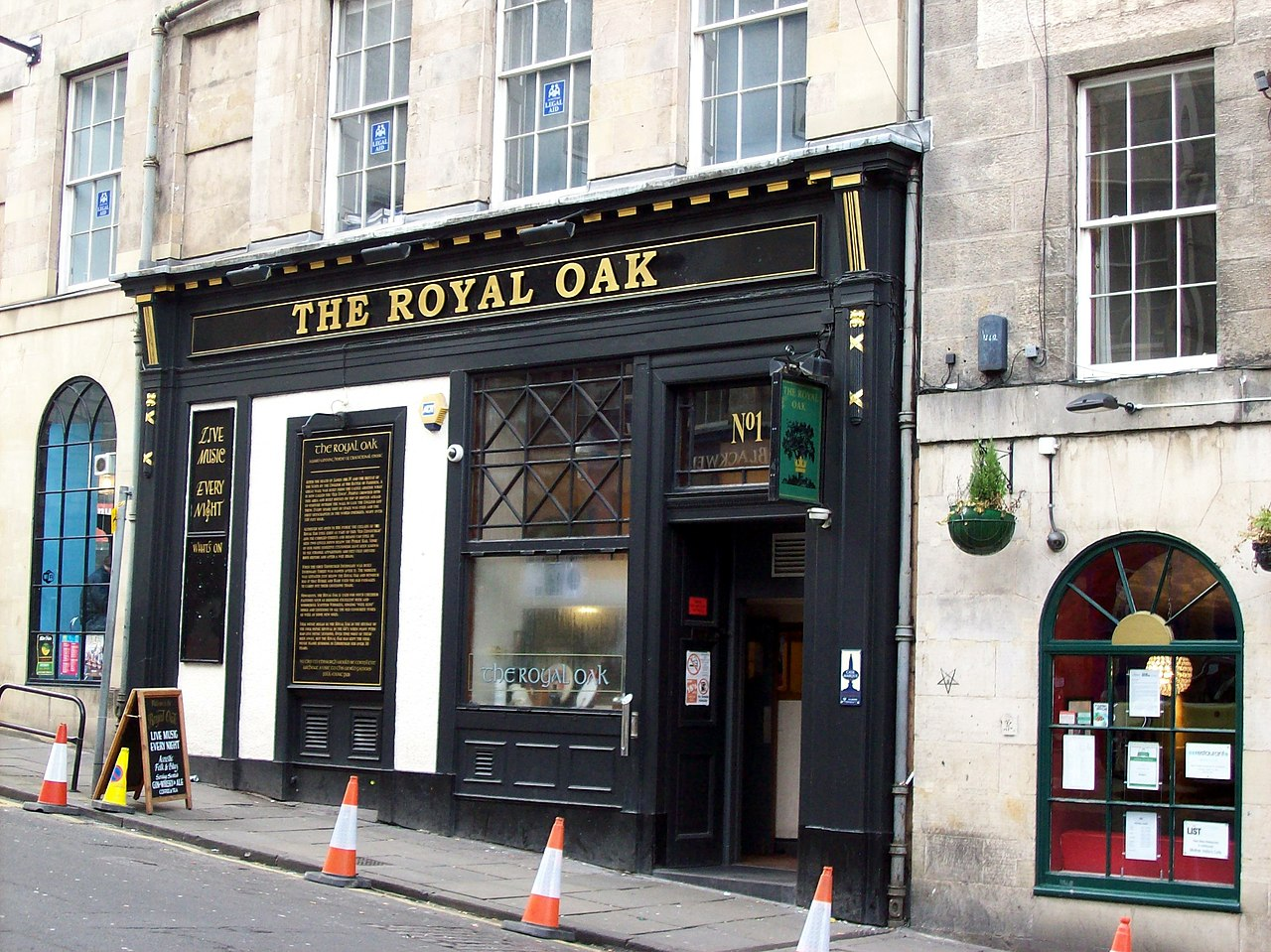
The Royal Oak opens a gateway to the heart of Edinburgh’s live folk scene. This compact, 200-year-old pub remains largely unchanged since its founding, preserving the warmth of its timber walls and an unwavering spirit of tradition. Here, folk music isn’t just a performance on a stage—it lives among the people. Read more on edinburgh-trend.
The History and Evolution of The Royal Oak
Since the 1960s, The Royal Oak has served as a cornerstone of traditional Scottish folk music. During that era, it was owned by former Heart of Midlothian footballer Alan Anderson and operated under the name The Pivot. The pub is nestled within a historic cluster of buildings dating back centuries, to a time when Edinburgh residents rarely ventured beyond the city walls for fear of English raids. This confined space within the fortifications forced the city to build upwards, giving rise to Edinburgh’s iconic early “high-rises.”
A new chapter began in 1978 when Dorothy Taylor and her sister Sandra took over the lease. It was their vision that introduced regular music nights, open sessions, and informal “sing-alongs” that quickly captivated musicians and folk enthusiasts alike. Many future stars of the Scottish music scene honed their craft on the tiny stage of this Infirmary Street pub, which gradually became a symbol and a pillar of the city’s traditional culture. Sandra later recalled that, at the time of the purchase, the sisters were effectively filling a cultural void in Edinburgh.
For nearly a quarter of a century, Dorothy and Sandra remained the soul of The Royal Oak. They decided to sell in 2003 after Sandra—a star of the popular TV show White Heather Club—was advised by doctors to take a long break following a serious health incident near her home. The licence passed to Heather McKenzie, who stayed true to the pub’s musical heritage. Sadly, Dorothy passed away on 7 December 2007 after a long battle with cancer. Her contribution to traditional music and Edinburgh’s cultural life was honoured with a memorial ceremony that brought together musicians, friends, and patrons.
A significant milestone followed in 2008 with the release of the album The Royal Oak: Best of Folk via Magic Park Records. The project was born from renowned Scottish author Ian Rankin’s genuine passion for folk music and the pub itself, which he has long considered one of his favourite haunts. Rankin described his visits as a restorative ritual: after a day of walking the Old Town streets and enjoying dinner, a late-night stop at the Oak offered live music, warm company, and a relaxed atmosphere. The compilation seamlessly blends folk and country, reflecting the deep historical ties between the two genres.
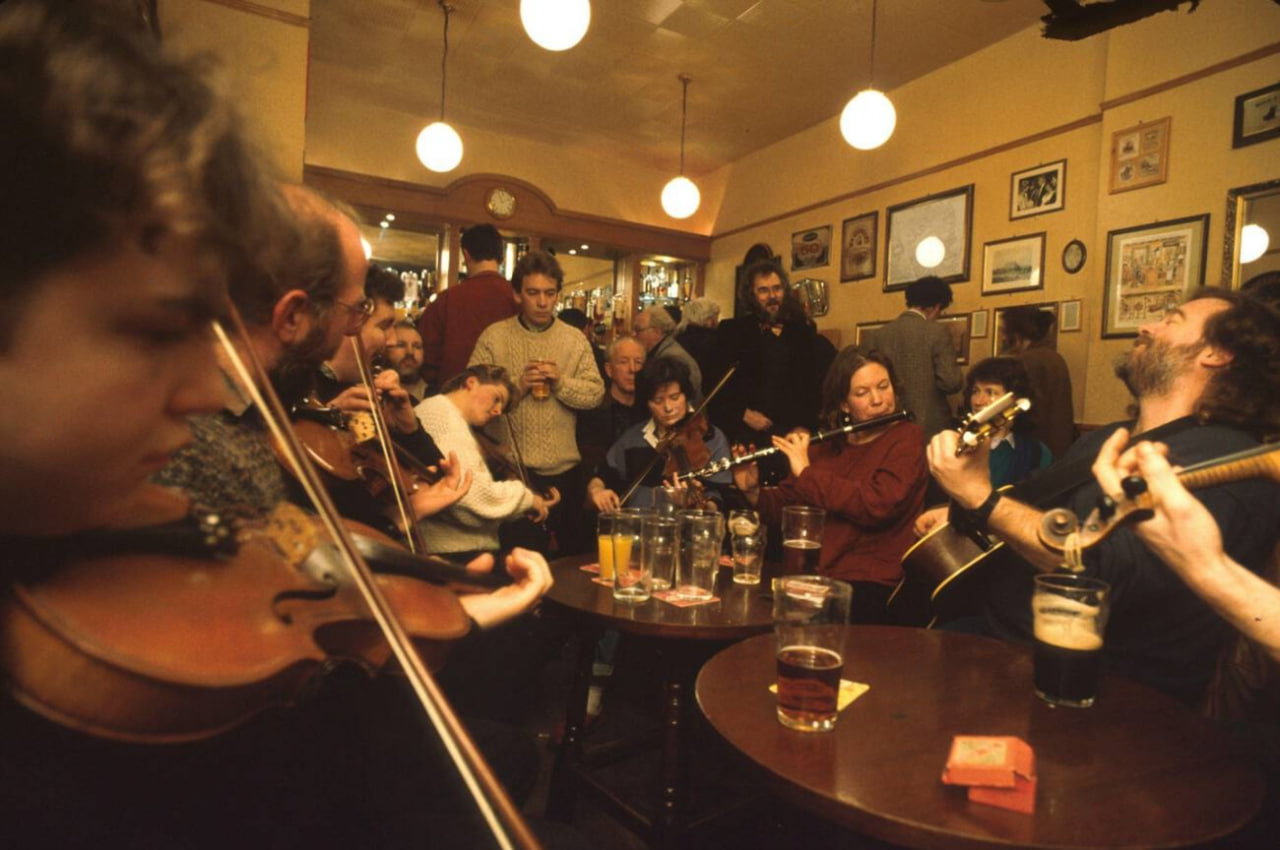
In 2023, the pub’s parent company, Star Pubs & Bars, recognised Mae and Heather McKenzie for their dedication to Edinburgh’s folk scene. Heather, a professional sound engineer, had been a regular patron long before taking the reins. When the future of the pub became uncertain following the previous licensees’ retirement, she stepped in to preserve this vital musical hub. Under the stewardship of the mother-and-daughter duo, it has cemented its reputation as one of Scotland’s premier folk venues. Live music fills the air every night, and the pub remains the proud home of The Wee Folk Club, which has been based there for over 25 years.
Recognition and Cultural Legacy
The Royal Oak’s greatest achievement is its pivotal role in reviving and sustaining folk music in the Scottish capital at a time when live traditional venues were scarce. Its nightly jam sessions have become a hallmark, fostering an atmosphere of openness, interaction, and spontaneity. The pub has served as a launchpad for many celebrated musicians and a gathering point for a dedicated community of performers and listeners. Among those who once graced its sessions are iconic figures of the Scottish scene, including Kris Drever, Bobby Eaglesham, and Karine Polwart.