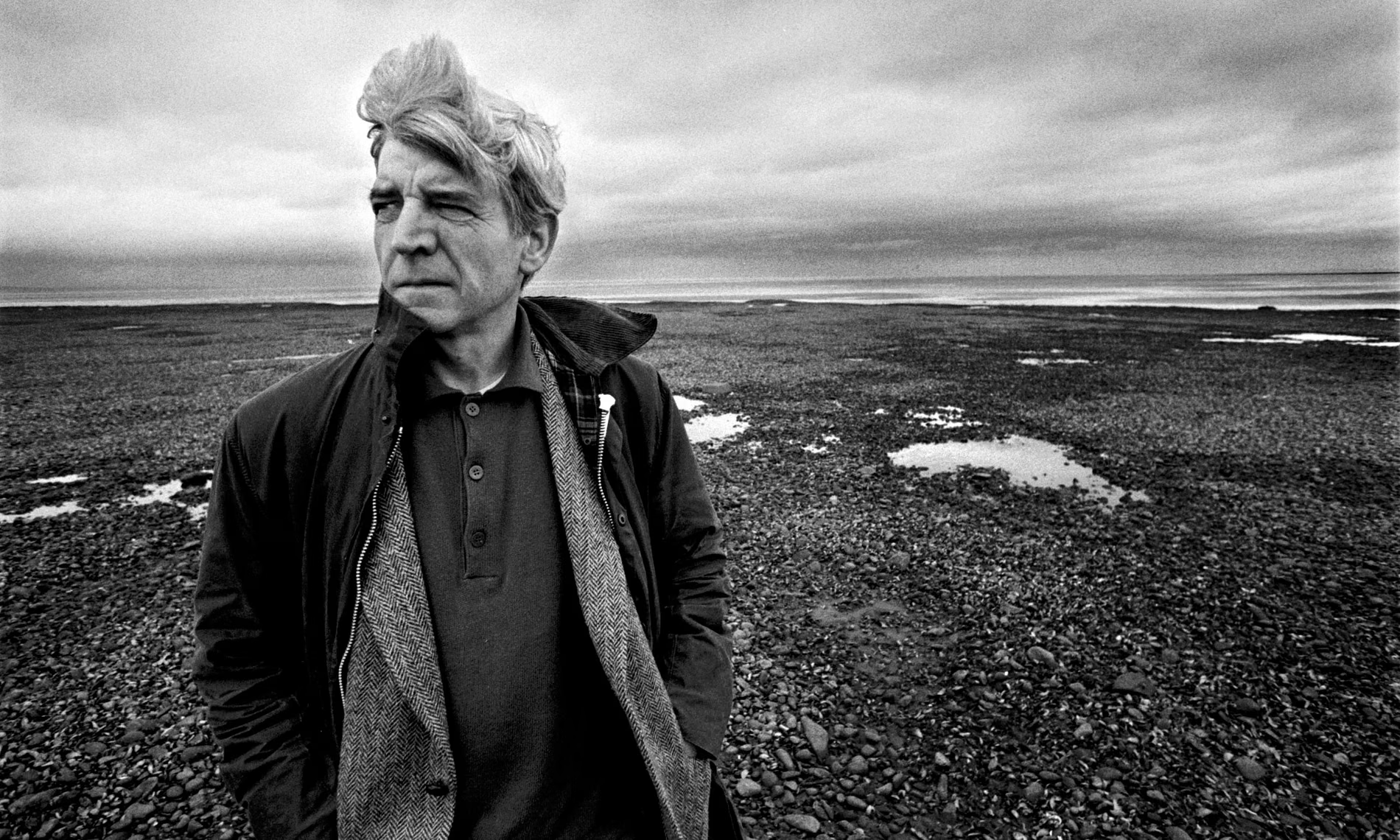
The story of Bill Douglas is inextricably linked to the story of his films. Raised by his grandmothers and deprived of a stable home or family warmth, he sought solace in cinema from an early early age. Later, the hardships he endured, his friendship with Peter Jewell, and his passion for film history became the primary sources of inspiration for the director’s work, which is characterized by its autobiographical nature, visual economy, and deep humanism. Read more at edinburgh-trend.
The Guardian
Childhood, Military Service, and Meeting Peter Jewell
Bill Douglas was born on April 17, 1934, in Newcraighall, a mining village near Edinburgh, Scotland. His childhood was far from easy: initially raised by his maternal grandmother, he moved to live with his father and paternal grandmother after her death. The harsh living conditions, poverty, and lack of family affection largely shaped the future director’s worldview. It was during this period that cinema became his sanctuary from everyday struggles.
One of the pivotal moments in Bill Douglas’s life was his service in the British Army in Egypt during the 1950s. While stationed in the desert, he met Peter Jewell. Their friendship blossomed into a profound creative partnership that inspired numerous projects. A special place in their lives was occupied by collecting memorabilia related to moving images. Over the decades, they amassed one of Europe’s largest collections of film history materials, including posters, photographs, cinematic artifacts, documents, and rare items tracing the evolution of world cinema.
The Autobiographical Trilogy and Bill Douglas’s Signature Style
Upon returning to the UK, Bill Douglas moved to London, where he began working as an actor and screenwriter. In 1969, he enrolled at the London Film School. It was there that he penned the screenplay for a short autobiographical film titled “Jamie.” In this work, he drew upon his own childhood memories, adopting a realist narrative style grounded in personal experience. The project initially faced severe funding challenges. However, the tide turned when the script caught the attention of Mamoun Hassan, the head of production at the British Film Institute, who championed the project and helped secure the necessary financial backing.
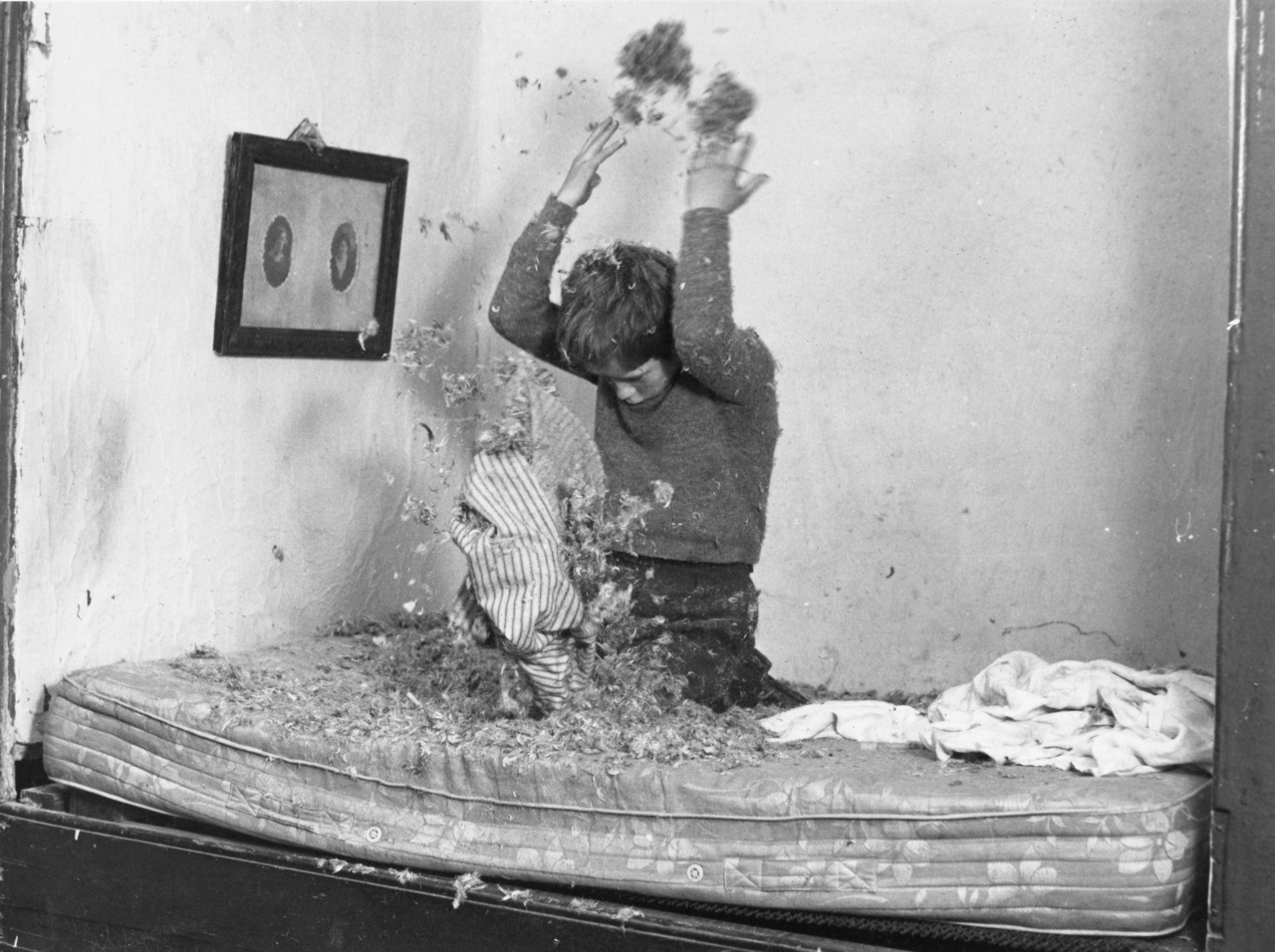
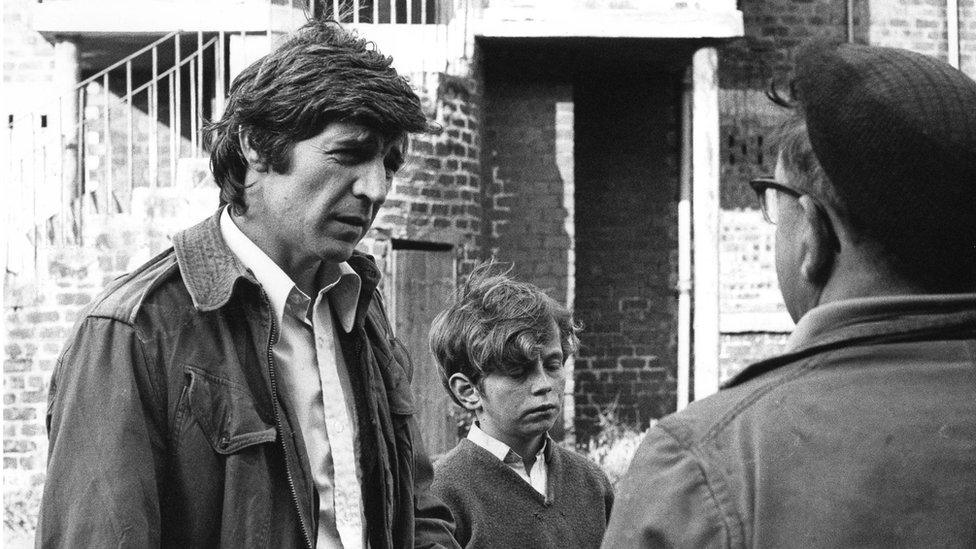
True international acclaim came to Bill Douglas with his celebrated autobiographical trilogy. The first film, originally conceived as “Jamie,” was retitled “My Childhood.” Its success at international film festivals paved the way for two subsequent installments: “My Ain Folk” (1973) and “My Way Home” (1978). Together, these films form a cohesive coming-of-age story of the protagonist, Jamie, who closely mirrors the director himself. Through his personal lens, Douglas explores themes of loneliness, poverty, and the quest for one’s place in the world. Of particular significance in the trilogy’s finale is Jamie’s acquaintance with Robert, a young Englishman from a more affluent background. This friendship opens up a new world of books, culture, and knowledge for him.
Despite rave reviews from critics, the trilogy’s success did not guarantee financial stability. Like many auteur filmmakers, Bill Douglas struggled to find funding for new projects. During this period, Mamoun Hassan again played a crucial role in his life. In 1978, Hassan invited the director to teach at the National Film and Television School. Here, Douglas quickly earned a reputation as a gifted mentor, inspiring students not only with his professional expertise but also through his own creative example.
After years of searching for financial support, Bill Douglas finally received the opportunity to realize his most ambitious project—the historical drama “Comrades” (1986). The film’s plot is based on the real-life events surrounding the Tolpuddle Martyrs. These were six agricultural laborers from Dorset who were arrested in 1834 for attempting to form a trade union to protect their labor rights. Following a trial, they were sentenced to transportation to Australia. As in the Jamie trilogy, the director explores the human capacity to maintain inner strength even in the most brutal circumstances. Consequently, critics hailed the film as a true “poor man’s epic,” blending historical scale with deep humanism.
Following the release of “Comrades,” Bill Douglas continued to actively develop new creative concepts. Among his most ambitious projects were a screenplay about the cinema pioneer Eadweard Muybridge, whose photographic experiments played a vital role in the birth of the moving image, as well as an adaptation of James Hogg’s celebrated novel “The Private Memoirs and Confessions of a Justified Sinner.” However, he was not destined to see these ideas come to fruition. On June 18, 1991, Bill Douglas passed away from cancer.
Light Industry
Recognition and the Legacy of Bill Douglas
The legacy of Bill Douglas continues to thrive not only on the screen but also within academic and cultural spheres. A special place belongs to his unique artistic style, which blended a restrained visual language, minimal use of dialogue, and meticulous attention to frame composition. Critics frequently describe his cinema as poetic due to his ability to convey emotions through light, silence, expressive imagery, and the details of everyday life, rather than through exposition or dramatic monologues. Following the director’s death, the exceptional collection he built alongside Peter Jewell became the foundation for The Bill Douglas Cinema Museum at the University of Exeter, which opened its doors six years after his passing. His films, archives, and collections have become an essential part of British cinematic history, and the name Bill Douglas remains synonymous with creative independence, artistic integrity, and an unyielding devotion to the art of film.
BBC