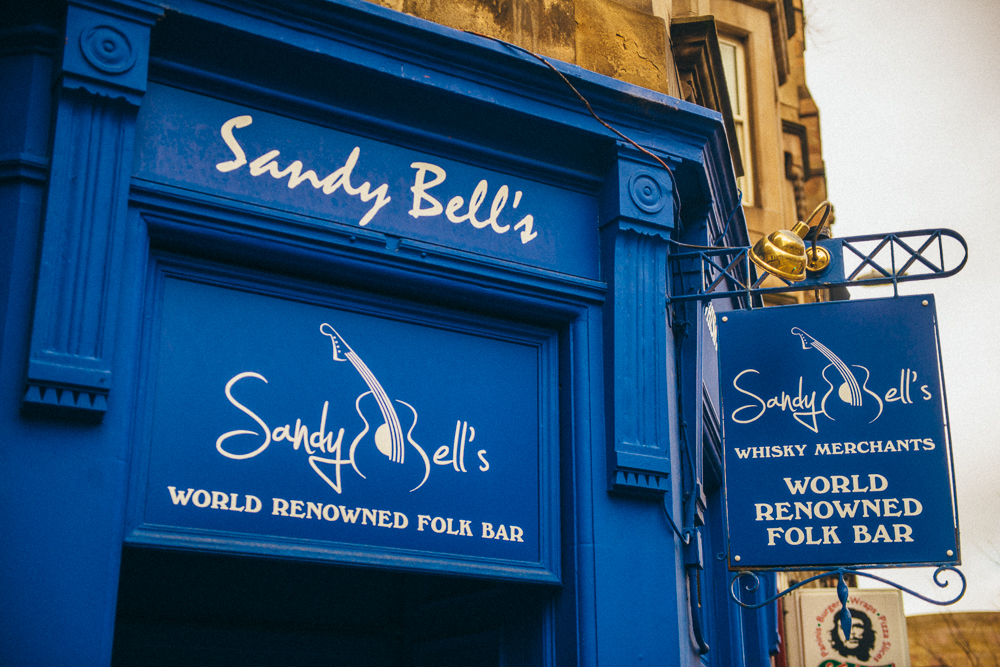
Sandy Bell’s is widely regarded as one of the world’s most vital hubs for traditional music. For decades, it has served as a sanctuary for musicians, singers, and listeners—a place where folk art has thrived away from the glare of the stage and the pressures of commerce. It is on this very ground that the living folk traditions of Scotland and Ireland have been forged and passed down through generations. Read more on edinburgh-trend.
The Origins and Evolution of Sandy Bell’s
In 1929, Mary Bell purchased the premises at 25 Forrest Road, Edinburgh, securing a loan from the T. & J. Bernard brewery. Under her stewardship, the Forrest Hill Buffet opened its doors. Over time, locals colloquially dubbed it “Bell’s” or “Sandy’s,” and eventually “Sandy Bell’s.” Remarkably, this moniker didn’t actually grace the exterior signage for over half a century. While the “Bell” derives directly from the family name, the origin of “Sandy” is the subject of several theories. The most popular suggests it was named after a barman famous for loudly ringing a bell to announce “last orders.”
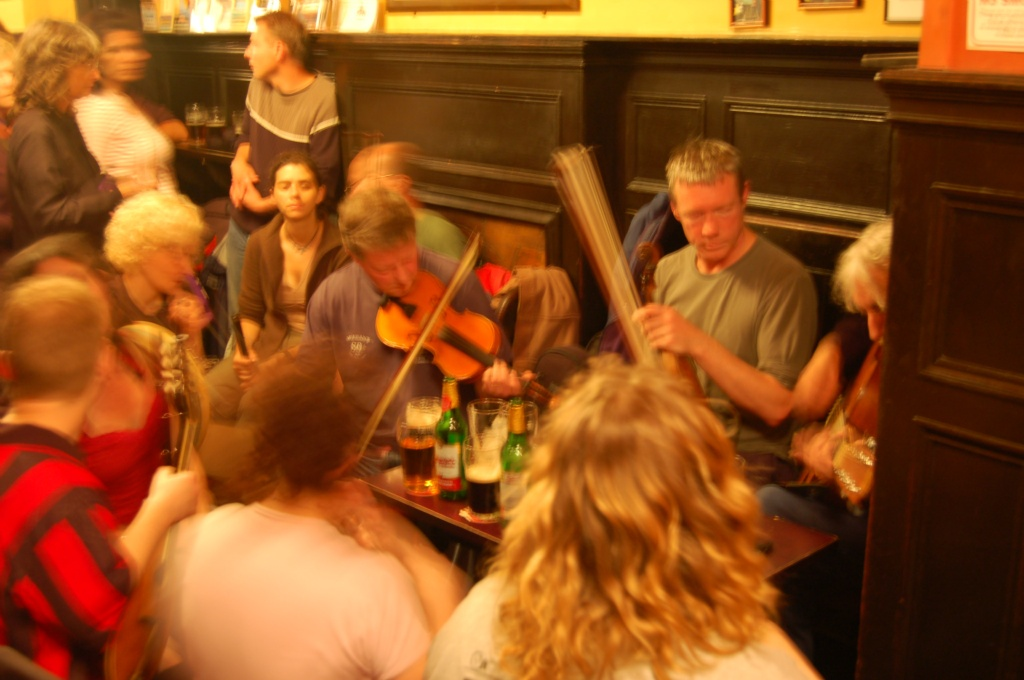
Regular musical sessions began at the Forrest Hill Bar in 1942. By the 1960s, it had become a cult meeting place for the creative intelligentsia—singers, musicians, writers, poets, and artists alike. The venue gradually transformed into a blues and folk club that championed live performance. Gaining international acclaim, it played a pivotal role in the revival of traditional music. Legends such as Barbara Dickson, Billy Connolly, and Phil Cunningham were among the many icons of the folk scene to grace the bar.
Following the 1970s, interest in folk music began to wane, and many similar establishments closed their doors. Yet, the sessions at the Forrest Hill Bar endured, occasionally in the face of indifference or even hostility from management. In the 1980s, one owner attempted to install a fruit machine; the idea survived a mere single day. The unique atmosphere was ultimately safeguarded in the 1990s by owner Charlie Woolley. Under his watch, the name Sandy Bell’s finally appeared officially on the façade, cementing its identity after decades of informal use.
The pub’s traditional soul has occasionally faced threats from corporate breweries. When the G I Group plc chain took ownership, some regulars drifted away, feeling the venue had lost a degree of its authenticity. However, in 2012, Stephen Hanna acquired the pub, explicitly pledging to preserve its character as a bastion of traditional music. Under his leadership, the venue regained its allure for musicians and folk fans globally, bolstered by the launch of an official website to cement its international standing.
Spring 2020 brought Sandy Bell’s to the brink of survival. Forced into a strict lockdown, the pub turned to the community for support via a crowdfunding campaign. Stephen Hanna announced that all eight staff members had to be furloughed. The situation was compounded by the lack of a beer garden or outdoor area. While other pubs began a partial summer reopening, Sandy Bell’s—a small, intimate space where social distancing was virtually impossible—effectively remained stranded. Despite the odds, it waited patiently for the moment live music could once again fill its walls.
The Legacy and Cultural Significance of Sandy Bell’s
For decades, Sandy Bell’s has served as an open house for musicians—a space of creative freedom where musical heritage is passed from one generation to the next. The core focus remains on Scottish and Irish traditional music, blending a variety of styles, instruments, and cultural threads. Iconic figures such as Aly Bain, Kris Drever, and Dick Gaughan have either started their journeys here or performed regularly. For some, the pub was a launchpad; for others, it is a spiritual home to return to, where music is played not for a stage, but for the community.