In an era of rapid digital media growth, Dauphin Magazine carved out its own path by championing independent music and local creative communities. It consistently spotlighted emerging artists, intimate venues, and Edinburgh’s festival scene. As a result, the magazine became a vital piece of the city’s cultural ecosystem and its musical history. Read more at edinburgh-trend.
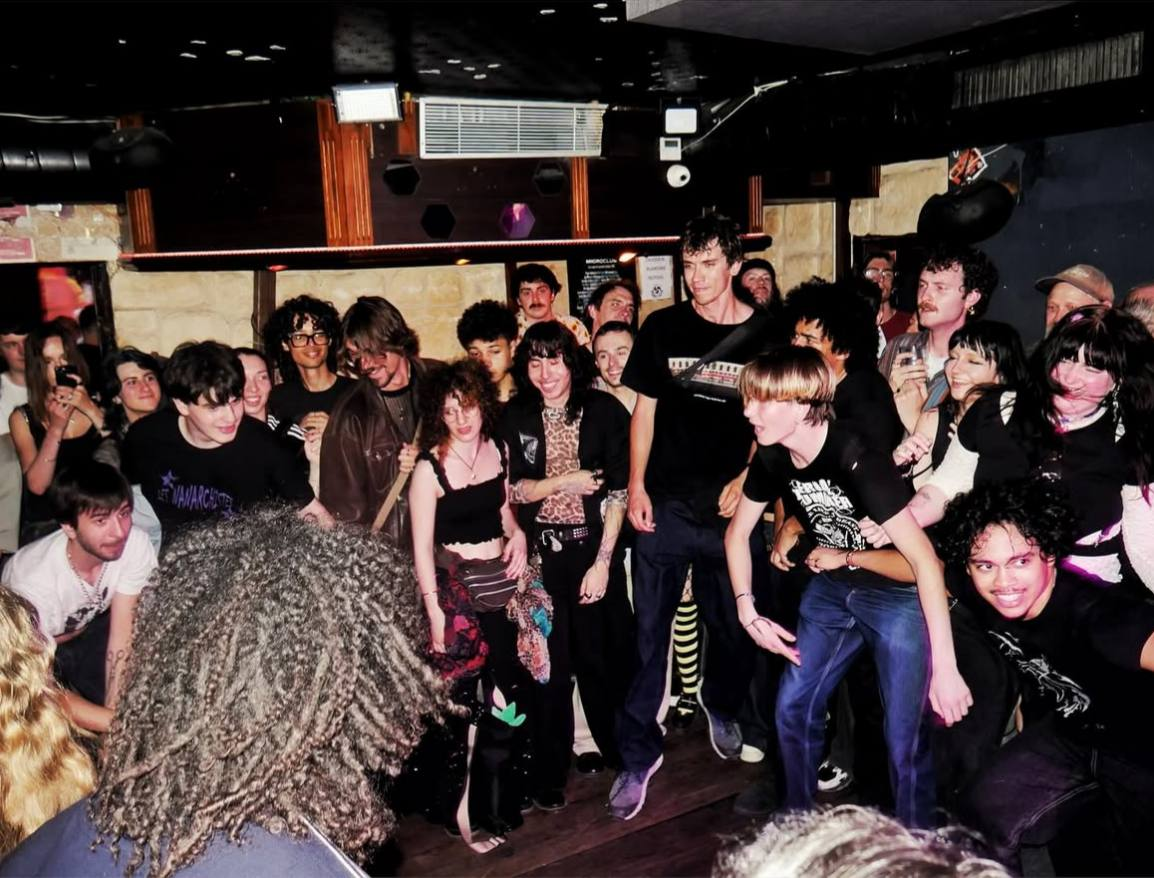
@lesnanarchistes
The Launch of Dauphin Magazine in the Digital Era
Dauphin Magazine emerged in the late 2000s as an independent digital publication dedicated to covering alternative music culture and supporting up-and-coming talent. Edinburgh’s music scene held a special place in its coverage. At a time when music journalism was shifting dramatically—with most major outlets focusing on major-label signings, commercial releases, and massive festivals—the magazine consciously went against the grain. It regularly covered gigs in small clubs, performances at local underground spots, and events driven by the DIY community.
Reviews, Festivals, and the Local Underground: Inside Dauphin Magazine
Album and single reviews were a cornerstone of Dauphin Magazine’s work. Its write-ups stood out from typical music journalism due to their distinct style and a desire to convey the pure listening experience through imagery, mood, and atmosphere. Instead of dry technical breakdowns or heavy genre labeling, the writers often took a literary approach to describing music. A key editorial rule was total equality among artists. The magazine gave the exact same real estate to signed indie acts as it did to completely independent, unknown musicians.
Interviews in Dauphin Magazine were also a far cry from standard promotional fluff. Conversations with musicians went way beyond plugging new releases, diving instead into the real challenges faced by independent artists. A prime example was a 2011 interview with the band Black International. During the chat, the band members looked back at their early days, their favorite local spots, and their most memorable gigs. One standout memory was one of their first shows at Cabaret Voltaire for the Dfrnt Drum night. The musicians recalled that the raw energy, the supportive crowd, and the chance to play for a completely fresh audience provided a massive boost early in their career.
Among Dauphin Magazine’s regular features, the “Song of the Day” series occupied a special spot. This format served as the editorial team’s daily music diary, featuring quick write-ups on tracks that absolutely belonged on readers’ playlists. Unlike long-form reviews or deep-dive interviews, these posts offered a quick way to discover new music while picking up cool trivia about the artists or the backstory behind a track. For instance, in their landmark 70th feature, the editors highlighted “Anti Lover” by the Finnish band Satellite Stories. The brief piece focused not just on the song itself, but on the band’s unique flair, roots, and creative identity.
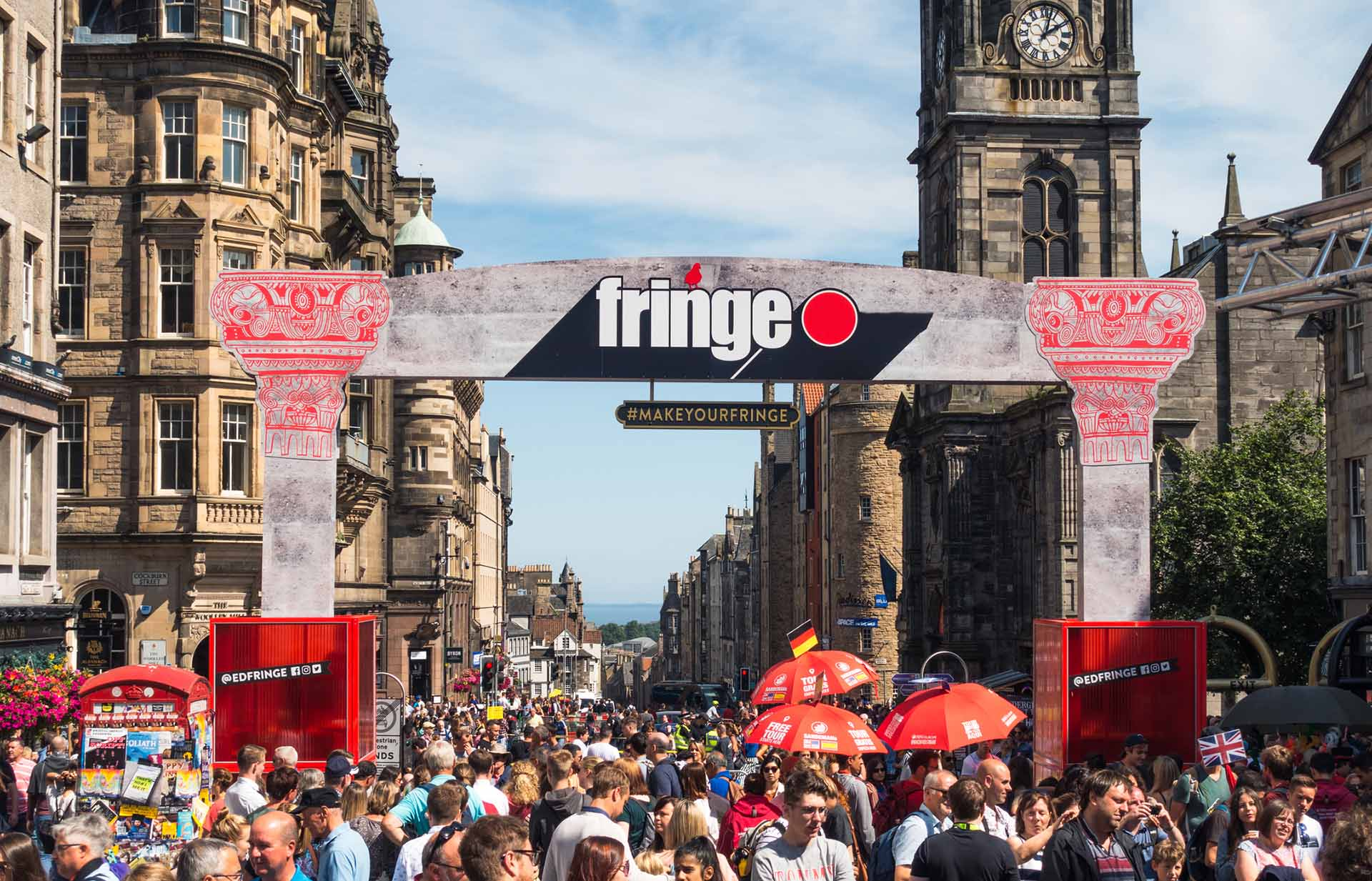
Dauphin Magazine’s editorial direction evolved in tandem with Edinburgh’s cultural calendar. This was most apparent during peak festival seasons. Whenever a major arts forum took over the city, the team shifted into overdrive, churning out previews, top recommendations, and event reviews. A prime example was the 2012 Edinburgh Festival Fringe, during which the website essentially transformed into a go-to guide for the festival’s musical highlights.
Like many independent online outlets of the early 2010s, Dauphin Magazine eventually hit a wall as digital trends shifted. The explosion of social media overhauled how people discovered tracks and consumed content, with audiences increasingly turning to streaming giants and algorithmic recommendations. Over time, updates on the site stopped. However, the project didn’t vanish entirely. Thanks to web archives, a massive portion of its coverage remains available for music historians, journalists, and indie scene fans alike.
Frasers Hospitality
Dauphin Magazine’s Legacy in Edinburgh’s Indie Culture
Over its years of operation, Dauphin Magazine outgrew the boundaries of a simple music blog. It became a true chronicler of Edinburgh’s independent music scene, capturing not just new releases, but the evolution of the city’s cultural infrastructure. The real value of the archive lies in how systematically the team spotlighted underground venues, student hubs, and grassroots initiatives that national media routinely ignored. While the magazine never chased mainstream commercial success, it earned ironclad respect from musicians, promoters, and music lovers. Today, its archives stand as an invaluable case study for researchers, proving just how vital a role independent digital media plays in preserving cultural memory.
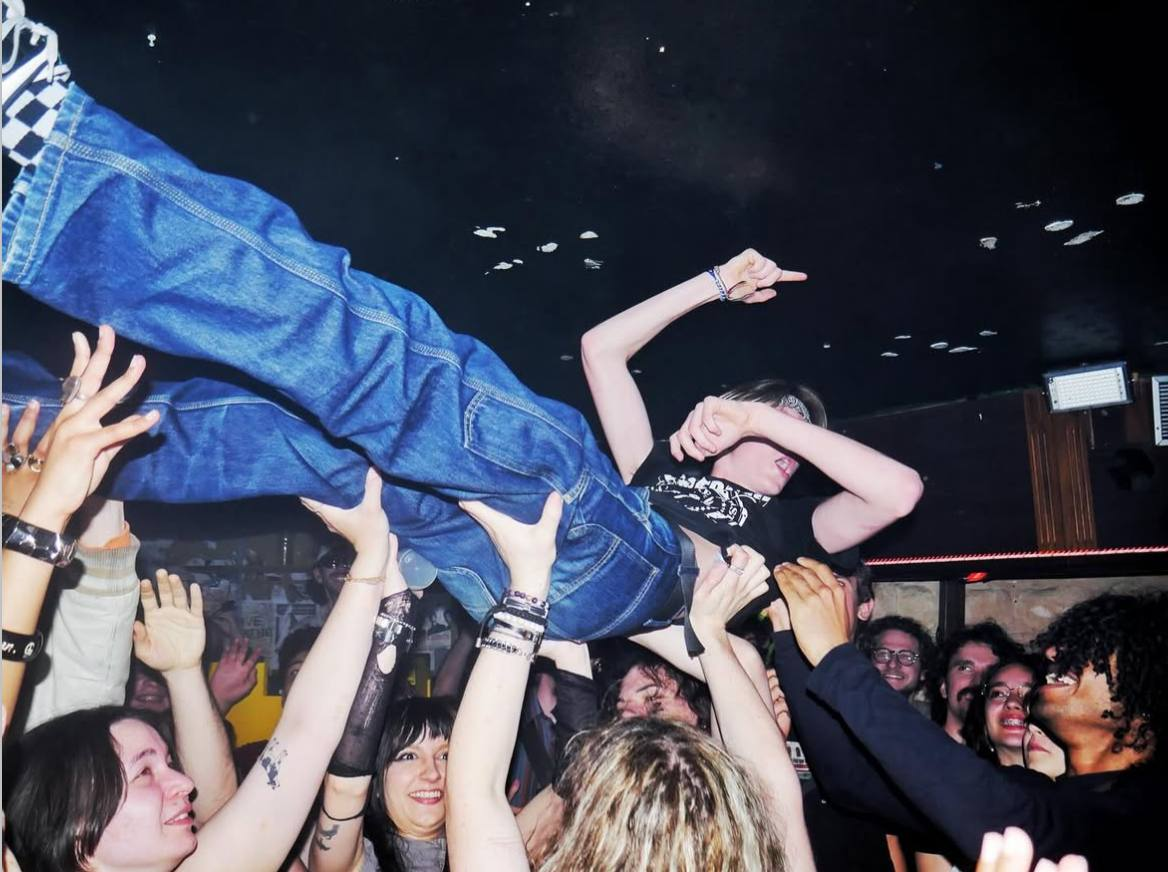
@lesnanarchistes