When the author Irvine Welsh arrived at The Cameo for the premiere of the film Trainspotting, the venue had already long held the status of an important hub for Edinburgh’s cinema culture. It was exactly here that generations of viewers were introduced to independent and European cinema, which rarely made its way into mass distribution. Having first opened in 1914, the establishment has survived two world wars, technological revolutions, and shifting cinematic eras. Despite all of this, its historical character remains almost unchanged. Read more on edinburgh-trend.
byronv2
The Birth and Early Successes of The Cameo
The King’s Cinema first opened its doors to visitors in Edinburgh on 8 January 1914. At that time, it stood out for its innovative technical solutions. In particular, a mirrored screen was installed here—the first screen of its kind in Scotland. The auditorium could accommodate 673 people, and the film screenings for these audiences were accompanied by live music. The famous all-female costumed orchestra of Madame Inge Egger created a truly special atmosphere for the visitors.
Forging The Cameo’s Alternative Repertoire
A new stage of development began in 1947 when the King’s Cinema was purchased by Jim Poole—a representative of a well-known British family that organised touring shows and managed a network of cinemas across Scotland and England. Following a large-scale renovation, the establishment received its new name, The Cameo, and reopened to the public in 1949.
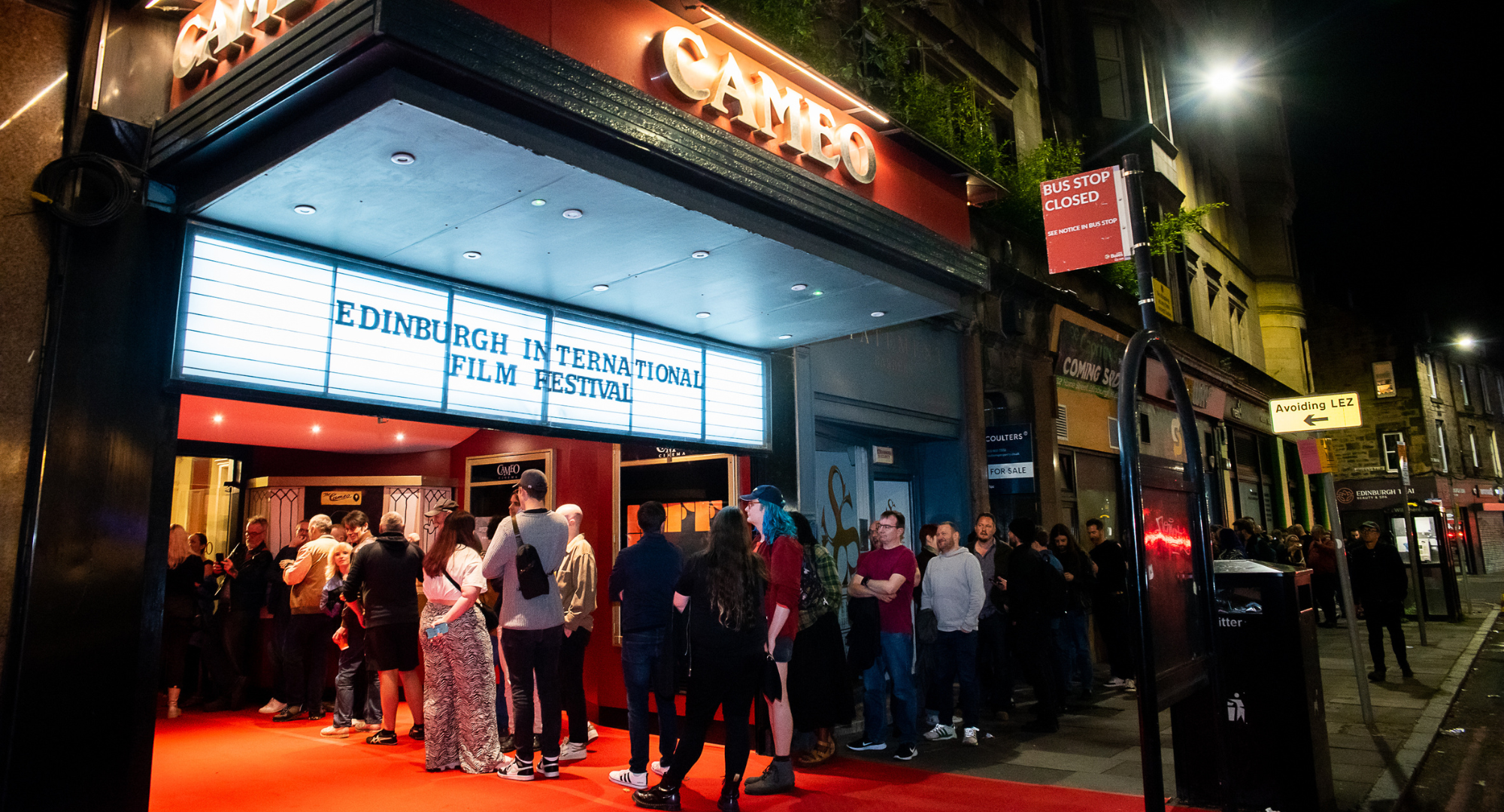
From the very beginning, the new owner placed a strong emphasis on arthouse and European cinema, which rarely appeared in the repertoires of the major cinema chains. That same year, he initiated a close collaboration with the Edinburgh International Film Festival. One of their first joint initiatives was the ‘Continental Film Festival’, during which audiences were able to watch a screen adaptation of Jean-Paul Sartre’s work Les jeux sont faits. Other highly notable examples also included the French comedy Monsieur Hulot’s Holiday (1953) and Woody Allen’s cult film Annie Hall (1977), which drew in a substantial audience.
At the end of the 1970s, Edinburgh’s cinematic cultural landscape began to change. In 1979, the Filmhouse cinema opened not far from The Cameo, and it too specialised in showing arthouse, independent, and international cinema. From then on, the former was no longer the sole venue in the city where aficionados could acquaint themselves with alternative cinematic works from around the world. After many years of leadership, Jim Poole decided to retire in September 1982. Along with the end of his era, the cinema itself temporarily ceased operations. At that time, it functioned as a single-screen venue with 483 seats and was subsequently put up for sale.
A new life for The Cameo began after it was acquired by the company Recorded Cinemas. The new owners invested nearly £150,000 into a large-scale modernisation of the building. After the reconstruction was completed, the cinema was ceremonially reopened in August 1986. The revamped auditorium became much more comfortable for viewers, although its seating capacity was reduced to 420. The further development of the establishment envisioned expanding the capabilities for film screenings. To achieve this, neighbouring retail premises were purchased and fully integrated into the cinema complex. Thanks to this expansion, in the early 1990s, The Cameo transformed into a multi-screen cinema, officially opening its second and third screens.
An incredibly important stage in the history of The Cameo was the year 2006. At that time, the state organisation Historic Scotland granted the building and its interior Category B listed status. Such a decision guaranteed the preservation of the cinema’s historical elements and protected them from any possible radical changes during future reconstructions. The acquisition of this status was preceded by a highly active public campaign. After the owners announced their intention to sell the institution, representatives of the film community and professional organisations stood up to firmly defend the historical landmark. As a result, the owners instead focused on preparing a new development plan and seeking partners to finance further improvements.
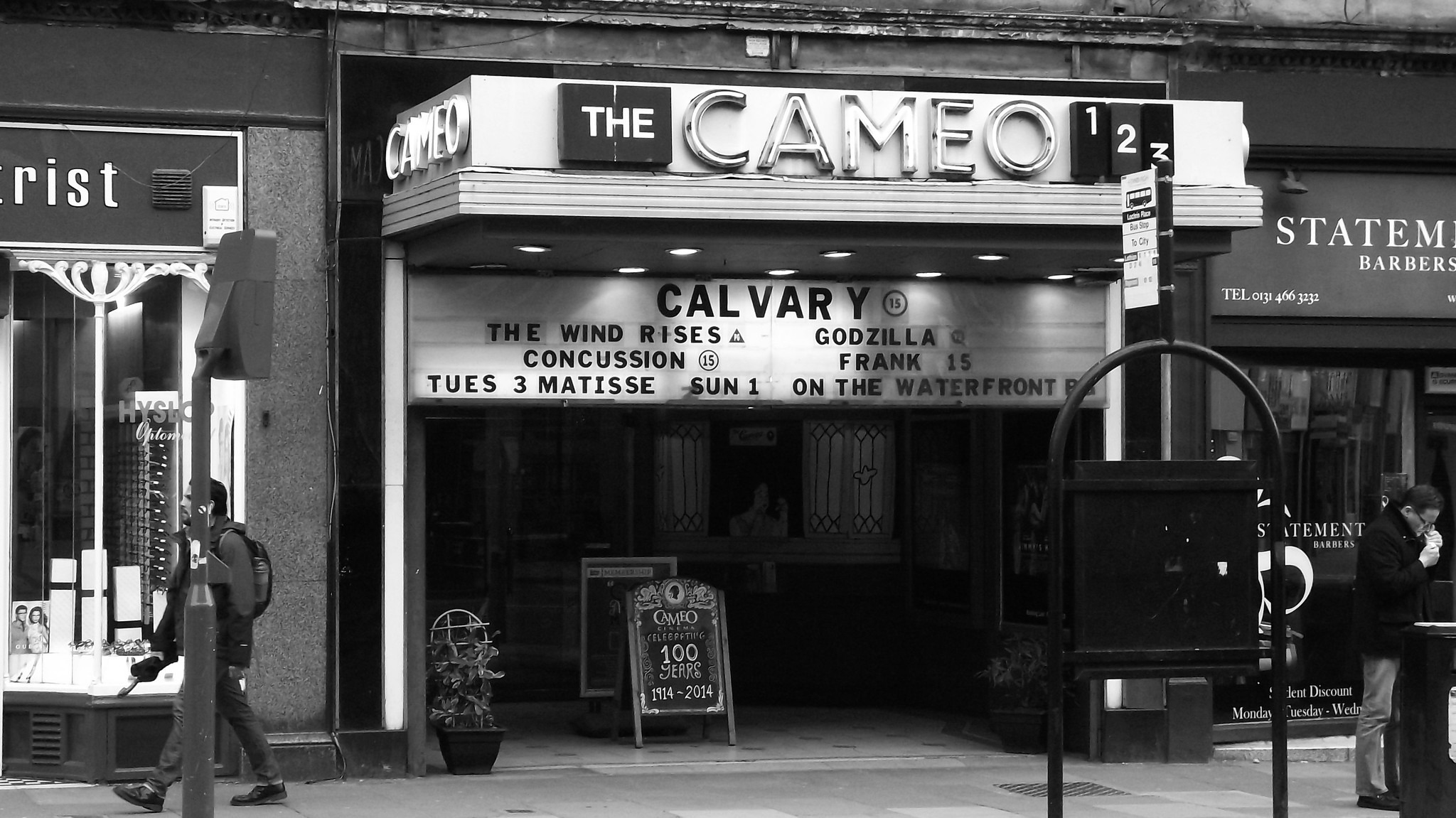
A particularly special moment for the establishment was the year 2014, when The Cameo celebrated its centenary. Exactly one hundred years ago on Home Street, doors first opened to the cinema that would become a beloved meeting place for generations of film buffs. The anniversary celebration began with a gala party and a special exhibition dedicated to the rich history of the cinema. Visitors were given the opportunity to trace the exact path of the establishment from the era of silent cinema all the way to modern digital technologies.
Phillip Pessar
The Recognition and Significance of The Cameo
The Cameo is widely considered one of the oldest cinemas in Scotland that continues to operate to this day, as well as, quite possibly, the oldest cinema in the country to have preserved its original interior almost entirely without changes. Thanks to this, visitors have the opportunity not only to watch films but also to genuinely immerse themselves in the atmosphere of the early 20th century. No less important is the vital role the cinema plays in popularising independent, arthouse, and international cinema. From the time of its transformation into The Cameo in 1949, the establishment became one of the main platforms for screening arthouse films and European cinema in Edinburgh. It was exactly here that viewers could see films that so often remained completely outside the repertoire of the large commercial chains.
Forever Edinburgh