


Silent cinema was once a truly fantastical experience for audiences. It was this genre that, to some extent, helped people grasp the unique magic of filmmaking. Even without hearing the actors’ voices, viewers could fully appreciate the quality of the cinematography, the exquisite costumes, and, of course, the remarkable talent for transformation on screen. More on edinburgh-trend.
Edinburgh was home to many artists who found their calling in silent films, with many going on to become household names.
One such talent was John Stuart. He was a fixture in countless films throughout the 1920s and later transitioned successfully into “talkies.” However, he’s primarily remembered for his captivating performances in silent roles.
Early Life
The future actor was born in Edinburgh on 18th July 1898.
He was fortunate to be born into a very prosperous family.
His grandfather, for instance, ran John Croall & Sons, a company that manufactured car chassis.
When John was seven, his family relocated to London. His parents separated there, and he settled into his new surroundings with his mother and two brothers.
Naturally, starting life in London coincided with John beginning his schooling. It was there that he began his academic journey.
John’s first alma mater was Dunstable Grammar School, and at 13, he moved on to Eastbourne College.
However, it’s fair to say that studying didn’t come easily to the young man; he was far more interested in mischief!
Service
Regarding his career path, John initially dreamt of becoming a naval doctor. However, he later changed his mind and joined the army.
Interestingly, he was initially rejected for being underage. It wasn’t until he was 20 that he began serving with the 3rd Battalion, Royal Regiment of Scotland, the Black Watch.
After that, he joined The Seaforth Highlanders infantry regiment. But in 1918, John had to end his service due to falling ill with a fever.
While awaiting demobilisation in Scotland, he began organising charity concerts in his capacity as an entertainment officer.
It’s fair to say that from this point on, creativity gradually entered John’s life.
Acting
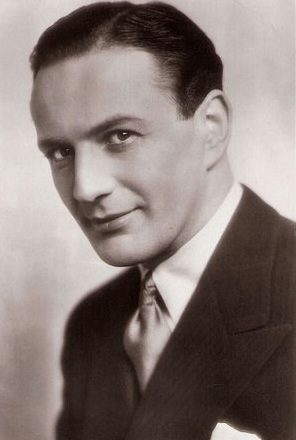
After his military service, Stuart briefly worked in an office. But this routine brought him no joy. So, despite the risks, he decided to try his hand at acting.
And it’s safe to say this move was incredibly successful. It seems fate itself was on John’s side!
The fact that he had no formal acting training didn’t stop him from debuting on a real stage, even if it was just in a crowd scene. This happened in 1919 in the production of The Trojan Women.
Later, director and film producer Walter West noticed the aspiring actor and saw his potential for the screen. Soon, an offer came to play a small role in the 1920 silent film titled Her Son.
His first cinematic experience proved to be a great success. And in the same year, 1920, John was offered two more roles in the films The Great Gay Road and The Lights of Home.
All this subsequently prompted the artist to focus entirely on his film career.
Next in the actor’s creative life came the project Land of My Fathers, which made him a true celebrity. This was the film where he played the famous violinist David Morgan.
Following numerous positive reviews for this work, John was invited to play lead roles in films such as Sinister Street, A Sporting Double, and If Four Walls Told.
The year 1923 again proved fruitful for roles, and audiences could see their favourite actor in films like This Freedom, The School for Scandal, and The Loves of Mary, Queen of Scots.
Numerous Works
All in all, John starred in 35 silent films throughout the 1920s.
Among these, The Pleasure Garden and Hindle Wakes garnered immense popularity among audiences.
Furthermore, his roles in military-themed films like Mademoiselle from Armentieres, The Flight Commander, and Roses of Picardy were met with no less enthusiasm.
A New Genre
Sound cinema burst into John’s creative life in 1929, starting with the film Kitty. This was one of the first British sound motion pictures.
The creators used fragments of dialogue combined with synchronised music and various effects.
It’s worth noting that Stuart transitioned from silent to talking films with remarkable ease.
The year 1932 brought the actor roles in new and interesting projects: a detective in Number Seventeen, an ambitious factory foreman in Men of Steel, and a soldier in L’Atlantide.
Theatre Work
Despite his enormous success on screen, John didn’t abandon his work in theatre. Far from it! Throughout the 1930s, he captivated audiences on stage in productions such as Finished Abroad, Public Savior No.1, Butterfly on the Wheel, The Limping Man, No Exit, and What We All Want.
War Years
It’s important to note that heroism and courage were not only characteristic of Stuart’s characters but of the man himself. In real life, he possessed the fundamental qualities of a true gentleman.
Specifically, when the Second World War broke out, he decided to return to service. Unfortunately, he was deemed unfit due to the lingering effects of the fever he’d contracted earlier.
Therefore, John had no choice but to continue doing what he did best: creating.
Thus, the 1940s in the actor’s career were marked by roles in films like Old Mother Riley in Society, Old Mother Riley’s Ghosts, Hard Steel, Ships with Wings, The Big Blockade, Flying Fortress, Headline, and Madonna of the Seven Moons.
Active Filming
The 1950s helped John elevate his acting skills to a higher level. During this period, he took on roles as a doctor, a detective, a bank manager, a police inspector, and a justice of the peace. All thanks to his dedication to his craft and beloved profession.
Among the numerous films from this period, it’s worth highlighting: Time and the Conways, The Railway Children, The Revenge of Frankenstein, Blood of the Vampire, The Mummy, The Naked Truth, Too Many Crooks, and Emergency Ward 10.
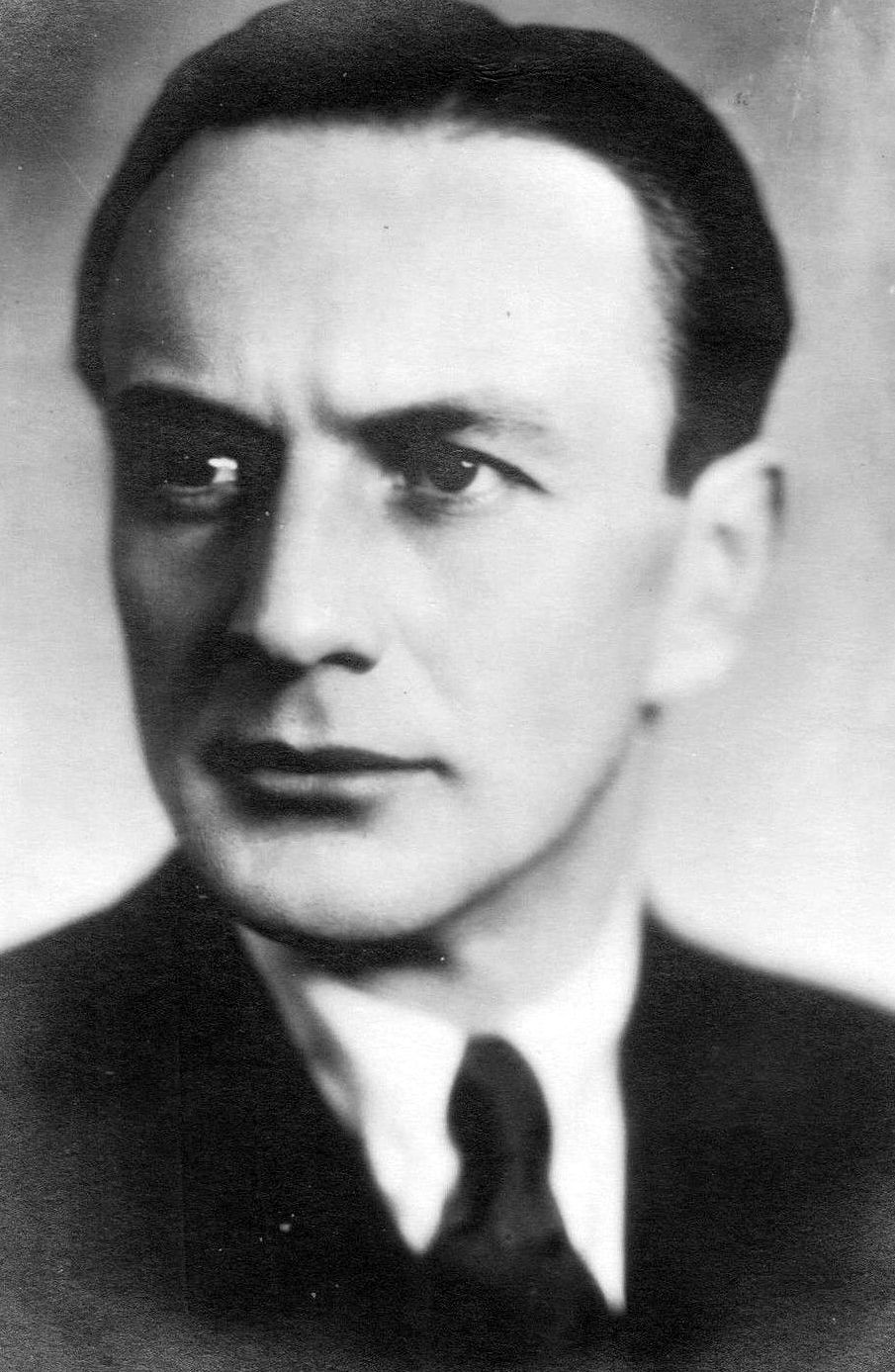
In summary, John Stuart can confidently be called one of Edinburgh’s most unique actors. Despite lacking formal training, he built a remarkably successful career. This fact serves as yet another testament that for true talent, there are no obstacles.
What also set John apart from his colleagues was the sheer longevity of his career. Just imagine, the actor was in the profession for almost 60 years! Many can only dream of such a feat, but for Stuart, it was commonplace, though undoubtedly a pleasant one.
Sources: