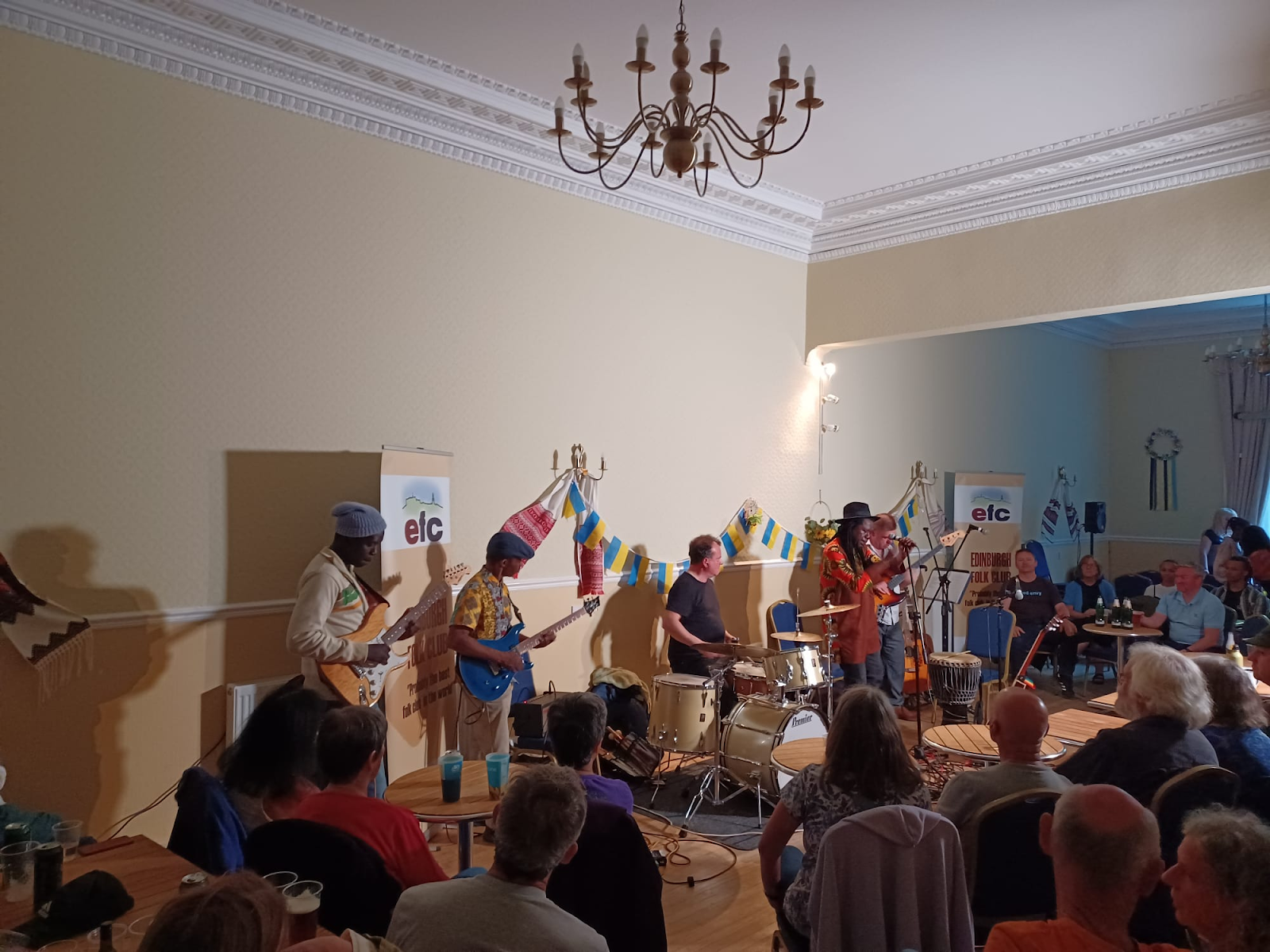
The Edinburgh Folk Club stands as the premier hub for live folk music in Scotland’s capital. Established in the 1970s amidst the wave of the British folk revival, it has endured as one of the country’s most respected and long-standing institutions. For decades, its stage has shaped musical tastes by seamlessly blending deep-rooted tradition with contemporary sounds. Read more on edinburgh-trend.
The Founding and Evolution of the Edinburgh Folk Club
In the early 1970s, a small but exceptionally vibrant circle of live folk enthusiasts emerged in Edinburgh. Key figures included Kenny Thomson, a songwriter and journalist for The Daily Record; Ian Green, a perceptive ballad singer linked to the Fuzz Folk scene and the future Greentrax label; and John Barrow, a student who was already organising charity folk concerts at Edinburgh University. Following the closure of the Buffs Folk Club, they recognised the city’s desperate need for a new venue. Consequently, in the autumn of 1973, the Edinburgh Folk Club opened its doors in the basement of the Chaplaincy Centre on George Square. Kenny took the chair and MC duties, John handled the secretarial work, and Ian managed the finances.
By the late 1970s, the original venue was no longer fit for purpose—it was cramped, poorly equipped, and situated too far from the city centre. The committee took the bold step of moving to the Carlton Hotel’s function suite. While this demanded more organisational effort, it offered superior comfort: decent seating, a bar at the back of the hall, and greater capacity, despite the recurring battle to silence the overly enthusiastic bar staff.
Interest waned towards the late 1980s, bringing the club to the brink of closure. Financial pressures soon mounted as venues—both old and new—attempted to hike rent to prohibitive levels. Salvation came with a move to The Café Royal, which proved to be a near-perfect home for the collective. It boasted exceptional natural acoustics—so clear that amplification was often unnecessary. Crucially, the bar was in an adjoining room, accessible only to the audience and local musicians sneaking a pint during intervals. It was here that the club hosted the debut Edinburgh performances of The Poozies and Fiddler’s Bid.
The late 1990s marked a turbulent era. Changes to the programming philosophy gradually alienated a portion of the regulars, while management missteps led to significant financial losses. The club was rescued by veterans who remembered its roots. They overhauled the financial model, refreshed the management principles, and restored the focus on the intimacy between performer and audience. Membership and attendance rebounded, securing the club’s financial future. Once again, ancient ballads sat comfortably alongside contemporary songwriting, with a stage open to both established stars and emerging voices.
In 2023, the Edinburgh Folk Club celebrated its 50th Anniversary with a massive series of concerts and special events spanning several months. The traditional Wednesday night gatherings, now held at the Ukrainian Community Centre, took on special significance. The 38-event programme reflected the sheer breadth of the modern folk scene. Backed by support from Creative Scotland, organisers emphasised cross-generational and cross-cultural dialogue, inviting performers of all ages, backgrounds, and experience levels.
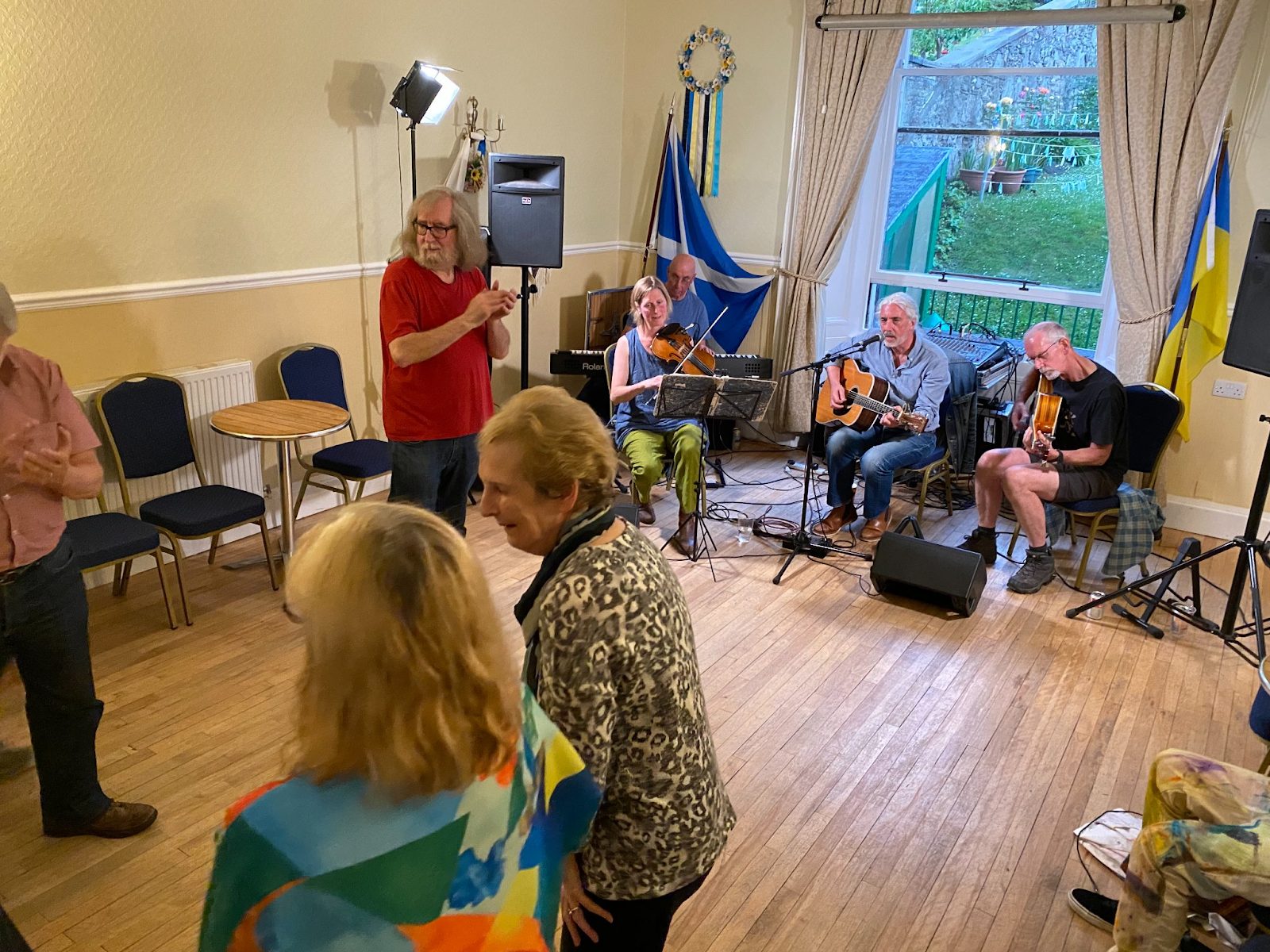
Recognition and Legacy
The Edinburgh Folk Club remains a heavyweight in the Scottish live music landscape. Its reputation has been built on consistent quality and a willingness to embrace diverse styles within the folk tradition. In recent years, the stage has hosted both household names and brilliant contemporary acts: from the virtuoso duo Jenn Butterworth and Laura-Beth Salter to the legendary Gene Kirkpatrick, and from the cult band North Sea Gas to internationally acclaimed duos such as Gordie Tentrees and Jaxon Haldane. Over the years, the club has hosted over 2,000 concerts for nearly 100,000 listeners, serving as a stable platform for career development and a milestone venue for countless musicians.