


The world of theatre beckons with its enchanting variety of roles, productions, scripts, and actors. All the most intriguing stories and legends related to creativity often have a direct connection to the stage, which is why tales of a theatre’s past are so popular with the public. Find out more on edinburgh-trend.
In Edinburgh, the arts play a leading role in the city’s development. It has long been the case that the people of Edinburgh have held creativity in high regard, while local authorities and patrons have done everything possible to ensure the city boasts a truly developed cultural scene.
Theatrical art holds a special place in Edinburgh. Many of its stages, where audiences can enjoy a diverse range of productions, are key city landmarks. They host tours, cultural meetings, and other fascinating events that allow visitors to connect with the arts and feel its grandeur.
The Edinburgh Playhouse has a reputation as one of the city’s most famous theatres. On a national scale, it is considered the largest in all of Scotland. Its history is shrouded in countless mysteries and legends. Let’s delve in together to separate the fact from the fiction.
The Beginning of the Story
The theatre’s history began on 12th August 1929. Interestingly, the venue was originally intended to be a cinema, and that was the sole purpose behind its creation.
The building was designed by John Fairweather, who was also directly involved in the construction of Green’s Playhouse cinema in Glasgow.
The Original Interior
Regarding the building’s initial appearance, it’s worth noting that the walls were ivory-toned. The roof was a pale green with flecks of gold, and the seat upholstery harmonised perfectly with the overall interior design.
The organ pipes were designed in a Venetian style, their elegance and intricacy simply magnificent.
The Rescue
Despite its popularity with the local population, the cinema was closed in the 1970s. Worse still, the building was threatened with demolition. However, the public rallied to save the building, creating a petition that gathered 15,000 signatures. As a result, the former cinema was saved from an otherwise certain fate.
Between 1978 and 1980, the building underwent its transformation, managed by The Lothian Region Architects Department. Thanks to their work, the building became a theatre. But in 1983, Edinburgh District Council sold the refurbished property, and the building passed into private ownership.
The theatre’s initial private owners included Norman Springfield, the Apollo Leisure Group, SFX, and Clear Channel Entertainment. However, 2009 marked another sale, and the building became the property of the Ambassador Theatre Group (ATG).
Versatility
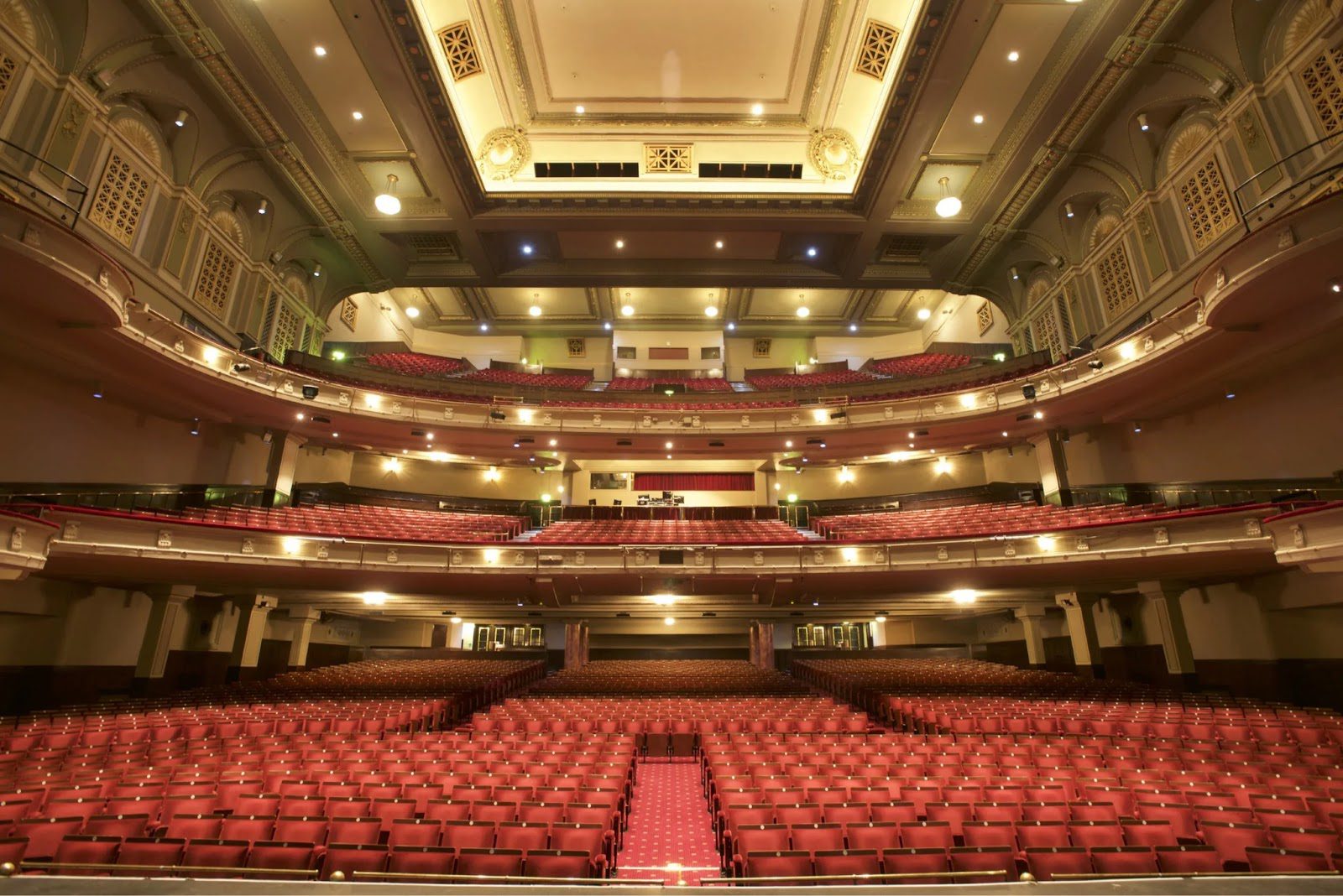
The Edinburgh Playhouse is distinguished by its versatile repertoire. In addition to classic plays, the theatre often provides its stage for young people taking their first steps in theatre. The Playhouse also hosts youth musical projects featuring performers aged 10 to 21. When August arrives (a month famously known as ‘festival season’ in Edinburgh), the Playhouse stage becomes a key venue for the Edinburgh International Festival and the equally famous Edinburgh Festival Fringe.
A Mysterious Phenomenon
As mentioned earlier, theatres are often associated with countless legends and stories. These, in turn, become the basis for numerous tours, as well as scripts for books and films. And visitors delight in listening to such spookily fascinating tales.
In this respect, the Edinburgh Playhouse is no exception. For a long time, it has been said in Edinburgh that the theatre building is home to a ghost named Albert.
According to locals, the ghost appears as a man in a grey coat, and each appearance is accompanied by a feeling of intense cold, as if the very air chills upon meeting this visitor from the other side.
Various accounts suggest that this man worked at the theatre during his life, but his exact connection to the Playhouse cannot be definitively established. Some stories claim he was a stagehand who died in an accident, while others say he was a night watchman who took his own life.
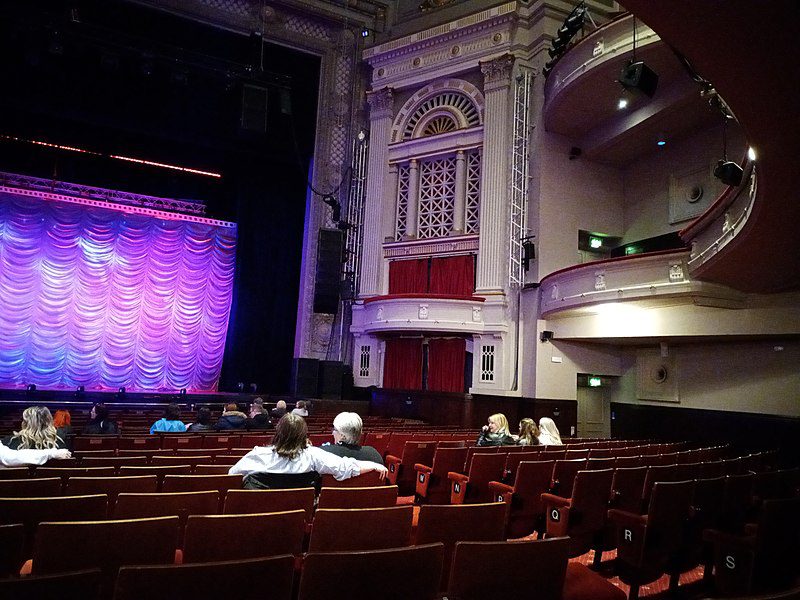
Thus, the Edinburgh Playhouse is one of the key landmarks of theatrical Edinburgh. The venue boasts a long history and a very rich repertoire, a factor that in itself attracts attention and sparks incredible interest in the Playhouse’s past and its current activities.
Separately, it’s important to note that its active collaboration with creative youth prevents the theatre from becoming ‘stuck in its ways’. It is perhaps this that allows the Edinburgh Playhouse to constantly evolve and reach new heights. And this, as we know, is one of the most crucial criteria in the creative sphere. For it is the striving for the new, the ability to change perspectives, and the successful transformation of the old to fit modern standards that represent the very essence of true theatrical art.