


Scotland is distinguished by its unique approach to art. It seems there is a special regard for anything that holds deep meaning and, of course, possesses cultural value. To see this, one need only attend a single local festival dedicated to the creative arts. Even if it primarily features modern culture without a mention of the classics, you will undoubtedly notice how subtly and precisely every detail is observed, and how meticulously the programme has been curated. More at edinburgh-trend.
When it comes to promoting creativity, Edinburgh is undeniably Scotland’s leader. Its status as the capital certainly plays a part, but the city itself is also notable for its aspiration towards the beautiful. The very fact that so many talented figures were born there goes a long way to explain Edinburgh’s cultural charm.
Edinburgh as a Space for Promoting Drama
The theatrical sphere is highly developed in the Scottish capital. Classical works blend wonderfully with modern productions in the repertoires of many theatres. Furthermore, there is a concerted effort to pay attention to every genre and style. Whether it’s a musical or a straight dramatic play, nothing stands still; everything receives a new, fresher interpretation.
However, as is well known, every production must first be created. And that is impossible without the direct involvement of an author – in other words, a playwright.
Fortunately, Edinburgh is rich in such people. Thanks to them, unique works have appeared and continue to appear.
One of these figures is Captain Robert Marshall. He was a renowned Scottish playwright. What is remarkable is that he wrote his plays while on active military service.
Early Years and a Sudden Decision
Robert was born in 1863, the son of an Edinburgh Justice of the Peace. It was his father who sent him to school in St Andrews, and after that, to the University of Edinburgh. There, the young man studied Latin, Greek, and English literature.
However, a tragedy occurred during his studies – Robert’s father passed away. This event cut the young man’s education short. For a time, he had to assist and study under his uncle, who was a lawyer.
But Marshall quickly grew bored of jurisprudence and decided to enlist in The 71st Highland Light Infantry.
First Work
When his three years of service were behind him, Robert was commissioned as a lieutenant in The Duke of Wellington’s Regiment (West Riding).
It was during guard duty on Agar’s Island that he began to enjoy spending his free time writing plays. His first work was The Subaltern. It was subsequently staged by The Amateur Dramatic Club of Bermuda.
Next Creative Achievement
Later, when the Regiment moved to Canada, Robert wrote a three-act play titled Strategy. It was later staged in Halifax by a first-class New York company. Marshall’s next work was the burlesque Guy Fawkes.
The Unstaged Play
As Robert was an integral part of the Regiment, he had to follow it to new locations and continue his service. But his passion for art did not wane. Regardless of the change in location, the man continued to successfully create new works.
So, when his military formation moved to Barbados, he wrote an interesting play dedicated to the Jacobite rising of 1745-1746. The work was simply titled 1746. But, unfortunately, it was never staged.
Censorship as an Obstacle to Production
1893 was marked by Robert’s deployment to The Cape Colony, serving as an adjutant to Sir William Gordon Cameron. Marshall remained in this post for over a year.
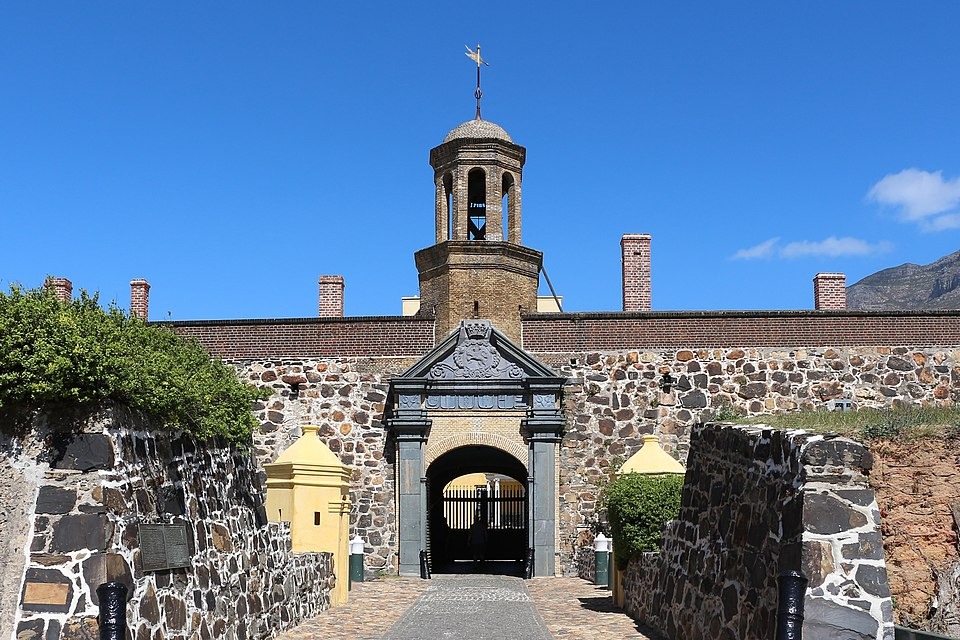
During his time at The Castle of Good Hope, he wrote the play The Great Day. Sir George Alexander was set to produce it, but for some reason, the work did not pass the censor and was therefore never shown on stage.
Choosing Dramaturgy
The next stage of Marshall’s professional military career was his deployment to the Colony of Natal. There, he took up the post of adjutant to Sir Walter Hely-Hutchinson.
But when his first serious play, His Excellency the Governor, achieved great success, Robert decided to resign. He dedicated himself fully to playwriting.
Gaining Fame
Two more great successes awaited him – The Second in Command and The Duke of Killiecrankie. This last play helped Marshall save one of London’s most famous theatre managers from certain financial ruin. But that is another story entirely.
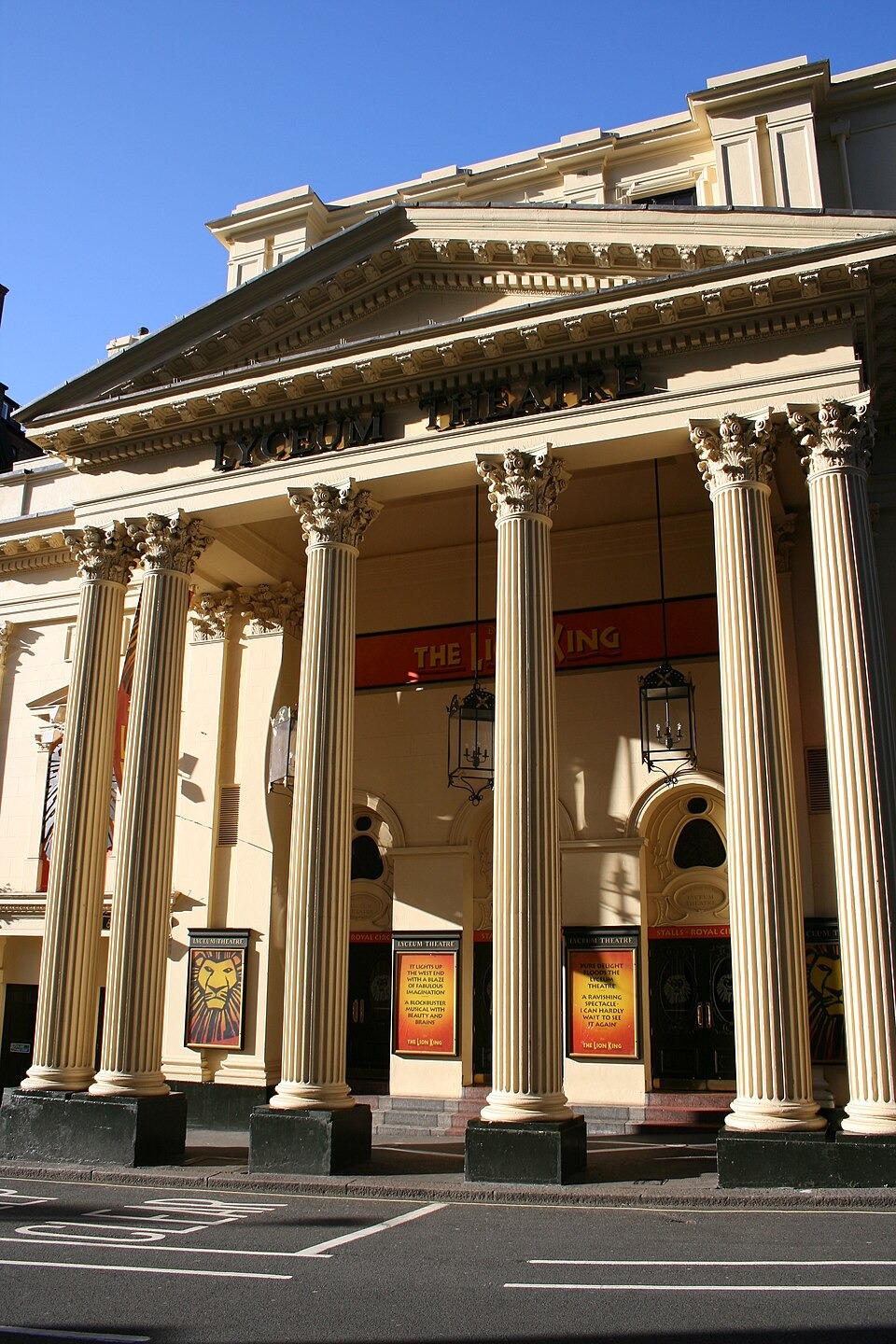
As for Robert Marshall himself, this must be said: after resigning, he was able to fulfil his dream of becoming a popular playwright. His works brought him fame and were, of course, highly praised by critics.
He lived a very short life – only 47 years. Yet, in that time, he managed to combine two very different things: creativity and military service. In the end, he chose the one to which his heart truly belonged.