


Edinburgh’s theatre scene is a vibrant tapestry, showcasing an incredible array of diverse productions from hugely talented directors. It’s simply impossible not to be captivated. And of course, the actors are indispensable; even the most intriguing project wouldn’t come to life without them. Their gift for transformation and emotional depth allows them to make audiences laugh, weep, and empathise. Delve deeper into Edinburgh’s cultural heartbeat on edinburgh-trend.
Theatres as Living Entities
Beyond the flawless performances and captivating plays in the Scottish capital, it’s worth noting the theatres themselves. Almost all of them boast fascinating histories that make each building truly unique. This rich past allows us to see each ‘temple of Thespis’ as a distinct organism, complete with its own traditions, quirks, and structure.
Leith Theatre is no exception. Its past is brimming with events and facts that ultimately shaped it into the magnificent venue it is today – a cherished cornerstone of Edinburgh’s multifaceted cultural landscape.
A Unique Origin Story
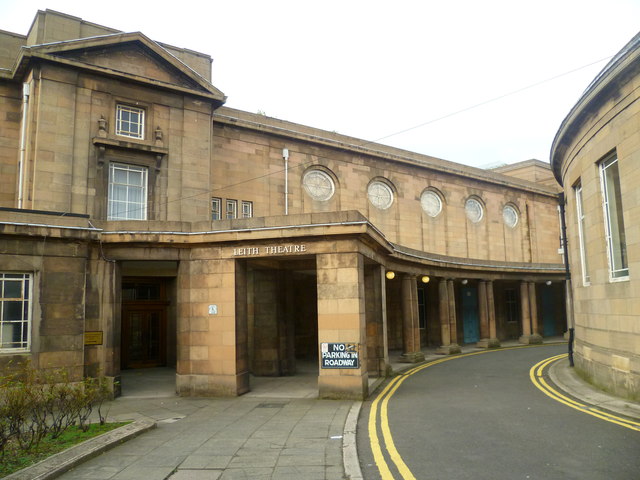
The very genesis of Leith Theatre was unusual, a rarity in itself. The theatre was essentially a gift from the residents of Edinburgh to the people of Leith, following the merger of the two towns in 1920.
Construction began in 1929, with Bradshaw Gass & Hope responsible for the design, and the grand opening took place in 1932.
The Scars of War
However, the newly established theatre’s peaceful existence was short-lived. Soon after its completion, the Second World War broke out, and tragically, the building suffered significant damage. As a result, Leith Theatre remained closed until 1961.
Reopening Its Doors
After such a lengthy hiatus, the theatre finally reopened its doors in 1961, when it was used as a venue for The Edinburgh International Festival. By 1962, Leith Theatre had firmly established itself as the festival’s second musical stage.
A Golden Era
The period from 1962 to the 1970s was a truly significant time for the theatre, marked by performances from musical geniuses. This era can confidently be called a golden age in Leith Theatre’s history, as its walls resonated with the sounds of true virtuosos and the incredible voices of top performers.
Notable ensembles included The Amadeus Quartet and The English Chamber Orchestra, alongside legendary singers such as Peter Pears, Galina Vishnevskaya, Jessye Norman, and Hermann Prey.
Concerts by Famous Artists
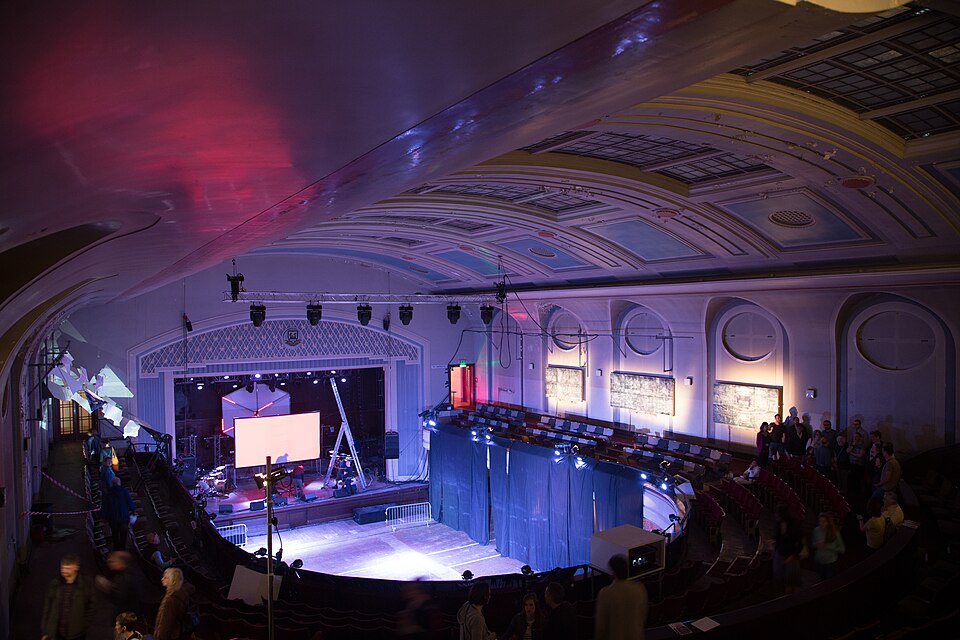
However, the theatre’s stage wasn’t solely dedicated to classical music. Concerts by renowned pop artists also became sell-out events. Leith Theatre would be absolutely packed, with not an inch to spare, as audiences eagerly awaited their favourite artists’ shows.
This electric atmosphere was particularly palpable when legends like AC/DC, Mott the Hoople, and Thin Lizzy graced the theatre.
Sudden Closure
In 1988, Leith Theatre ceased operations. This turn of events came as a surprise to many, as the theatre had been a successful venue, hosting top-tier artists, with people happily flocking to buy tickets for concerts and performances.
Despite its success, the closure still happened.
The year 2004 saw the establishment of The Leith Theatre Trust, an organisation founded to facilitate the theatre’s reconstruction and, ultimately, its reopening.
A Festival as a Step Towards Revival
Significant and valuable venues like Leith Theatre are rarely forgotten. Even if such buildings lie dormant for years, they remain in collective memory. Sooner or later, their spaces are bound to be chosen for at least one event.
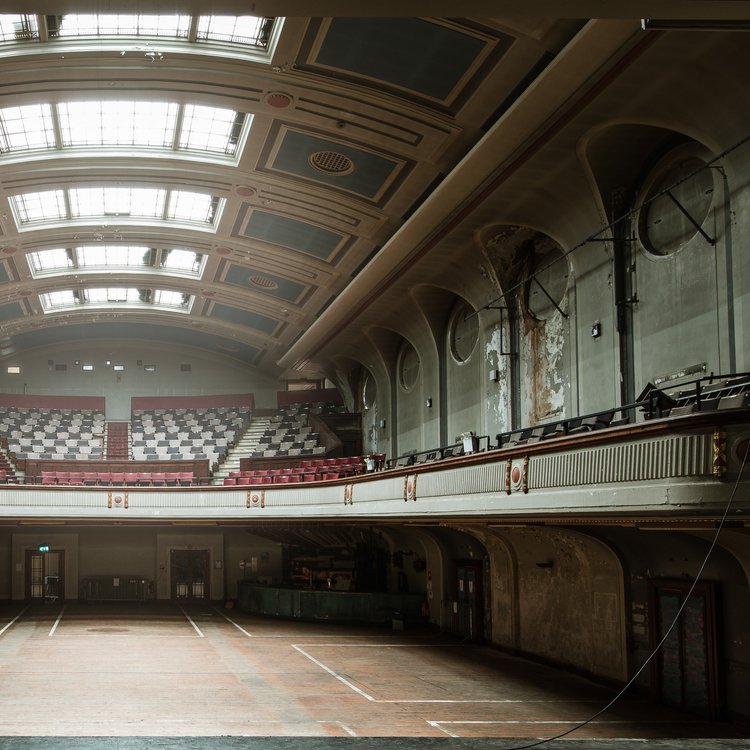
This was exactly the case with Leith Theatre. In May 2017, for the first time in 25 years, Leith Theatre became the host venue for The Hidden Door arts festival. This artistic collective is known for unearthing unique, long-abandoned building spaces and transforming them into event venues. It was no surprise, then, that the festival returned to Leith Theatre in 2018.
Edinburgh, therefore, boasts an incredible cultural past. It is so multifaceted and layered that exploring this aspect requires considerable time and, crucially, great attention to detail. In this field, it’s vital not to miss even the smallest elements, as they form the framework upon which grander events are built.
Regarding Leith Theatre, the performances of famous artists stand out in its history. While such events might seem minor compared to the theatre’s entire past, this isn’t true. Each event proved the venue’s significance, leading to its increasing selection for major festivals, concerts, and gatherings. Surely, this is the best testament to the theatre’s greatness and demonstrates the high standards it continues to uphold, especially in the competitive and demanding world of art.