


Scotland bursts with incredible energy and diversity. It feels like a vibrant kaleidoscope, truly amazing and full of colour. Of course, this wouldn’t be possible without its cities, each playing a vital and unique role in shaping the overall picture. This creates a truly unique experience, making it fascinating to travel, explore, and get to know the traditions, customs, and culture of these places up close. After all, they have so much to offer and, naturally, plenty to pique your interest. Discover more on edinburgh-trend.
Edinburgh can confidently be called Scotland’s most vibrant city, and not just because it’s the capital. The very atmosphere there allows you to feel something truly special, thanks to the myriad of details that make up this remarkable place.
Theatres: Gateways to a World of Wonder
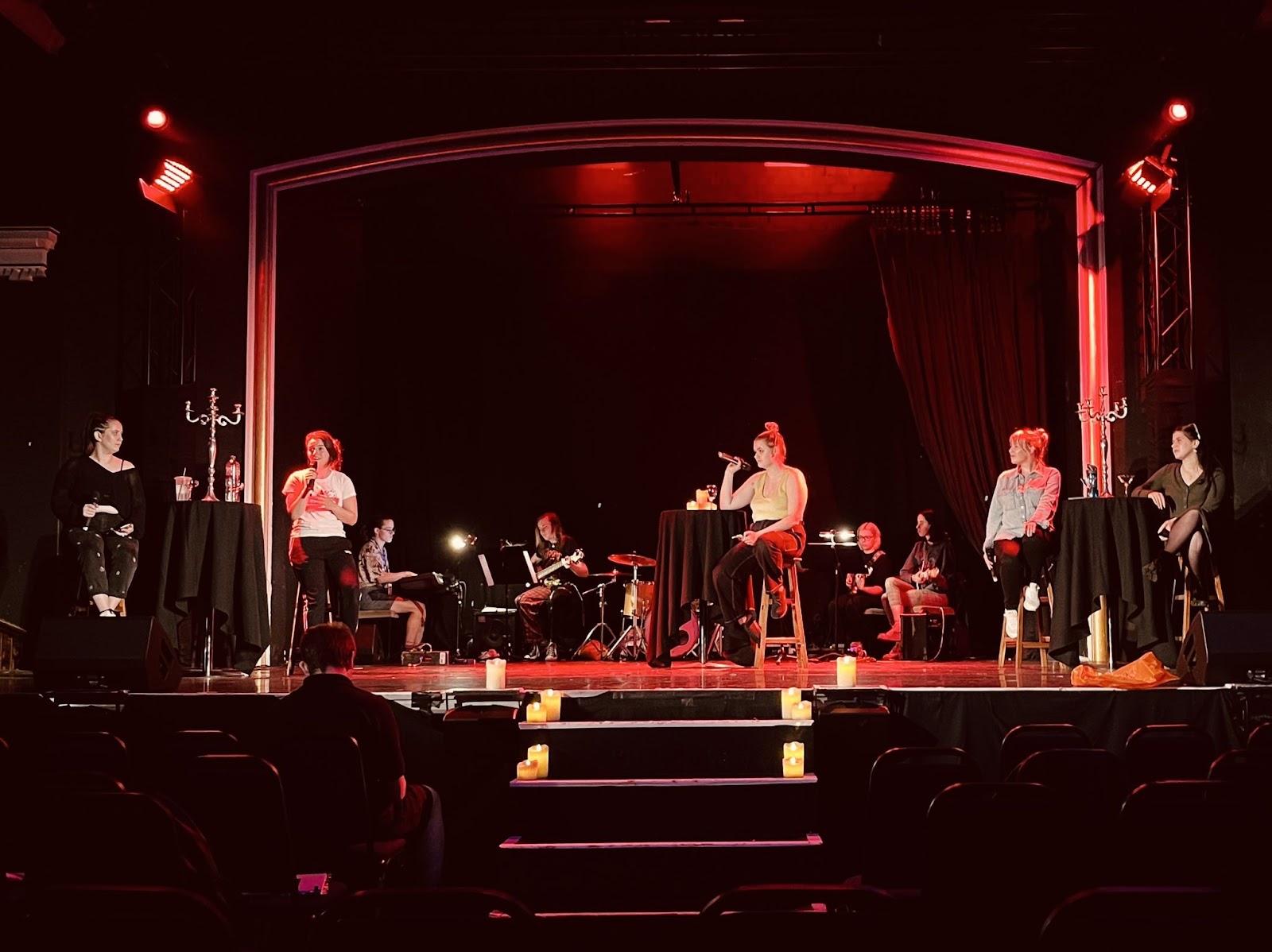
When considering the essential elements that define Edinburgh, its culture stands out. Its influence is palpable in everything, from the rich tapestry of local folklore to precious museum artefacts. However, it’s the magnificent buildings that truly serve as gateways to a world of beauty. Their walls have witnessed and heard things that are hard to describe – incredible works of art that evoked a kaleidoscope of emotions. They made people laugh and cry, brought back touching memories, and instilled hope for a brighter future.
You might have guessed we’re talking about theatres. Edinburgh boasts not just any old theatres, but temples of the Muses with astonishing histories of their own.
The Rose Theatre is a prime example.
A New Chapter for a Former Chapel
This building once served as a Baptist chapel. Yet, by a twist of fate, it later began hosting cultural events. Naturally, when the venue transitioned into an entertainment space, a deconsecration process took place. In essence, the former chapel was stripped of its religious sanctity and blessing, ceasing to be used for spiritual purposes.
The Building’s Genesis
Beyond its former spiritual role, The Rose Theatre also boasts a unique and equally captivating history, making it truly special and adding to its charm.
The building was designed by architects J. A. Arnott and J. Inch Morrison, opening its doors way back in 1912. As mentioned, at that time it was a Baptist chapel, capable of accommodating 1,000 parishioners.
History Comes Full Circle
One could say it was a recreation of a previous structure. The building stands on the site where an 18th-century chapel with a pediment once stood. Its original construction was funded and built by an old Baptist community, founded in 1808 by theologian Christopher Anderson.
A Community Relocates
The Baptists occupied the building for many years. It wasn’t until 2016 that the congregation decided to move to a new location, which later became the Charlotte Baptist Chapel. This move was prompted by the chapel no longer meeting the needs of its parishioners, eventually leading to the building falling into disuse.
The Birth of a New Theatre
This continued until the building was redeveloped into a theatre. The Rose Theatre officially opened in 2017 and was immediately plunged into Edinburgh’s bustling cultural scene, hosting a series of theatrical productions as part of The Edinburgh Festival Fringe.
From 2018 onwards, the ground floor was dedicated to The Rose Theatre Café.
A Venue of Many Parts
As of early 2024, after all its renovations and reconstructions, the building boasts four performance spaces, including the main amphitheatre hall. This two-storey venue can seat 300 people.
Beyond the cafe, The Rose Theatre also features a cabaret bar and attic spaces. These upper rooms have often been used for specialised, intimate events, accommodating just 50 people.
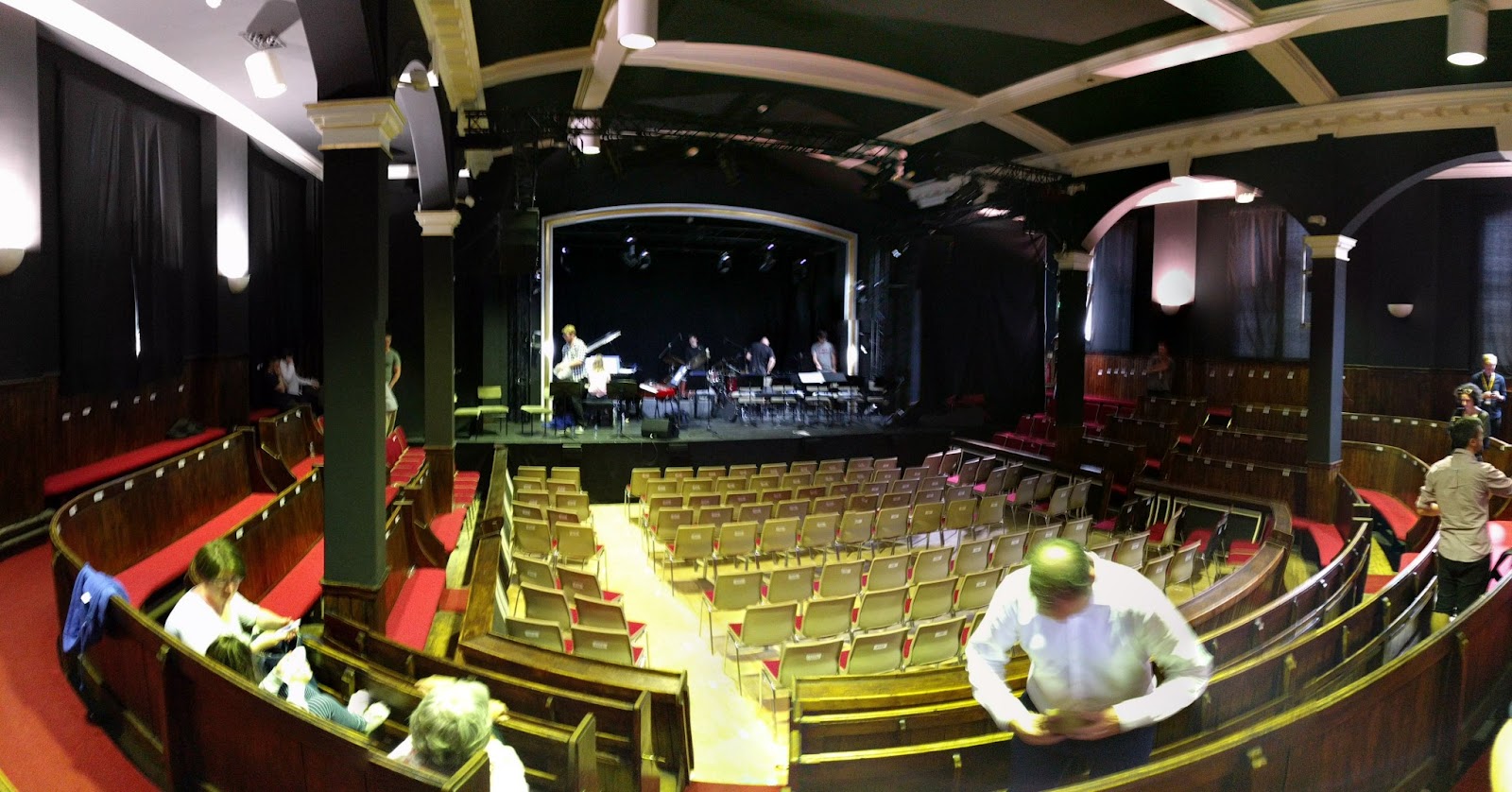
Thus, The Rose Theatre stands as one of Edinburgh’s most unique cultural venues. Its very history underpins its individuality; after all, not every theatre can boast such a past. Starting life as a chapel, then dramatically changing direction and enduring, is truly deserving of respect.
As mentioned, once the Baptists left, the building effectively became derelict. It could easily have been demolished, a fate that, sadly, has befallen many historic structures. But not in this case.
With the advent of The Rose Theatre, the building gained a new lease of life. Crucially, it retained its historical value while seamlessly integrating into the modern arts scene. Remarkable, wouldn’t you agree?
Therefore, this theatre can confidently be considered special, its history speaking volumes more than any publication or expert opinion ever could.