


Edinburgh’s theatrical life is impressively diverse. Proof of this can be found in the unique past of its many theatres. The origins of these institutions vary greatly, and sometimes a building that eventually became dedicated to the arts started life with a completely different purpose. Find out more on edinburgh-trend.
The Bedlam Theatre is no exception, and its history is a very interesting one.
How It All Began
The Bedlam Theatre is a real gem in Edinburgh’s theatrical scene, and its uniqueness is rooted in its very history. The building, constructed in 1848, was originally intended for The New North Free Church. Interestingly, the church was notable for its active mission and ministry to students.
In 1941, the church closed, and the building was handed over to the University of Edinburgh, which used it as a chaplaincy centre.
Later, the building was turned into a university shop. Then, in 1980, the premises were taken over by the Edinburgh University Theatre Company (EUTC). This event marked the beginning of the Bedlam Theatre’s story.
The building holds the status of the oldest student-run theatre in the United Kingdom. Despite having a capacity of only 90 spectators, the theatre stages an average of 40 productions each year. It is particularly active during the Edinburgh Festival Fringe, when up to eight shows can be presented on its stage in a single day.
Changes
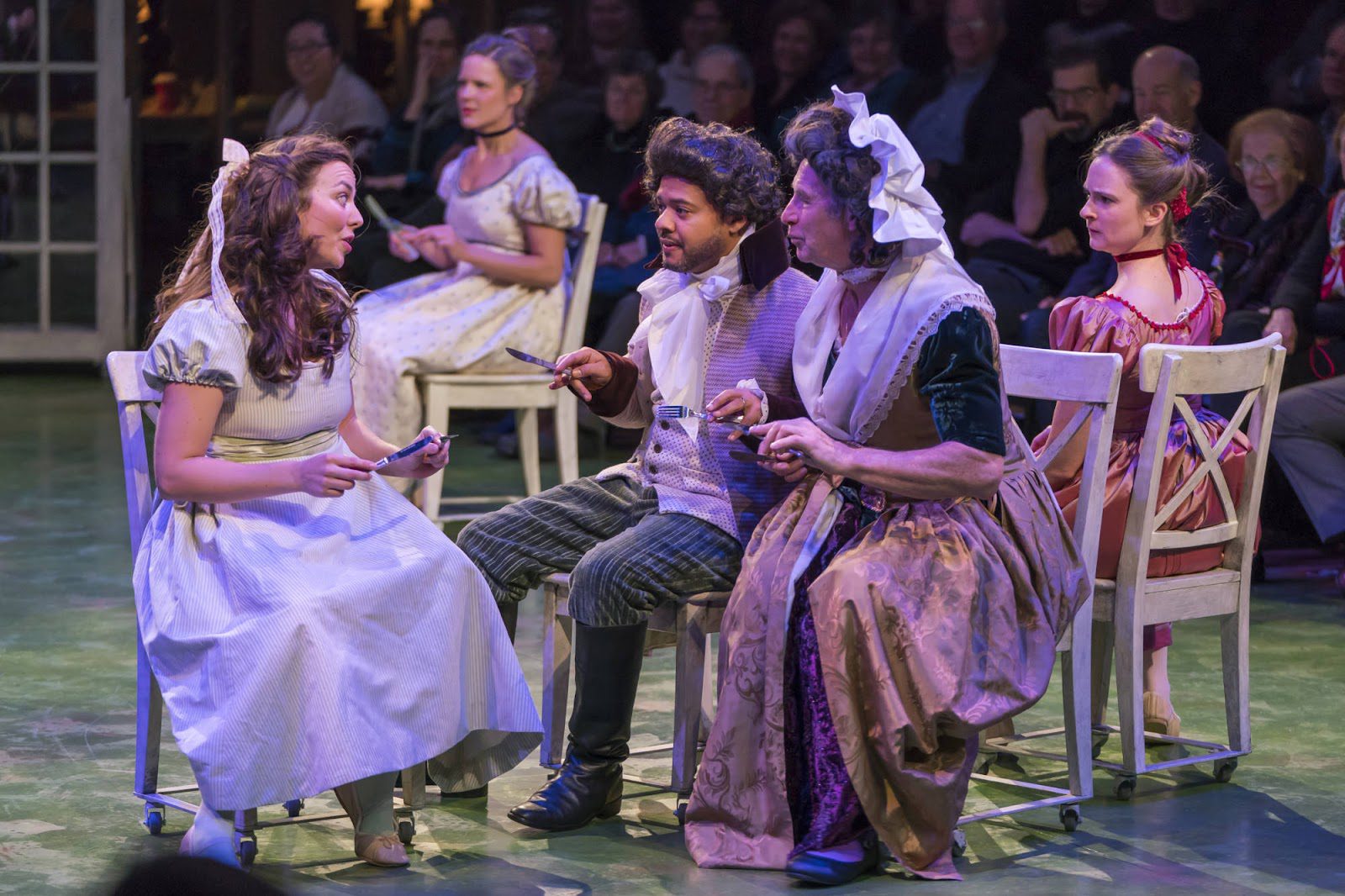
It’s important to note that the university initially considered the building to be only a temporary home for the EUTC. Therefore, there was little concern for allocating or finding funds for a full theatrical conversion, and the budget was very limited.
However, this factor did not prevent some changes from being made to the building. The first thing that was done was the installation of lighting.
Over time, the theatre developed a practice of making significant reconfigurations for large-scale productions, such as for “Pericles” in 1990 and “Hamlet” in 1998.
Saved from Demolition
June 2001 was marked by the sudden news that there were plans to demolish the theatre building. For this reason, the university asked the EUTC to vacate the premises in the near future.
However, the EUTC was staunchly opposed to this course of events. As it happened, the following month the building was granted Category B listed status as a historic building. This fact successfully prevented its demolition.
In 2003, an alumni association of the EUTC, “The Friends of Bedlam,” was created with the primary goal of supporting the theatre.
The association raised £500,000 to carry out a comprehensive internal and external renovation of the building. The work began in 2012. During the project, the exterior stonework was restored, and railings were installed to replace the originals, which had been removed for scrap metal during the Second World War.
An Important Achievement
It is fair to say that the current state of the Bedlam Theatre is in large part thanks to The Friends of Bedlam association. The organisation has made and continues to make every effort to ensure the theatre continues its activities and existence.
Another significant achievement for the Bedlam Theatre is that since 2012, it has been part of the Creative Carbon Scotland Green Arts Initiative. Through this, the theatre actively seeks to use its productions to raise public awareness of environmental issues. In 2015, demonstrating its commitment to the environment, it even introduced e-tickets instead of paper ones. As is well known, one of the most important aspects of the eco-movement is the conservation of trees and the minimisation of paper use. The Bedlam Theatre decided to embrace this by introducing a new form of ticketing for its own shows, thereby taking a new step in its “green” activities.
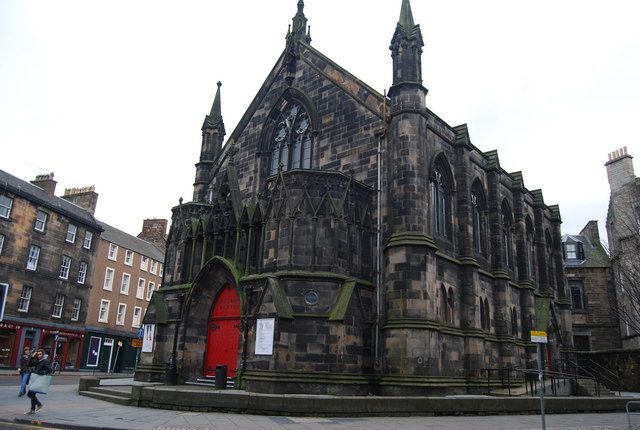
Thus, the Bedlam Theatre is a true example of how an arts institution can often have a rather unusual past, which only makes its history more interesting.
However, when speaking of the Bedlam Theatre, it must be said that it has been very fortunate in having benefactors who were deeply committed to its fate. It is largely to these people that the theatre owes its existence, status, and condition.
Of course, its active support for the environment has played a distinct role in the theatre’s popularity. Given that Edinburgh is a city where environmental protection is a key aspect of civic policy, this stance from the Bedlam Theatre is highly valued. This is why the institution is held in such high regard, as Edinburgh is rightly considered a city where preserving the environment is a core principle for the entire community.
Despite its intimate setting (the auditorium seats only 90), the theatre enjoys enormous popularity, and people eagerly attend the performances staged there. For this reason, the Bedlam Theatre is considered a leading small-scale theatre venue in Edinburgh – a status that, given the immense competition in the arts, must be truly earned.